Comprehensive Guide to Senior Transport Solutions
Tracie Slaoui • February 3, 2026
Introduction: Reimagining Mobility for an Aging America
Introduction: Reimagining Mobility for an Aging America
Imagine a world where turning 70 no longer heralds the end of freedom in movement, where transportation adapts to your changing needs rather than forcing you to adapt. This vision is becoming essential as a growing number of older adults face physical, geographic, and financial barriers to getting around. A striking example is that roughly 600,000 Americans stop driving each year, often without viable fallback options; this shift correlates with a 310 % rise in depressive symptoms among those affected, underscoring how critical mobility is to both mental wellness and daily routines Transportation Barriers Impact Senior Health.
In many U.S. communities—especially rural and suburban areas—public transit is patchy at best, further stranding older adults. Nearly 25 % of seniors live in rural locales, where access to essential services can mean traveling 10 miles or more to the nearest clinic or grocery store. Without dependable transport, rural seniors are 50 % more likely to miss medical appointments, a gap with serious consequences for chronic illness management Transportation Barriers Impact Senior Health.
However, the tide is turning. Innovative solutions are emerging—from volunteer driver programs to app-based ride coordination—offering seniors a return to independence. For instance, volunteer networks not only deliver rides but companionship, helping preserve social connections and extending the time older adults can remain safely at home SeniorSite resource.
As this article unfolds, you’ll discover how targeted strategies—from reduced-fare public transit to app-enhanced ride-matching systems—are reshaping what mobility means for older adults. We’ll spotlight programs that work, explore real-world outcomes, and offer practical guidance for communities, caregivers, and service providers invested in restoring freedom through smart, compassionate design. After all, effective senior transport isn’t just about logistics; it’s about dignity, health, and belonging.
Challenges in Senior Transport Accessibility
Ensuring effective senior transport involves addressing a range of accessibility challenges specific to older adults. One of the primary hurdles is the physical accessibility of vehicles and infrastructure. Many public transportation systems are not fully equipped to accommodate seniors with mobility issues. For instance, low-floor buses and wheelchair-friendly options are essential, but not universally available. According to the Federal Transit Administration, only about 35% of public transit buses across the United States meet these accessibility standards.
Technological Barriers
Another significant challenge is the technological barrier. As ride-sharing and digital ride-matching services become prevalent, seniors who are not tech-savvy may find it difficult to use smartphone apps required for booking rides. A study by Pew Research Center highlights that only about 53% of adults aged 65 and older own smartphones, creating a gap in service accessibility for many seniors.
Cost Constraints
The cost of transportation can also be prohibitive. Many seniors live on fixed incomes and may find the fees associated with transportation services unsustainable. A report from the AARP shows that transportation costs can consume a significant portion of a senior's budget, especially in rural areas where public transportation options are limited, requiring reliance on private rideshare programs.
Geographic Limitations
Geographic location remains a substantial issue, especially for seniors in rural and suburban areas. In these regions, the lack of public transport infrastructure can leave older adults isolated. Programs like Senior Transport Services are designed to bridge this gap, yet coverage is still sporadic and often underfunded.
Addressing these challenges requires a multi-faceted approach involving infrastructure improvements, technology training programs oriented toward senior users, subsidized pricing models, and expanded service areas. By understanding and tackling these issues head-on, communities can create more inclusive and effective senior transport solutions that enhance freedom and quality of life for older adults.
A cozy outdoor scene where an elderly person with a walking cane steps into a self-driving shuttle waiting at a suburban street corner, surrounded by autumn leaves and a clear blue sky, symbolizing accessible and adaptive transportation for seniors.
Technological Advancements in Senior Transport
As the world of technology continues to evolve, it has brought remarkable advancements in senior transport, fostering greater independence and accessibility for older adults. One notable development is the implementation of self-driving shuttles, which provide a convenient and independent mode of travel for seniors, reducing reliance on traditional transportation methods.
Self-Driving Vehicles
Self-driving vehicles are at the forefront of transforming transportation for seniors. These vehicles are designed to navigate roads autonomously, offering a safe and efficient way for older adults to travel without needing to drive themselves. For example, cities like Chandler, Arizona have piloted self-driving taxi services through companies such as Waymo, which have been reported to enhance mobility for elderly residents by providing round-the-clock transport options [The New York Times].
Ride-Sharing Services
Ride-sharing platforms, such as Uber and Lyft, have also tailored their services to accommodate the needs of older adults. These companies have introduced features geared toward seniors, like simplified app interfaces and the ability to book rides via phone for those less comfortable with smartphones. According to a report by AARP, such adaptations have resulted in increased usage among seniors, making it easier for them to attend medical appointments, social events, and other activities [AARP].
Benefits and Case Studies
The impact of these technological innovations on the quality of life for seniors is profound. In Gainesville, Florida, for example, a pilot program deploying autonomous shuttles in retirement communities has been credited with improving residents' independence and social interaction. By providing a reliable means of transport, these shuttle services allow seniors to engage more fully with their communities and reduce feelings of isolation.
Moreover, many seniors report feeling safer using self-driving technologies, particularly when compared to driving themselves in busy urban areas. The reduction in traffic accidents additionally underscores the potential of autonomous vehicles to enhance senior transport safety, offering yet another layer of social benefit.
Through continued investment in these technologies, the future of senior transport looks promising, making it possible for elderly populations to enjoy greater freedom and access like never before. The journey towards fully integrated autonomous transport is well underway, and its benefits for senior citizens cannot be overstated.
Accessibility and Inclusivity in Senior Transport
The concept of inclusivity within senior transport is rapidly evolving, aiming to ensure equal access for all elderly individuals. Various programs and initiatives have been launched to accommodate the specific needs of this demographic, focusing on both physical accessibility and comprehensive service delivery. The incorporation of features like low-floor buses, wider doorways, and adjustable seating has proven instrumental in assisting seniors with mobility challenges. Such advancements make everyday commuting more comfortable, allowing elder citizens to maintain their independence.
Moreover, the integration of digital tools has significantly enhanced the inclusivity aspect. Applications designed to offer real-time transit updates, navigation tailored to seniors, and ride-booking functionalities are reducing barriers to access. According to a report by AARP, numerous pilot programs across the United States have successfully implemented these technologies, resulting in heightened satisfaction and increased usage among senior passengers.
Case Studies: Successful Senior Transport Models
Examining real-world applications offers valuable insights into what works in senior transport. For instance, the city of Portland, Oregon, has pioneered a model that others strive to emulate. Their specialized transit services cater specifically to seniors, offering door-to-door service that accommodates unique mobility and health needs. This initiative not only facilitates easy transportation but also fosters a sense of community among users, as they often travel with familiar faces.
Similarly, the silver services program in London stands out as another exemplary model. This program leverages technology to provide personalized travel plans, considering individual health conditions and preferences. As highlighted in a report from the World Economic Forum, these types of inclusive practices are essential in the development of age-friendly cities, promoting social integration and well-being.
Looking Forward: Future Enhancements in Senior Transport
The advancement of senior transport requires continuous innovation and investment. Emerging technologies like artificial intelligence and machine learning have the potential to revolutionize this sector by predicting travel patterns and customizing services accordingly. As cities rethink their infrastructure to be more age-inclusive, partnerships with tech companies to harness these technologies become increasingly pivotal.
Furthermore, engaging with senior communities to understand their needs and preferences is critical in shaping future transport solutions. Community-driven efforts can guide the development of services that resonate with users, ultimately ensuring that senior transport is both effective and empowering. As we look to the future, the goal remains to create a seamless, inclusive, and respectful transit environment that honors the mobility rights of all seniors.
A futuristic urban setting where a sleek, self-driving shuttle with large windows is parked beside a bustling city park, surrounded by lush greenery and modern skyscrapers, emphasizing senior-friendly transport innovation.
Conclusion: Taking Action for Better Senior Transport
The journey towards enhancing senior transport is ongoing, but there are tangible steps you can take to make a difference. As communities evolve and technology advances, the focus remains on creating accessible, affordable, and sustainable transportation solutions for seniors.
Key Takeaways
First and foremost, the importance of accessibility cannot be overstated. Modern transportation solutions must accommodate mobility challenges faced by seniors. This includes features like low-floor buses, ramps, and user-friendly scheduling apps. Equally essential is the affordability of these services, which can be addressed through community-funded programs and subsidies.
Actionable Insights
Communities and policymakers have a pivotal role in advancing senior transport initiatives. Advocating for policy changes that prioritize senior-friendly infrastructure in city planning is crucial. Incorporating senior transit needs into urban development ensures that as cities grow, older adults remain integrated into the community fabric. Another actionable step is fostering public-private partnerships to leverage technological innovations. For example, companies like Lyft and Uber have rolled out senior-specific services, providing a model for how ride-sharing can be adapted for elder-friendly commutes Forbes Article.
On an individual level, you can contribute by staying informed and participating in local forums that discuss senior transport issues. Volunteering with organizations that focus on offering transport services to seniors can also make a significant difference. Such engagement can elevate the discourse and drive the implementation of meaningful change.
Call to Action
It is imperative for everyone to recognize the value of senior transport as a societal necessity, not a luxury. We encourage you to join the conversation and advocate for better services in your area. Reach out to local officials, encourage the adoption of age-friendly policies, and support businesses that innovate in this space. By taking these steps, you contribute to a future where all seniors can enjoy the freedom and comfort of accessible transportation. For further insights and developments, consider exploring resources like the AARP, which provides extensive information and support on aging and community initiatives.
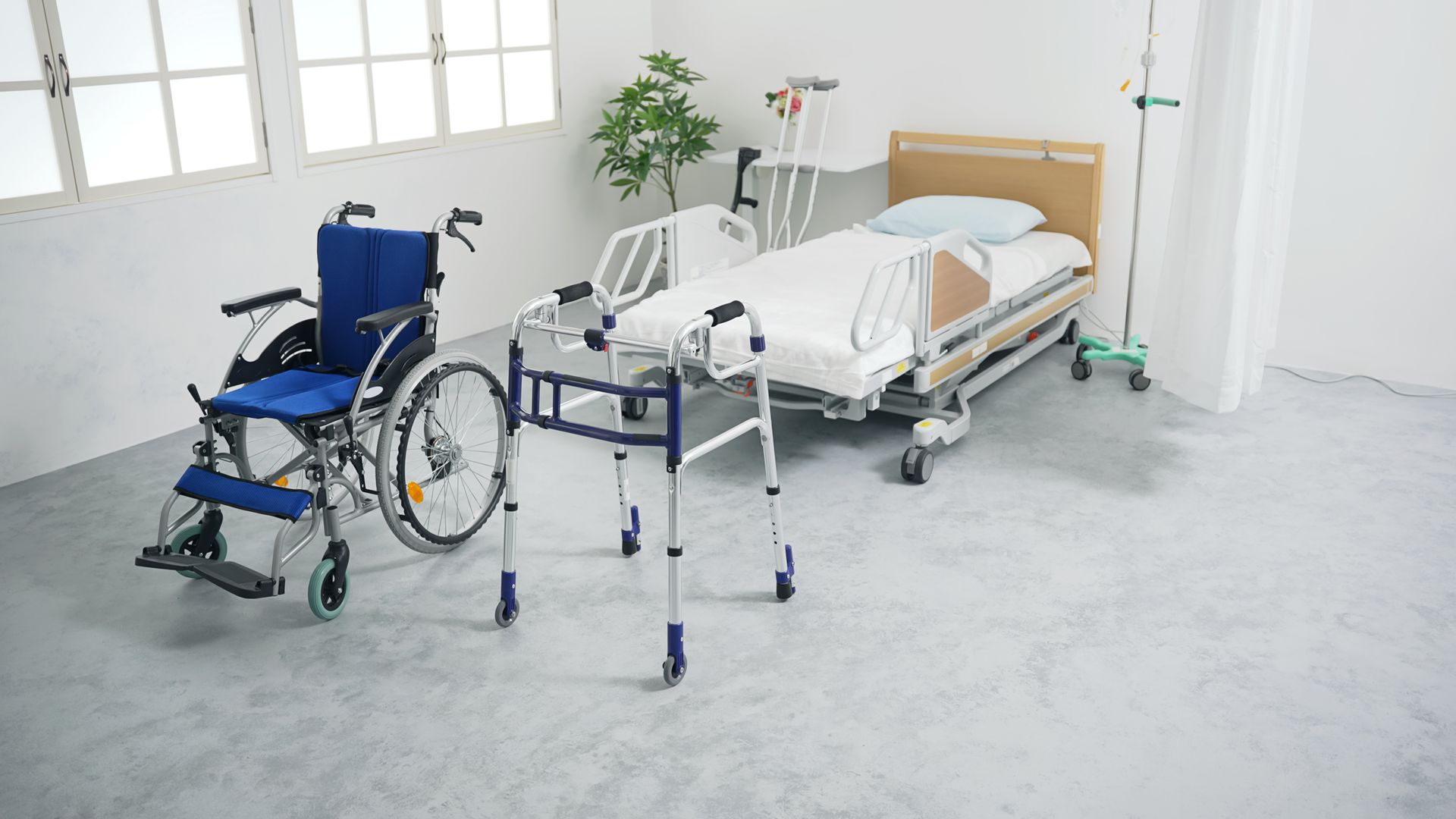
Wondering if medical equipment rental in Austin, TX, is covered by Medicare or insurance? Lakeway Mobility explains your options. Call for a free quote.

Need a safe ride home after surgery? Learn why professional post-surgical transportation can be a better choice for patients in Austin, Lakeway and Westlake.
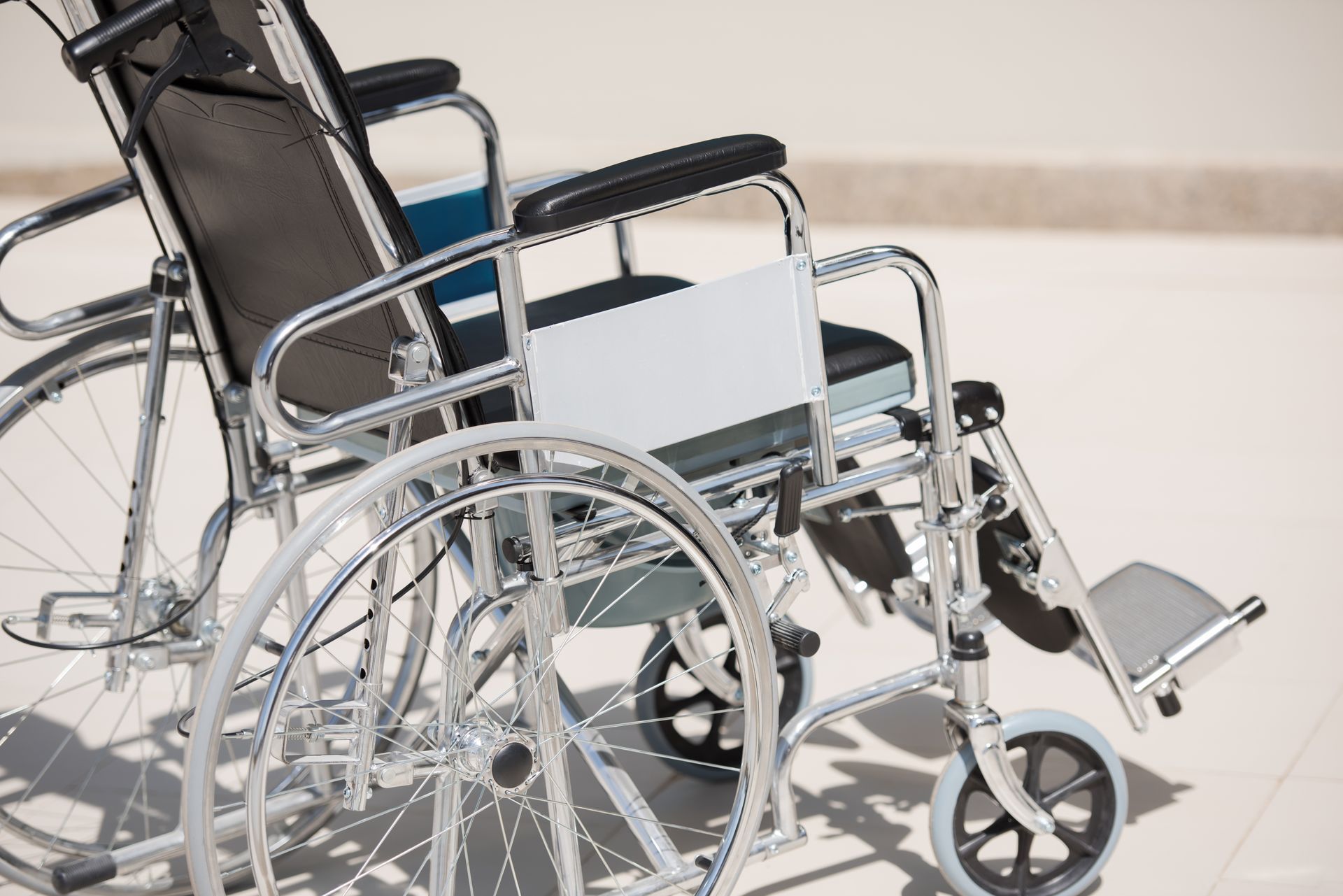
Need outpatient medical transportation services in Austin, TX, after surgery? Lakeway Mobility provides RN-led NEMT for safe discharge. Call today.
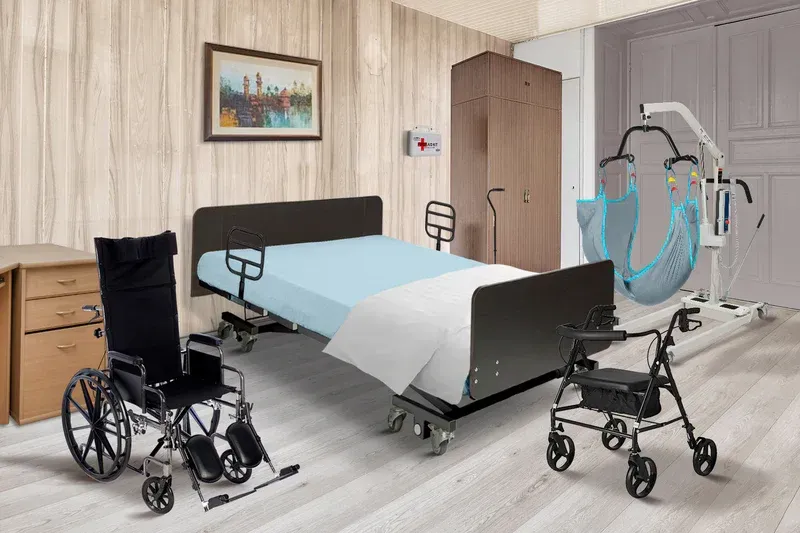
Need medical equipment after hospital discharge? Lakeway Mobility provides fast DME delivery, rentals and mobility equipment throughout Austin, Texas.
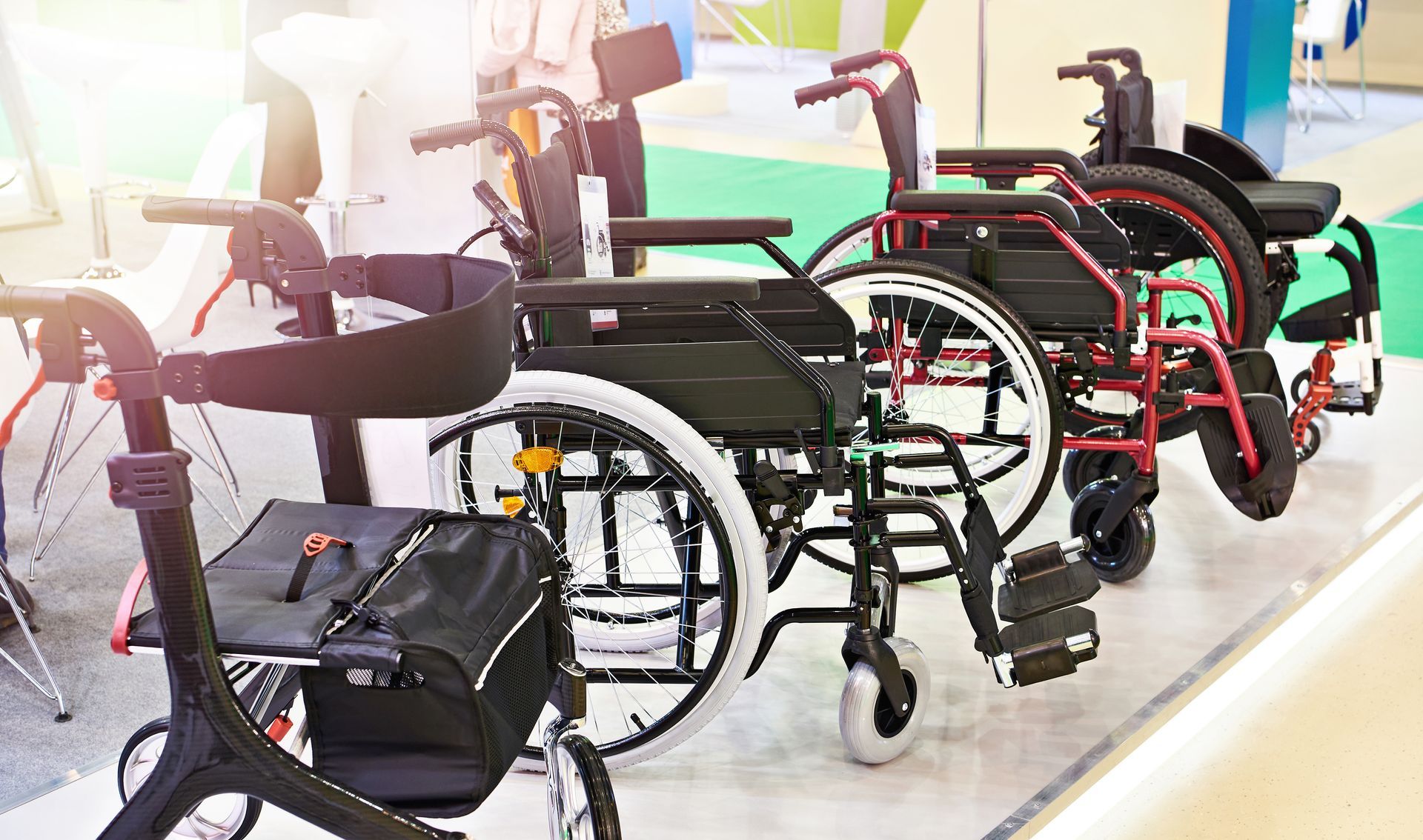
Compare renting vs. buying medical equipment for sale in Austin, TX. Lakeway Mobility offers both options with expert guidance. Call today.

The Critical Transition: From Hospital to Home

Choosing the Right Surgeon: A Multifaceted Approach

Many patients assume their insurance will cover transportation to and from medical appointments, rehabilitation facilities, or hospital discharges. Unfortunately, coverage limitations, pre-authorization requirements, and policy exclusions often result in unexpected out-of-pocket expenses. Understanding how insurance co

Maintaining Strength and Stability as We Age | Lakeway Mobility
From hospital discharge to home setup, Lakeway Mobility provides wheelchair transport, medical equipment, and RN oversight in Austin, TX—making recovery safe and seamless.