The Ultimate Guide to Wheelchair Rentals and Sales by Lakeway Mobility
Tracie Slaoui • February 11, 2026
an elderly parent, recently discharged from the hospital, needing mobility support only for a few weeks—or a tourist recovering from surgery who doesn’t require long-term ownership. These real-world scenarios underscore the growing importance of access without ownership, a concept that adds dynamism to industries like equipment rental. Drawing from the broader equipment rental sector, businesses gain agility and reduce costs by offering short‑term solutions instead of pushing for ownership—this financial flexibility resonates powerfully when applied to mobility aids like wheelchairs Wikipedia on equipment rental.
Within that landscape, wheelchair rental services stand out as both practical and compassionate. They offer immediate access to mobility without the upfront investment of purchasing, which is particularly valuable amid rising healthcare costs and fluctuating recovery needs. With a global wheelchair rental market valued at over USD 2.6 billion in 2024 and projected to climb steadily toward USD 3.8 billion by 2031—maintaining a consistent CAGR of around 5.2 percent—this sector is clearly on the move Valuates report on the global wheelchair rental market.
That growth isn’t abstract—consider a hospital that integrates wheelchair rental into patient‑care workflows, enabling rapid deployment for post‑operative mobility without straining storage or budget. Or a travel‑oriented provider that rents manual chairs at theme parks or aiImagine rports, enhancing accessibility and adding convenience for visitors. These concrete examples reflect how the concept of wheelchair rentals sales blends compassion with commerce, meeting distinct needs through flexible service models.
As aging populations grow and awareness of mobility challenges increases, both individuals and institutions are seeking smarter, cost‑effective mobility solutions. For SEO content focused on wheelchair rentals sales, this opening sets a foundation that balances emotional resonance with data‑driven insight—captivating decision‑makers and caregivers alike, and paving the way for deeper exploration of best practices, revenue strategies, and market dynamics in subsequent sections.
Market Landscape and Growth Drivers
In continuing the narrative’s progression, it’s essential to understand how the backdrop for wheelchair‑focused offerings warmly dovetails into strategic conversations around capacity building and performance. Recent research reveals that the global wheelchair rental market was valued at approximately US$2.4 billion in 2024, and is projected to climb to around US$2.54 billion by 2025, with a robust compound annual growth rate (CAGR) of 5.9% through 2035—underscoring a steady upward trend driven in part by an aging global population and rising demand for flexible mobility solutions WiseGuy Reports
Equally, another source estimates the market at US$2.665 billion in 2024, expanding to about US$3.78 billion by 2031, reflecting a CAGR of 5.2%. This growth trajectory highlights the evolving role of rental models among healthcare institutions, tourists, and individuals managing temporary mobility challenges Valuates Reports
Emerging from these figures is not just a rising demand—but also a diversification in rental opportunities. In North America, where healthcare infrastructure and demographic shifts intersect, the market stands particularly strong. Globally, there’s growing acknowledgment of the role rental services play in delivering both inclusion and cost efficiency. Against this backdrop, offering well-positioned Wheelchair Rentals Sales can deliver measurable returns while meeting profound societal needs.
Examples of Strategic Deployment
Take, for instance, hospital systems that integrate short-term wheelchair rentals into discharge planning. By leveraging rental contracts instead of absorbing purchase and maintenance cost, they reduce capital outlays and ensure that patients retain mobility support during recovery—ultimately streamlining operations and improving patient satisfaction.
Similarly, travel-focused organizations are partnering with rental providers to supply lightweight, foldable models—ideal for airports and resorts. These initiatives enhance guest experiences by delivering inclusive access on demand, minimizing hassle for institutions, and unlocking new revenue channels in tourism and hospitality.
By weaving these practical use cases into your narrative, the conversation about Wheelchair Rentals Sales becomes more than theory—it becomes a blueprint. A blueprint for how stakeholders can align social impact with revenue generation by strategically meeting mobility needs with responsive, scalable rental offerings.
A close-up of a sleek, modern wheelchair displayed prominently in a rental showroom, with sunlight streaming through large windows, highlighting its ergonomic design and advanced features.
Benefits of Renting vs. Buying Wheelchairs
Deciding between renting or buying a wheelchair often depends on several factors, including the duration of need, cost considerations, and personal preferences. Renting a wheelchair can be an ideal choice for individuals who require mobility assistance on a short-term basis or those involved in travel. For instance, a person recovering from surgery might only need a wheelchair for a few weeks. In such cases, rentals offer flexibility and convenience without a large upfront investment.
On the other hand, purchasing a wheelchair may be more practical for long-term needs. Ownership allows for personalized customizations, ensuring a fit that caters exactly to the user’s requirements. However, the financial commitment can be a significant consideration. According to recent studies, the average cost of a wheelchair in the U.S. can range from $500 to over $1,500, depending on the type and advanced features.
The Cost-Effectiveness of Rentals
Wheelchair rentals are usually cost-effective for travelers or those attending events. Many individuals opt for rentals during vacations when transporting a personal wheelchair may be cumbersome. Additionally, renting wheelchairs for guests with mobility needs can enhance accessibility at functions and gatherings. Companies like Lakeway Mobility provide user-friendly platforms to facilitate the rental process, ensuring that individuals can enjoy seamless, hassle-free experiences.
Ideal Scenarios for Wheelchair Rentals Sales
Events such as weddings, conferences, or short-term rehabilitation are scenarios where renting becomes optimal. According to a report by Market Research Future, the global wheelchair market is projected to grow significantly due to increased demand at events and travel-related purposes. This trend emphasizes the practicality of Wheelchair Rentals Sales as a convenient solution in these situations.
While rentals offer flexibility and ease, the decision to rent or buy should be guided by individual needs. Both options have values and drawbacks that align differently depending on the context, reinforcing the importance of considering personal circumstances and long-term goals when deciding.
Value-Driven Insights into Rentals vs. Purchases
Transitioning from considerations of flexibility and convenience, cost-efficiency becomes a pivotal factor in evaluating mobility solutions. For individuals or facilities needing temporary support—such as post-operative patients, travelers, or rehabilitation clients—rentals often present a highly economical option. The global wheelchair rental market was estimated at around US$2.665 billion in 2024 and is expected to grow to US$3.782 billion by 2031, reflecting a steady CAGR of approximately 5.2% hengceresearch.com.
Conversely, for those with ongoing mobility needs, purchasing can be more cost-effective over time. Advanced power wheelchairs, for example, are part of a broader U.S. powered wheelchair market that reached nearly USD 982.4 million in 2024, growing at an anticipated CAGR of 4.7% through 2034 gminsights.com. Although initial purchase prices can range between $2,500 to $15,000—creating a significant upfront investment—long-term use often justifies the expense marketgrowthreports.com.
Case Example: Travel vs. Long-Term Use
Consider a frequent traveler who relies on mobility aids. Renting a power wheelchair at each destination protects their own equipment from damage during transit and ensures they can maintain independence while away. A user shared success locating rental options across major U.S. cities like Los Angeles, Las Vegas, and Boston, noting that availability is generally strong in large urban areas reddit.com. In contrast, someone using a wheelchair daily will benefit more from owning one—achieving cost-efficiency, personalized fit, and consistent availability.
Institutional and Facility Perspectives
Rehabilitation centers, hospitals, and long-term care facilities often rely on rentals to meet variable demand. Rentals eliminate the upfront capital required to maintain a large inventory of assistive devices, while still supporting patient care. The rental market’s growth, as noted earlier, underscores how institutions value the flexibility that aligns with fluctuating occupancy and treatment cycles hengceresearch.com.
Making the Choice: Actionable Insights
For short-term users, especially travelers or post-operative patients, rentals offer reduced financial burden and logistical convenience.
Those with chronic or long-term mobility needs often benefit from investing in a personalized purchase, which can deliver improved comfort, customization, and overall value.
Facilities that serve variable demand can optimize cash flow and inventory management by incorporating rental solutions into their operational strategy.
By weighing these practical aspects—particularly through the lens of market data and real-world experiences—readers can make informed decisions. Whether seeking agility through rentals or investing in ownership for long-term benefit, aligning mobility solutions with usage patterns ensures both financial and functional advantages.
A variety of wheelchairs neatly displayed outside a retail and rental store, with a signboard offering "Wheelchair Rentals & Sales," set against a backdrop of a bustling city street.
Conclusion
The landscape of the wheelchair rentals and sales market is both dynamic and essential, as highlighted throughout this discussion. Embracing the potential of this industry involves a deep understanding of customer needs, proactive innovation, and strategic partnerships. Businesses that prioritize accessibility and customer satisfaction are more likely to thrive in this space.
When venturing into wheelchair rentals sales, consider the importance of offering flexibility and customization to meet diverse customer requirements. A robust selection of models, both for short-term rentals and sales, can significantly enhance customer experiences. Innovative solutions such as online booking systems and mobile-friendly interfaces are increasingly becoming industry standards, helping businesses stay competitive.
Moreover, developing relationships with healthcare professionals and participating in community engagements can further elevate a business's presence and reputation. Collaborations with hospitals, clinics, and rehabilitation centers not only broaden the customer base but also provide meaningful insights into the latest trends and demands in mobility solutions.
Access to reliable data and industry insights is crucial for making informed decisions. For example, according to a report by Market Research, the global mobility aids market is projected to grow significantly over the next decade, emphasizing the promising prospects for businesses in this field.
As you plan steps in this promising sector, consider leveraging specialized services from experienced providers. Companies like Lakeway Mobility offer comprehensive resources and expertise, supporting businesses to effectively navigate the complexities of the market. Through strategic use of their services, businesses can gain valuable insights and operational support, thus positioning themselves for sustained growth.
The insights and strategies discussed in this article provide a foundation upon which businesses can build and innovate. By staying informed and adapting to changes, companies can not only meet but exceed customer expectations, securing their place in the expanding world of wheelchair rentals and sales.
Tracie Slaoui, RN, BSN, CCM
Founder, Lakeway Mobility
RN-Led Guidance for Medical Transitions
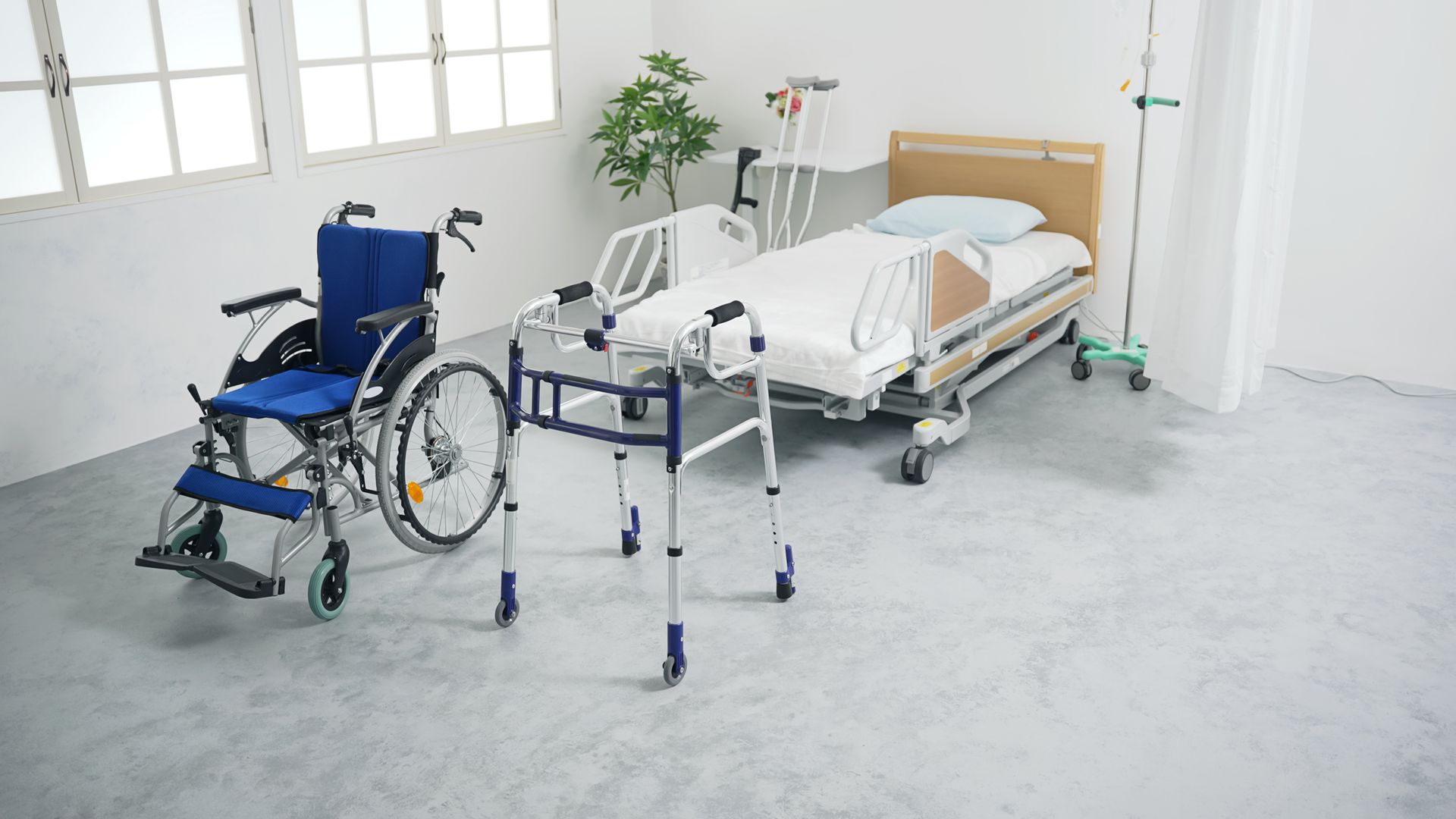
Wondering if medical equipment rental in Austin, TX, is covered by Medicare or insurance? Lakeway Mobility explains your options. Call for a free quote.

Need a safe ride home after surgery? Learn why professional post-surgical transportation can be a better choice for patients in Austin, Lakeway and Westlake.

Need outpatient medical transportation services in Austin, TX, after surgery? Lakeway Mobility provides RN-led NEMT for safe discharge. Call today.
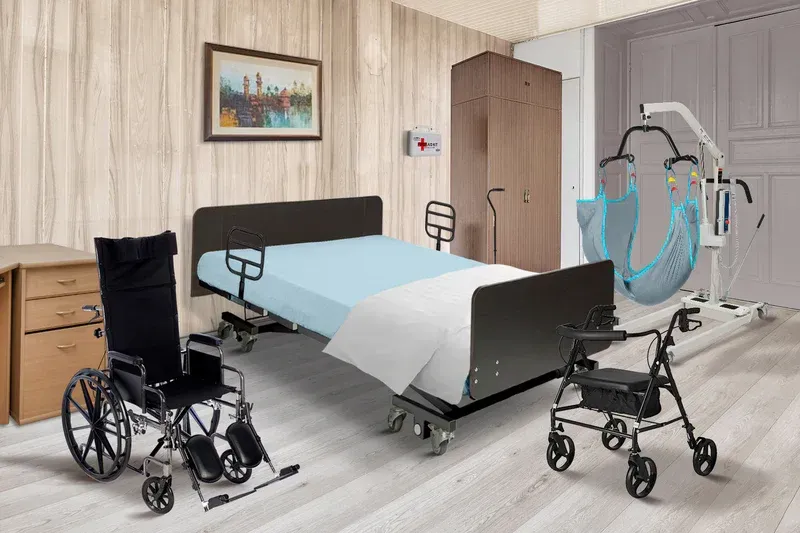
Need medical equipment after hospital discharge? Lakeway Mobility provides fast DME delivery, rentals and mobility equipment throughout Austin, Texas.
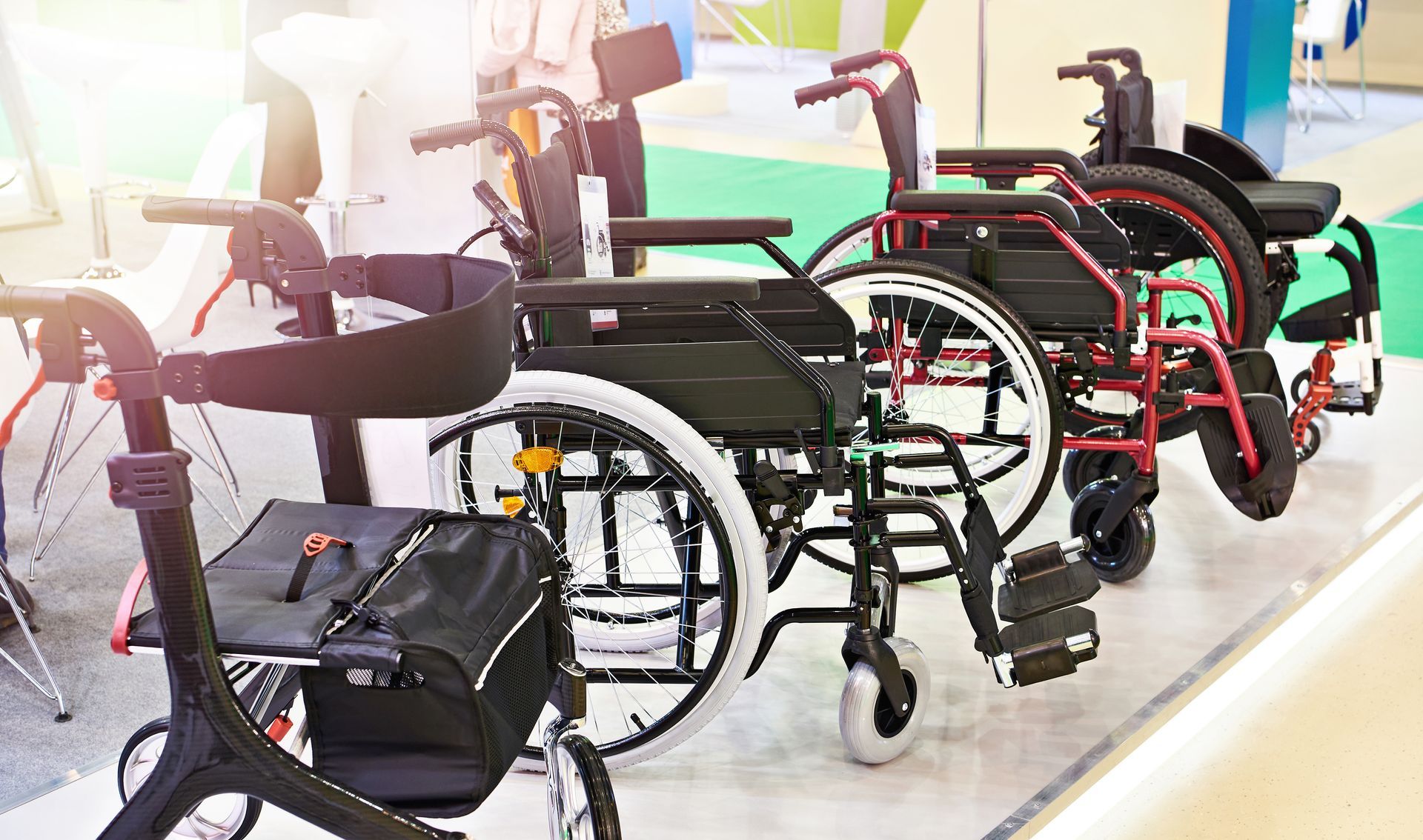
Compare renting vs. buying medical equipment for sale in Austin, TX. Lakeway Mobility offers both options with expert guidance. Call today.
The Critical Transition: From Hospital to Home

Choosing the Right Surgeon: A Multifaceted Approach

Many patients assume their insurance will cover transportation to and from medical appointments, rehabilitation facilities, or hospital discharges. Unfortunately, coverage limitations, pre-authorization requirements, and policy exclusions often result in unexpected out-of-pocket expenses. Understanding how insurance co

Maintaining Strength and Stability as We Age | Lakeway Mobility
From hospital discharge to home setup, Lakeway Mobility provides wheelchair transport, medical equipment, and RN oversight in Austin, TX—making recovery safe and seamless.