Preparing for Surgery: Why Transport and Medical Equipment Matter More Than You Think
Tracie Slaoui • January 29, 2026
Preparing for Surgery: Why Transport and Medical Equipment Matter More Than You Think
Preparing for Surgery: Why Transport and Medical Equipment Matter More Than You Think
When someone schedules surgery, most of the attention goes to the procedure itself.
The surgeon. The hospital. The date on the calendar.
But in real life, recovery is shaped by what happens before you leave the hospital and when you arrive home. This is where many families feel unprepared.
At Lakeway Mobility, we support patients every day who are surprised by how challenging the first 48–72 hours after surgery can be. The difference between a smooth recovery and a stressful one often comes down to two things:
transportation and medical equipment.
Why Planning Transport Before Surgery Is Essential
Getting home after surgery is not “just a ride.”
After anesthesia and pain medication, patients may experience:
Dizziness or weakness
Increased pain with movement
Limited ability to get in and out of a vehicle
Difficulty sitting comfortably for long periods
Without proper planning, this transition can be uncomfortable or unsafe.
Planning medical transport ahead of time ensures:
Safe transfers from wheelchair to vehicle to home
Proper positioning to reduce pain and swelling
Support if symptoms arise during transport
A calm, supported ride home sets the tone for recovery.
The Role of Medical Equipment in Recovery
Many patients assume equipment can be “figured out later.”
In reality, having the right equipment ready before surgery day makes a significant difference.
Here are common items that support post-surgical recovery:
Chairs and Seating Support
Standing from low or soft furniture can be difficult after surgery.
Firm chairs with armrests or lift chairs help reduce strain and improve safety.
Bathroom Safety Equipment
The bathroom is one of the most common places for falls after surgery.
Raised toilet seats or bedside commodes reduce bending and improve stability.
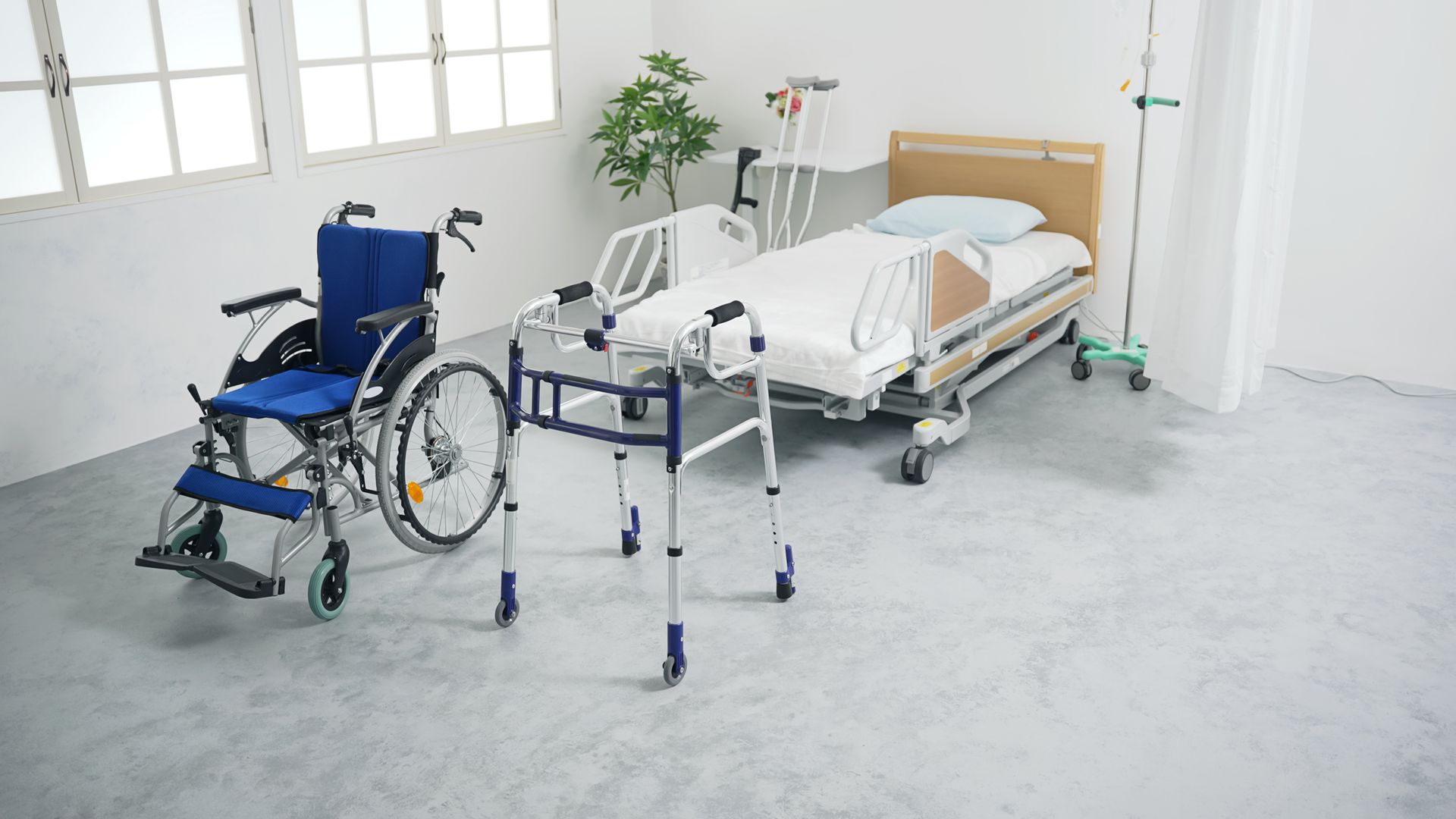
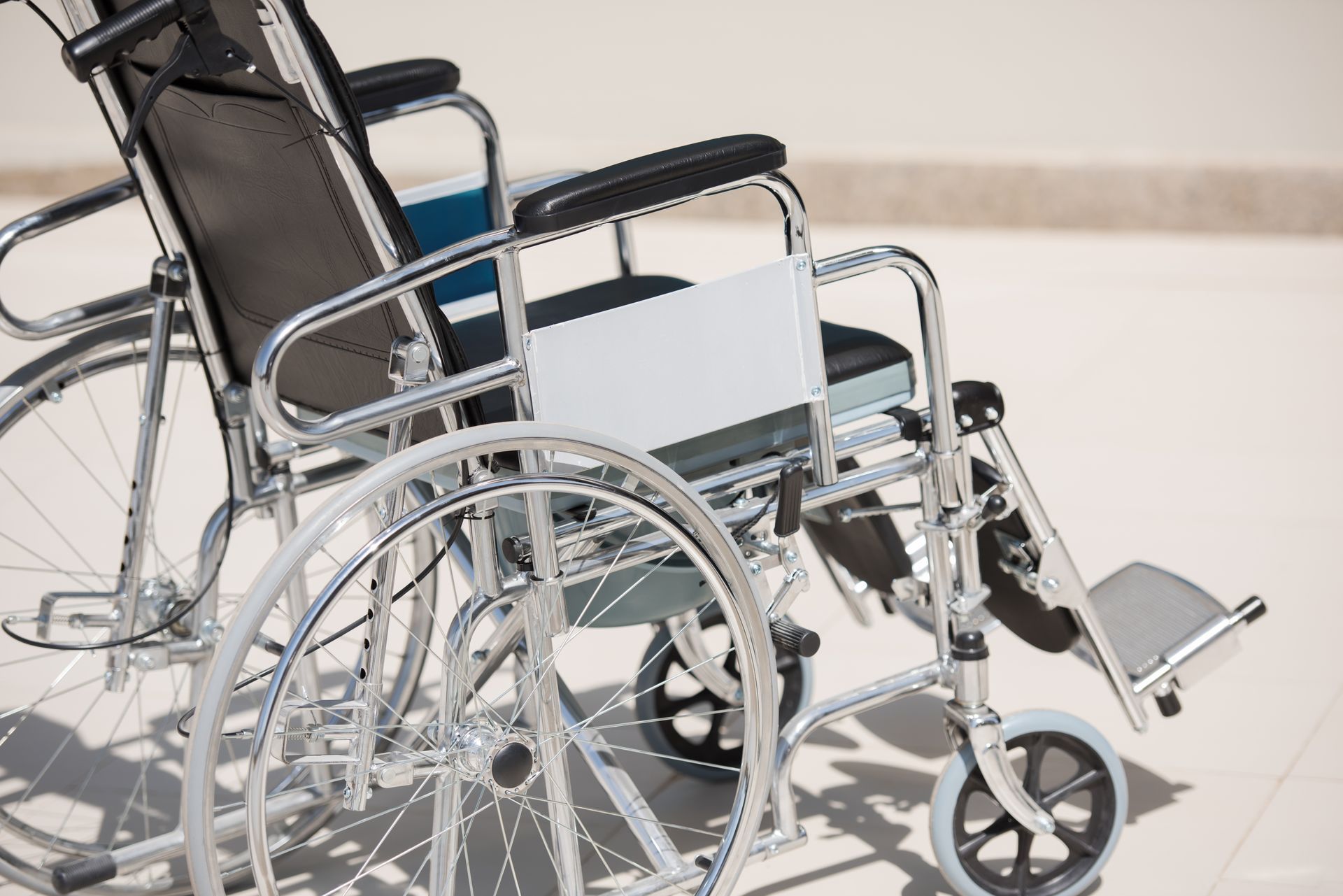
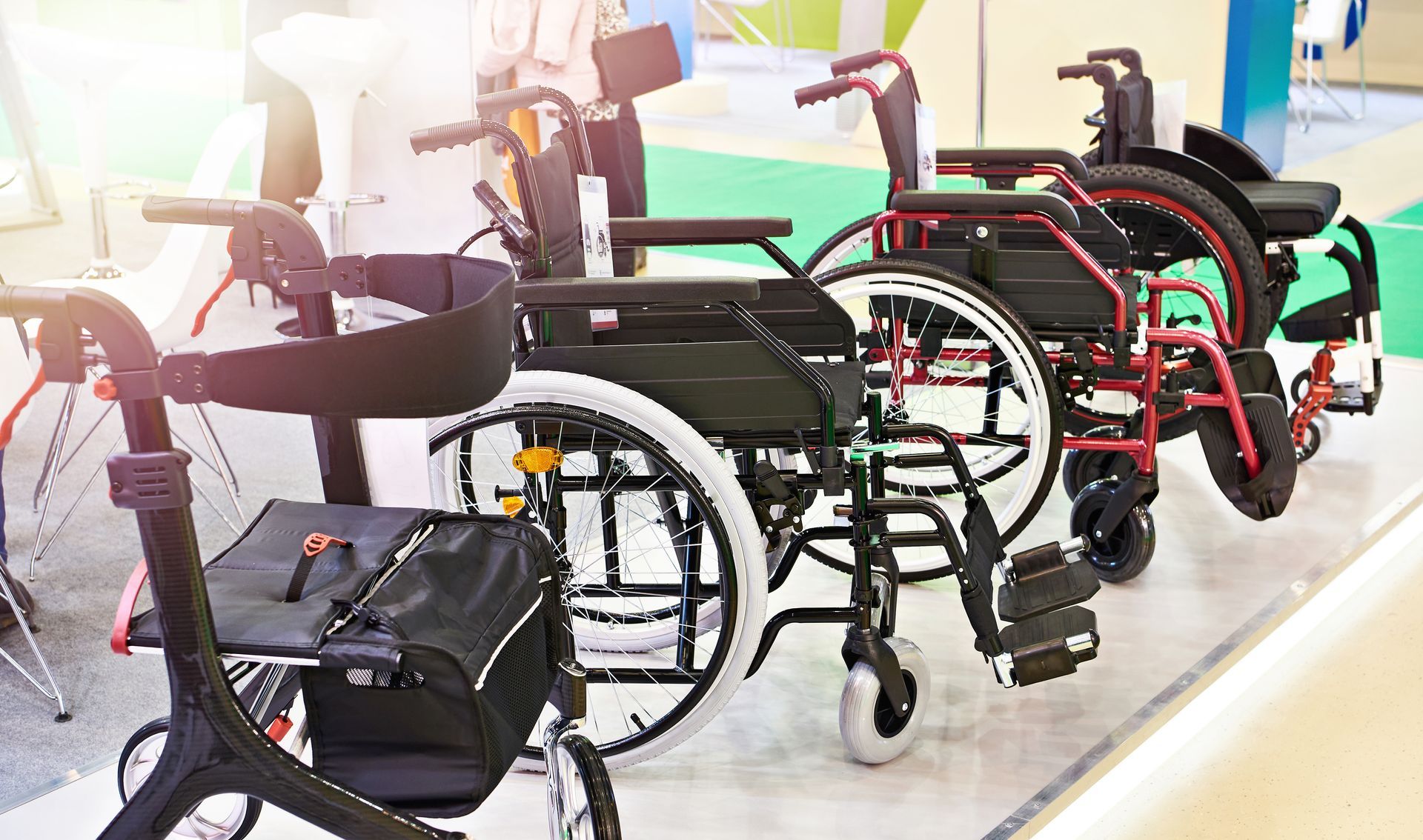
Walkers or Wheelchairs
Even patients who plan to walk may need mobility support temporarily.
Using equipment short-term helps conserve energy and prevent setbacks.
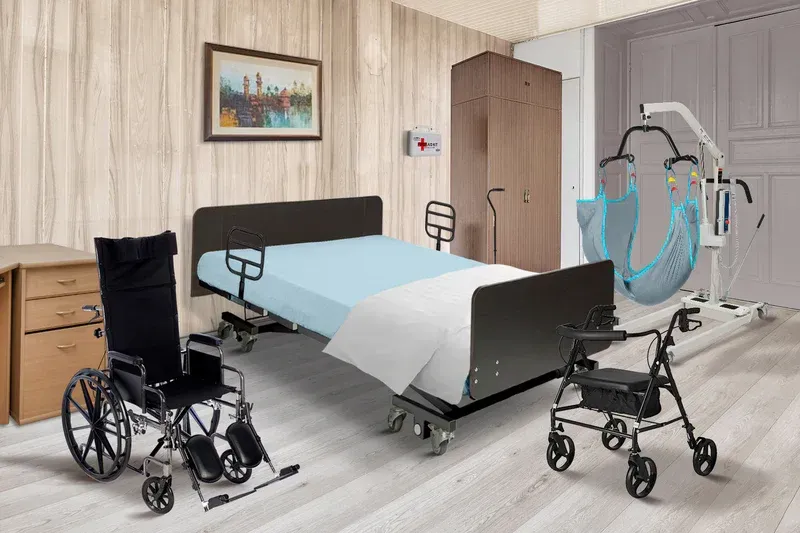
Beds and Positioning Support
For some patients, adjustable beds or positioning aids help with:
Pain control
Swelling reduction
Safer transfers in and out of bed
When equipment is already in place, patients can focus on healing instead of problem-solving.
The Most Common Mistake Families Make
The most frequent challenge we see is waiting until after surgery to plan.
At that point:
Patients are tired and uncomfortable
Families feel rushed
Equipment availability may be limited
Planning ahead allows for smoother discharge, less stress, and better recovery outcomes.
A Thoughtful Recovery Starts with a Plan
Surgery is a process, not a single event.
When transportation and medical equipment are planned in advance, recovery feels calmer, safer, and more supported.
At Lakeway Mobility, we help families prepare for what comes next so surgery doesn’t turn into chaos at home.
If you or a loved one has a scheduled surgery coming up, consider planning:
How you’ll get home
What equipment will support recovery
How safety and comfort will be managed in the first days after discharge
Need help planning ahead?
📞 512-770-1020
🌐 www.lakewaymobility.net
Wondering if medical equipment rental in Austin, TX, is covered by Medicare or insurance? Lakeway Mobility explains your options. Call for a free quote.

Need a safe ride home after surgery? Learn why professional post-surgical transportation can be a better choice for patients in Austin, Lakeway and Westlake.
Need outpatient medical transportation services in Austin, TX, after surgery? Lakeway Mobility provides RN-led NEMT for safe discharge. Call today.
Need medical equipment after hospital discharge? Lakeway Mobility provides fast DME delivery, rentals and mobility equipment throughout Austin, Texas.
Compare renting vs. buying medical equipment for sale in Austin, TX. Lakeway Mobility offers both options with expert guidance. Call today.

The Critical Transition: From Hospital to Home
Choosing the Right Surgeon: A Multifaceted Approach

Many patients assume their insurance will cover transportation to and from medical appointments, rehabilitation facilities, or hospital discharges. Unfortunately, coverage limitations, pre-authorization requirements, and policy exclusions often result in unexpected out-of-pocket expenses. Understanding how insurance co

Maintaining Strength and Stability as We Age | Lakeway Mobility
From hospital discharge to home setup, Lakeway Mobility provides wheelchair transport, medical equipment, and RN oversight in Austin, TX—making recovery safe and seamless.