The Ultimate Guide to Stretcher Transport: Ensuring Safety and Comfort
Tracie Slaoui • February 5, 2026
Understanding Stretcher Transport: A Vital Healthcare Service
The necessity of safe and reliable medical transport cannot be understated, especially when it involves individuals with serious health conditions. One critical player in this domain is stretcher transport—a service designed to ensure that patients requiring horizontal travel receive the care and attention they need en route to medical facilities. This service is particularly indispensable in emergency situations where speed and safety are paramount.
Stretcher transport services cater to a wide range of needs, from non-emergency medical transfers to urgent care scenarios. For example, elderly patients with limited mobility often rely on these services to reach hospital appointments comfortably. The design of the transport system involves customization for various medical needs, ensuring that patients are transported securely on a stretcher, helping to minimize potential risks during travel.
One of the key advantages of stretcher transport is its ability to accommodate complex medical requirements. Patients who necessitate continuous medical attention during transit benefit from on-board medical personnel capable of monitoring vital signs and administering medications as needed. According to EMS.gov, this service is crucial for patients with cardiac issues, severe injuries, or post-operative needs, supporting their journey from one healthcare setting to another seamlessly.
In urban areas, the demand for stretcher transport services often spikes due to the high density of healthcare facilities and the rapid pace of life. Companies offering these services must adhere to stringent safety standards and training protocols for their staff, ensuring a commitment to patient wellbeing. For instance, courses in advanced life support and specialized vehicle handling are common prerequisites for personnel involved in this sector.
Advances in technology have further enhanced the efficacy of stretcher transport. Newer vehicles are equipped with sophisticated communication systems that allow real-time updates with medical facilities, ensuring that the receiving hospital is prepared for the incoming patient. Additionally, innovations in stretcher design have contributed to smoother rides and better patient comfort. As highlighted in a report by Health Affairs, these improvements have significantly elevated the quality of care provided during medical transport.
In conclusion, the critical role of stretcher transport in healthcare is clear. This service not only bridges the gap between home and hospital but also sets the foundation for ensuring consistent care during transport. As the healthcare landscape evolves, the importance of having efficient and responsive stretcher transport services is likely to grow, emphasizing the need for continued innovation and dedication in this field.
Enhancing Safety and Efficiency Through Advanced Technologies
As healthcare facilities strive to bolster the continuity of care during transport, adopting technological innovations can make a tangible difference for both patients and staff. For instance, transitioning to motorized stretchers has demonstrated a significant reduction in musculoskeletal injuries and workdays lost; one study showed a decrease in transport staff lost workdays from a median of 24.5 days to 7 days following implementation of powered systems PubMed study. Additionally, a field evaluation within a paramedic service revealed a remarkable 78% decline in stretcher-related musculoskeletal disorder incidence after deploying powered stretcher and load systems, with associated cost savings recouped over the equipment’s lifecycle Applied Ergonomics report.
Beyond injury mitigation, innovations aimed at ride quality and patient comfort offer equally compelling benefits. Research on actively-controlled stretchers in ambulance settings found that by adjusting the stretcher’s angle to absorb negative foot-to-head accelerations, blood pressure variation in the head decreased—an important factor in enhancing patient stability during transport PubMed evaluation. In another study comparing powered and manual stretcher models, powered systems significantly reduced vertical acceleration forces—recording lower RMS values (0.29 m/s² versus 0.73 m/s²) and earning higher patient comfort ratings on items like “smooth” and “relaxing” laboratory-based crossover study. Such findings underscore that even modest shifts in design can meaningfully improve patient experience during transitions.
Real‑World Implementation: Smart Solutions in Action
Emerging technologies extend beyond transport ergonomics to include systems that actively monitor patient condition en route within the hospital. A proof-of-concept “Smart Stretcher” integrated noninvasive vital-sign sensors, RFID-based identification, and indoor positioning to detect apnea with >90% accuracy and alert staff in real time—a promising tool for safeguarding patients during transfers technical feasibility study. Equipping stretchers with such smart features paves the way for proactive clinical response during what are often considered routine movements.
Considering these examples, it's clear that investing in innovative stretcher systems not only helps reduce staff injury and enhance cost-effectiveness but also contributes substantially to patient comfort and safety. As healthcare providers evaluate improvements, integrating motorized, sensor-enabled, or actively controlled stretchers can elevate quality standards and operational resilience—ensuring transfers are not just a transition, but a seamless extension of care.
A modern ambulance interior with a stretcher secured in place, equipped with medical devices and oxygen tanks, ready for patient transport.
Enhancing Safety and Efficiency in Stretcher Transport
Avoiding incidents during patient transfers requires more than just equipment—it demands a structured, safety-focused approach that addresses human factors, training, and technology. One study of interhospital pediatric transport involving 1,369 transfers found that after implementing targeted safety measures, incident rates dropped dramatically—from 29.2% in an earlier period to 12.0% in a later phase (P < .001)—highlighting how deliberate improvements can yield measurable benefits source.
When analyzing standard ambulance stretcher operations, research shows that adverse events do occur, though at relatively low rates. In one large urban EMS system transporting 129,110 patients, 23 stretcher-related incidents were reported—an incident rate of just 0.18 per 1,000 transports. None of these led to patient injury; however, four EMS providers suffered minor injuries such as knee or back strains, underscoring the importance of reliable equipment and safe handling procedures source.
Advancements in assisted movement devices also contribute significantly to reducing patient discomfort and risk. A controlled study comparing powered and manual stretchers revealed that powered models reduced vertical axis acceleration during lifting and loading (0.29 vs. 0.73 m/s² RMS, p < .001), leading to notably higher comfort ratings among simulated patients for attributes like "smooth" and "relaxing" source. Incorporating such technologies can markedly elevate transport quality.
Best practices go beyond technology. Establishing a clear communication protocol among transport teams, caregivers, and clinical staff helps avoid confusion and ensures everyone stays informed about pickup logistics, patient needs, and any critical updates. Routine equipment checks—verifying locking mechanisms, hydraulics, and vehicle components—are essential to prevent breakdowns during transit source.
Combining these strategies—systematic safety protocols, investment in ergonomic powered devices, and rigorous communication and inspection routines—builds a resilient foundation for reliable and patient-centered transport operations. By reducing strain injuries for staff and limiting adverse events, such initiatives deliver tangible improvements in both safety and service quality.
Enhancing Operational Safety and Efficiency through Targeted Innovations
Building upon strategies for robust communication and equipment reliability, healthcare facilities can further elevate transport quality by adopting targeted innovations designed for real-world challenges. One case study published in a laboratory simulation revealed that integrating power-drive technology into beds and stretchers reduced spinal loading on transport personnel by 8%–21% compared to manual pushing—especially when maneuvering around corners or on inclines—underscoring the tangible value of mechanized assistance in mitigating musculoskeletal risk PubMed analysis.
In field settings, paramedics frequently exceed safe biomechanical thresholds during loading activities. A study involving real-world ambulance operations found that most hydraulic stretcher loading tasks exceeded compression force limits at the L5/S1 lumbar joint—highlighting the critical need for redesigning equipment and training protocols to prioritize operator safety Limited force analysis.
Beyond internal ergonomics, harnessing equipment innovations—such as slings that travel with the patient—can streamline transitions between care zones. Research into stretcher slings used across ambulance and hospital environments revealed that they can improve efficiency during horizontal transfers, although successful deployment requires behavior adaptation and team coordination to ensure effective use study outcomes.
Some facilities have embraced modular equipment that fulfills multiple functional needs during transport. For instance, in air medical services, the deployment of a portable intensive care module—integrated with ventilators, suction, and monitoring equipment—significantly simplified mission-critical transfers and informed later design advances in aerial medical transport systems CareFlight innovations.
These examples underscore how thoughtful investment in ergonomic tools and adaptable modules not only eases physical burdens but also enhances operational velocity and patient safety. When combined with rigorous staff training and inspection protocols, such solutions foster a holistic transport ecosystem that is both reliable and resilient in the face of routine demands and unexpected complexities.
By embedding ergonomically optimized technologies—from power assists to compact ICU modules—healthcare providers can reinforce their commitment to safe, efficient, and patient-centered transport practices, achieving measurable benefits for staff well-being and overall care continuity.
A close-up of a hospital corridor featuring a lightweight, foldable stretcher with secure fastening straps, surrounded by portable safety devices and an emergency radio, highlighting preparedness for safe patient transport.
Conclusion: Ensuring Safe and Efficient Stretcher Transport
As we've explored throughout this article, stretcher transport is a critical component of patient care in various settings. The successful navigation of this process requires attention to equipment quality, training, and safety protocols. Implementing these measures ensures that patients receive the best possible care while in transit, ultimately contributing to better health outcomes.
Key takeaways from our discussion highlight the importance of both equipment and personnel in achieving seamless stretcher transport. Quality equipment like foldable, lightweight stretchers paired with secure fastening straps can significantly enhance safety during transport. Furthermore, continuous training for healthcare professionals ensures they are prepared for diverse scenarios, be it in hospital corridors or challenging outdoor terrains.
Actionable insights include investing in modern, adaptable transport solutions that cater to the specific needs of different care environments. Collaboration with organizations that specialize in healthcare logistics can provide access to cutting-edge technology and best practices. For instance, partnerships with firms like American Medical Response can offer insights into improving operational efficiency and safety through innovation.
Moreover, staying informed about evolving industry standards and research can further improve protocols. For example, a report from the U.S. EMS Department underscores the necessity of ongoing evaluation and adaptation of policies to align with emerging healthcare needs.
A strong call to action for healthcare administrators is to prioritize investment in high-quality transport equipment and comprehensive training programs. By fostering a culture that values safety and efficiency, organizations can enhance patient outcomes and operational efficiency. Now is the time to act and ensure your team is equipped with the knowledge and tools necessary for exceptional stretcher transport.
Ensuring safe and efficient transport is not just a logistical challenge but a moral imperative. By adopting these strategies, healthcare facilities can provide responsive, compassionate care that respects the dignity and safety of every patient.
Tracie Slaoui, RN, BSN, CCM
Founder, Lakeway Mobility
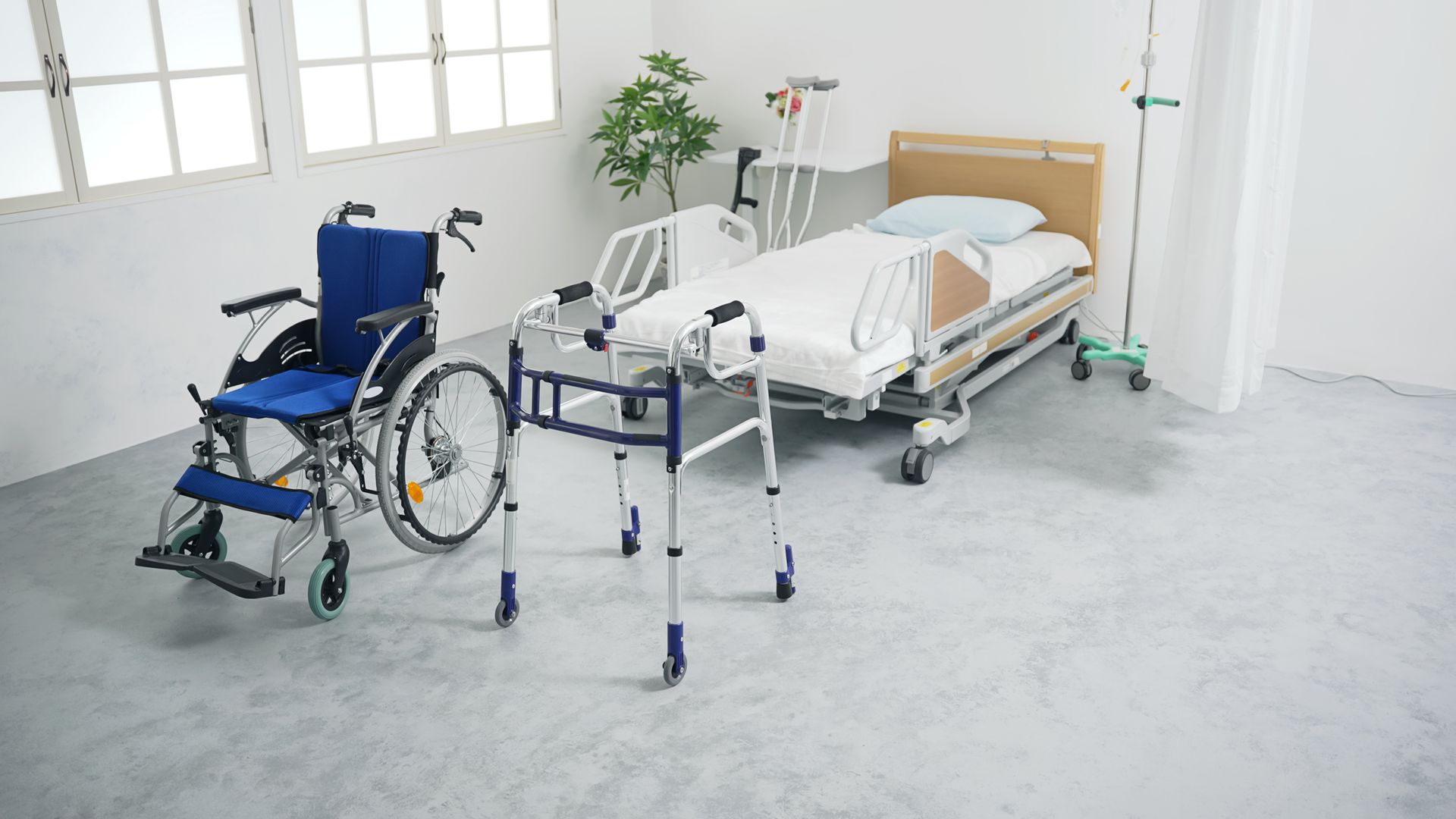
Wondering if medical equipment rental in Austin, TX, is covered by Medicare or insurance? Lakeway Mobility explains your options. Call for a free quote.

Need a safe ride home after surgery? Learn why professional post-surgical transportation can be a better choice for patients in Austin, Lakeway and Westlake.
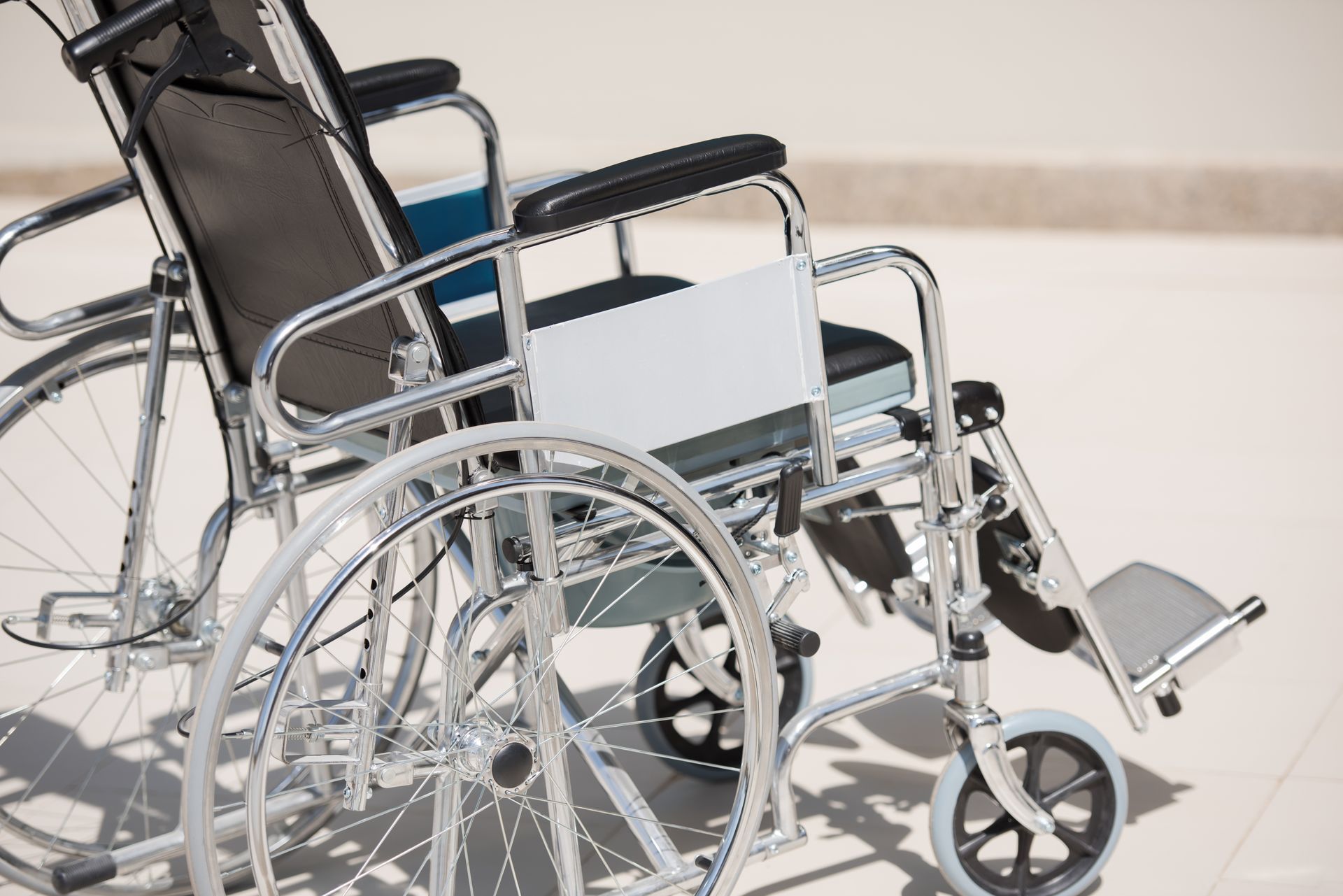
Need outpatient medical transportation services in Austin, TX, after surgery? Lakeway Mobility provides RN-led NEMT for safe discharge. Call today.
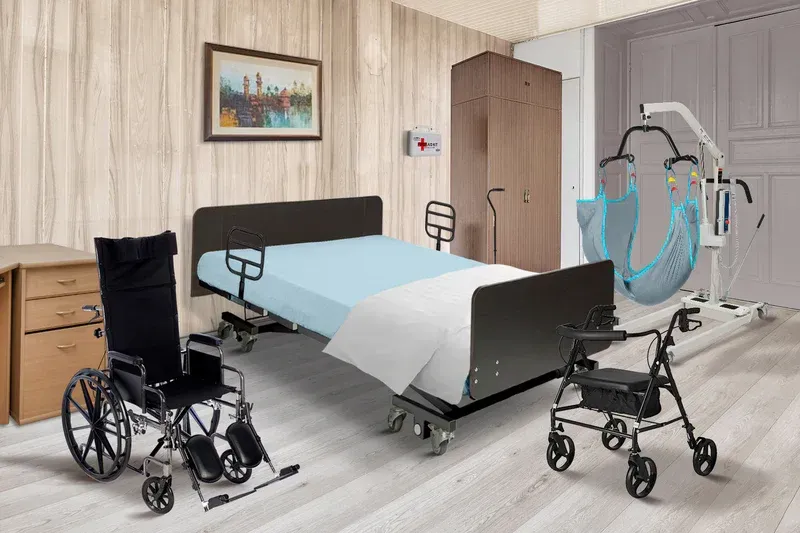
Need medical equipment after hospital discharge? Lakeway Mobility provides fast DME delivery, rentals and mobility equipment throughout Austin, Texas.
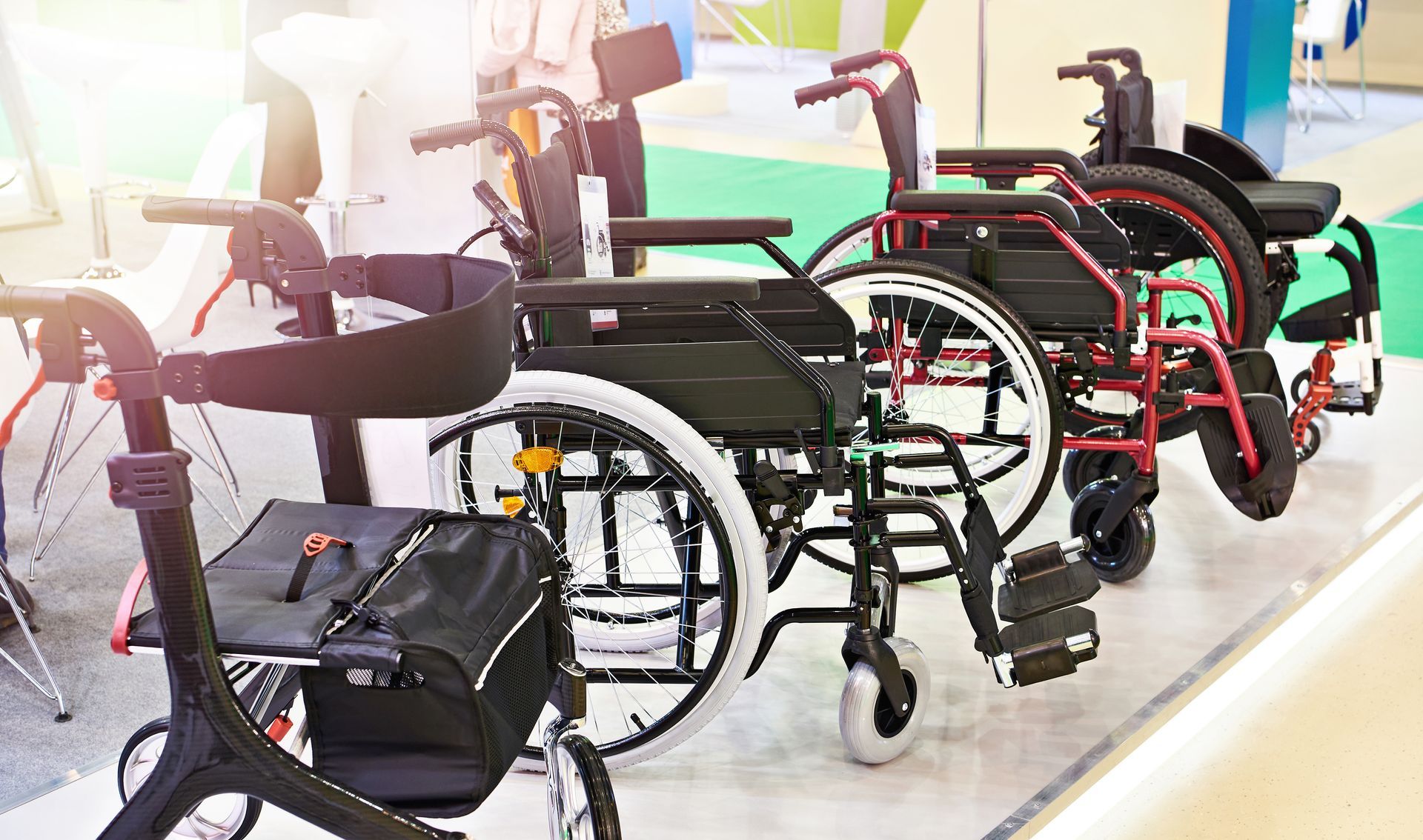
Compare renting vs. buying medical equipment for sale in Austin, TX. Lakeway Mobility offers both options with expert guidance. Call today.

The Critical Transition: From Hospital to Home
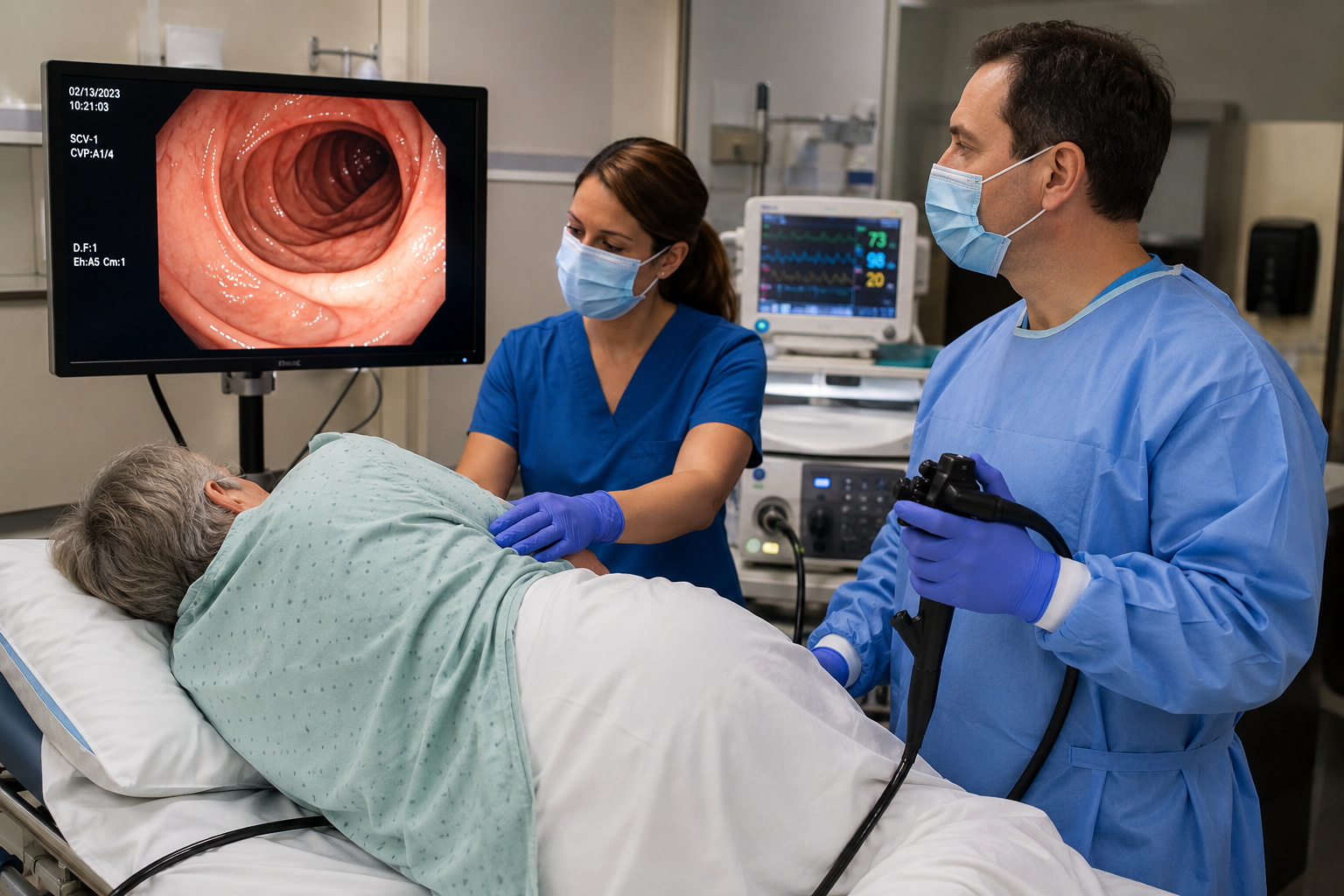
Choosing the Right Surgeon: A Multifaceted Approach

Many patients assume their insurance will cover transportation to and from medical appointments, rehabilitation facilities, or hospital discharges. Unfortunately, coverage limitations, pre-authorization requirements, and policy exclusions often result in unexpected out-of-pocket expenses. Understanding how insurance co

Maintaining Strength and Stability as We Age | Lakeway Mobility
From hospital discharge to home setup, Lakeway Mobility provides wheelchair transport, medical equipment, and RN oversight in Austin, TX—making recovery safe and seamless.