How to Arrange Outpatient Medical Transportation Services in Austin, TX: A Step-by-Step Guide for Post-Surgery Discharge
Planning a safe trip home after a procedure is one of the most overlooked parts of outpatient care. This guide walks Austin, TX, patients through every step of arranging reliable outpatient medical transportation services in Austin, TX, before discharge day arrives.
After any surgery involving anesthesia or sedation, your care team will need to confirm a safe ride home before they can release you. Getting that piece wrong can delay or even cancel your procedure.
Step 1: Understand What Your Facility Actually Requires
Most outpatient surgery centers have strict discharge rules. After anesthesia or sedation, facilities require a responsible adult escort because sedation impairs judgment, memory, and coordination for hours even when you feel fine.
Ask your facility one specific question when you schedule: "Is a professional medical transport service acceptable for my discharge?" Get the answer in writing if you can.
Why a Rideshare Is Usually Not Enough
This surprises many patients, but it is a firm policy at most Austin-area ambulatory surgery centers. Surgery centers will not allow an Uber or Lyft as a substitute for medical transportation after a procedure.
A standard rideshare driver takes no responsibility for you. The facility needs someone who can sign you out, assist you to the vehicle, and confirm you arrive safely at home. What doesn't qualify: driving yourself (facilities will cancel the procedure), a standard rideshare or taxi alone, or public transit.
Step 2: Choose the Right Type of Provider
Safe medical transport goes well beyond a regular car. Choosing outpatient medical transportation services in Austin, TX, that meet your facility's standards is one of the most important decisions you will make before your procedure date.
Key things to verify before booking:
- The provider has medically trained or RN-led staff on board.
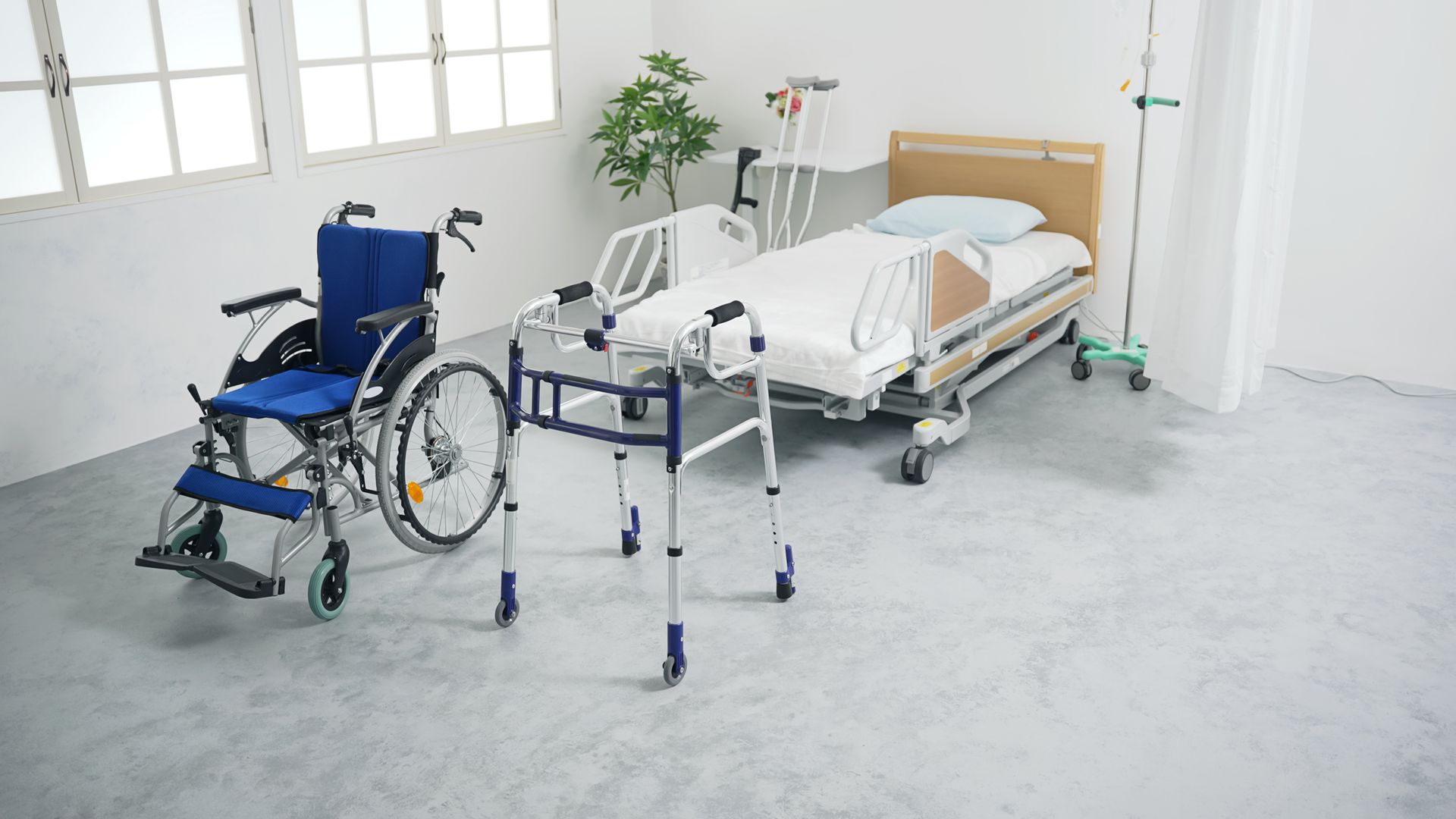
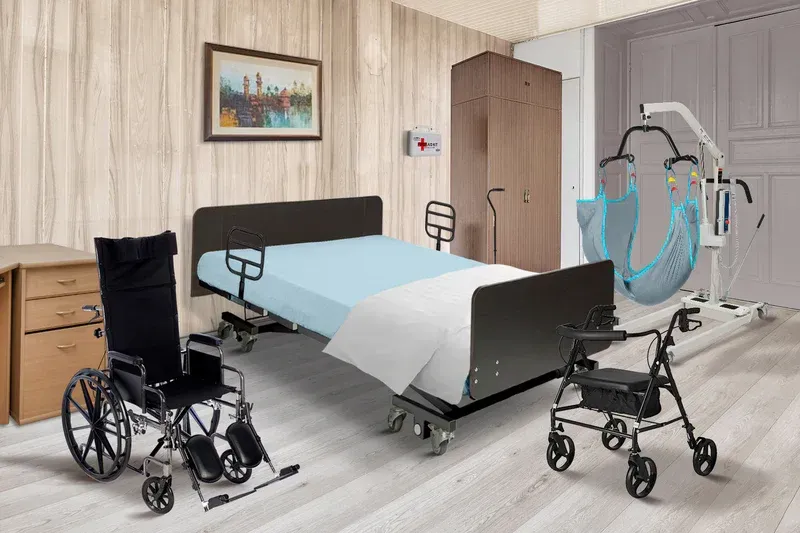
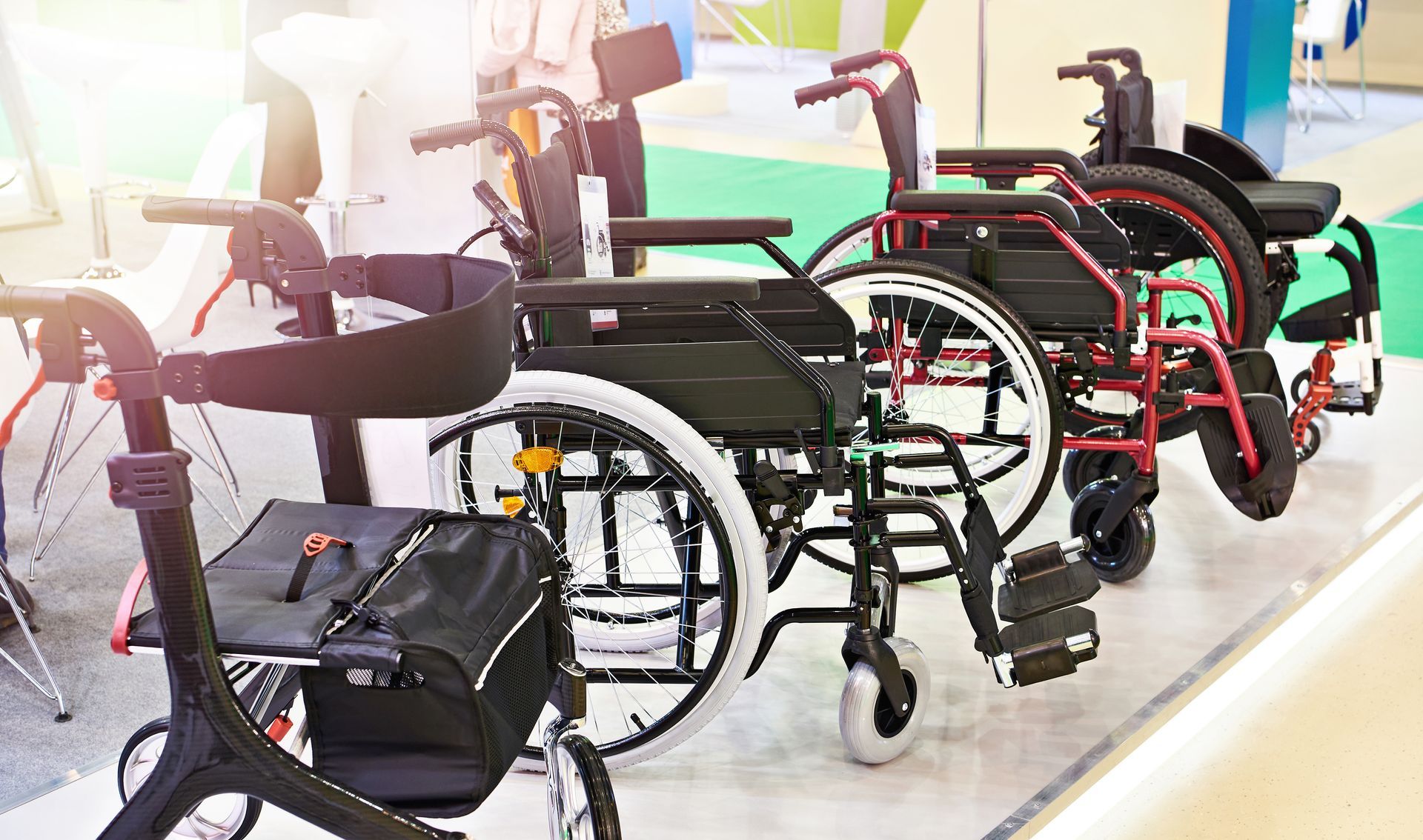
- Vehicles are equipped for wheelchair or stretcher transport if your procedure requires it.
- The service is familiar with Austin-area surgery centers and their sign-out procedures.
- The provider can wait on-site and escort you door to door, not just curb to curb.
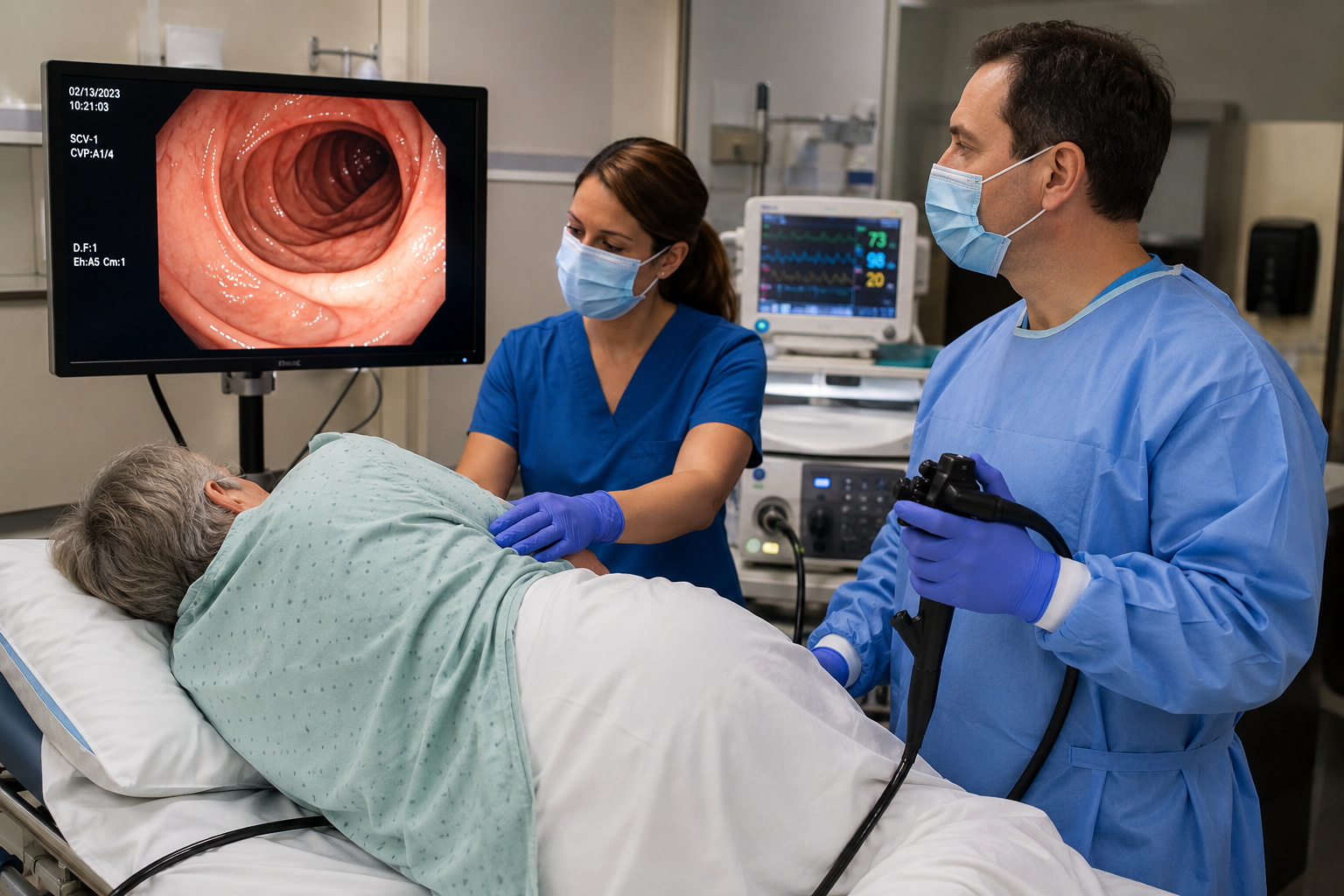
Patients frequently rely on NEMT services when traveling to or returning from ambulatory surgery centers, hospitals, eye institutes, dental surgery centers, and pain management clinics. Procedures such as colonoscopy, cataract surgery, endoscopy, and cosmetic treatments commonly require arranged transport after sedation or anesthesia.
Learn more about available options, including wheelchair and stretcher transport, on the transportation services page.
Step 3: Book Early and Confirm the Details
Do not wait until the day before your procedure. Most providers recommend booking several days in advance, especially for early-morning discharge slots that fill quickly.
When you book, have the following ready:
- The full name and address of your surgery center.
- Your procedure date and estimated discharge time window.
- Any mobility needs, such as wheelchair access or the need to remain lying down.
- Your home address and any special access requirements.
Confirm with your provider 24 hours before the procedure and notify your surgery center of your transport plan so they can note it in your file.
Austin-Specific Considerations for Discharge Day
Austin's traffic patterns can make timing tricky when a facility is holding a post-anesthesia recovery bay. I-35 and MoPac (Loop 1) see significant congestion during morning and afternoon rush hours.
A provider of outpatient medical transportation services in Austin, TX, that operates locally will build buffer time into the schedule. Austin also has a growing network of specialty clinics across Westlake, Bee Cave, and Lakeway, so familiarity with the greater Travis County area is a real advantage.
What Should I Prepare for Discharge Day?
Have a fully charged phone, your insurance cards, and any written discharge instructions. Wear loose, comfortable clothing that is easy to put on after a procedure. Save your transport provider's phone number and have it accessible to whoever is accompanying you.
Do Austin Surgery Centers Require a Nurse or Medical Escort?
Requirements vary by facility and procedure. Some centers need only a responsible adult at discharge. Others, especially for procedures involving deeper sedation or complex mobility needs, may prefer a clinically trained escort. Specialized transport services provide modified stretcher options for patients who must remain lying down but do not require an ambulance. Always confirm with your specific facility what level of escort they require.
Which Procedures Most Often Require Arranged Transport?
Colonoscopy, cataract surgery, endoscopy, cosmetic treatments, pain management procedures, dental surgeries under sedation, and eye surgeries are common reasons Austin patients book outpatient medical transportation services in Austin, TX.
How Far in Advance Should I Book?
Three to seven days before your procedure is a reasonable target. For early-morning slots or peak periods, booking further ahead gives you more options.
What if My Condition Changes After the Procedure?
Notify your transport provider as soon as possible. A good NEMT provider can adjust vehicle type or staffing accordingly. If your discharge is delayed, contact your driver promptly so they can hold your slot or reschedule without penalty where possible.
Plan and Recover With Confidence
Arranging outpatient medical transportation services in Austin, TX, pays off in safety, peace of mind, and a smoother recovery.
Lakeway Mobility serves the Austin and Travis County area with RN-led, non-emergency medical transportation for outpatient procedures, day surgery, and hospital discharge, with wheelchair and stretcher transport available. To arrange a ride or ask about services, visit the
contact page or call
(512) 770-1020.