Maintaining Strength and Stability: Key Strategies for Healthy Aging
Aging Gracefully: Maintaining Strength and Muscle
As we age, it is common to hear about the inevitable decline in muscle mass and strength. However, this narrative overlooks an empowering reality: through dedication and strategic efforts, maintaining strength and muscle is not only possible but also crucial for enhancing our quality of life. Understanding this potential allows us to revolutionize our approach to aging, abandoning the myth that physical frailty is inevitable.
Research underscores that prioritizing strength can lead to fewer falls, improved health, and greater independence. A study published in the British Journal of Sports Medicine highlights how muscle-strengthening activities significantly reduce the risk of falls among older adults. This insight underlines the profound impact that regular physical activity can have on maintaining stability and autonomy.
Beyond safety, strength training and stretching significantly enhance overall well-being. By focusing on these practices, individuals can enjoy increased mobility and energy levels, allowing them to fully engage in life’s daily activities. Incorporating routines like walking not only builds cardiovascular health but also complements strength training, creating a balanced and effective fitness regime.
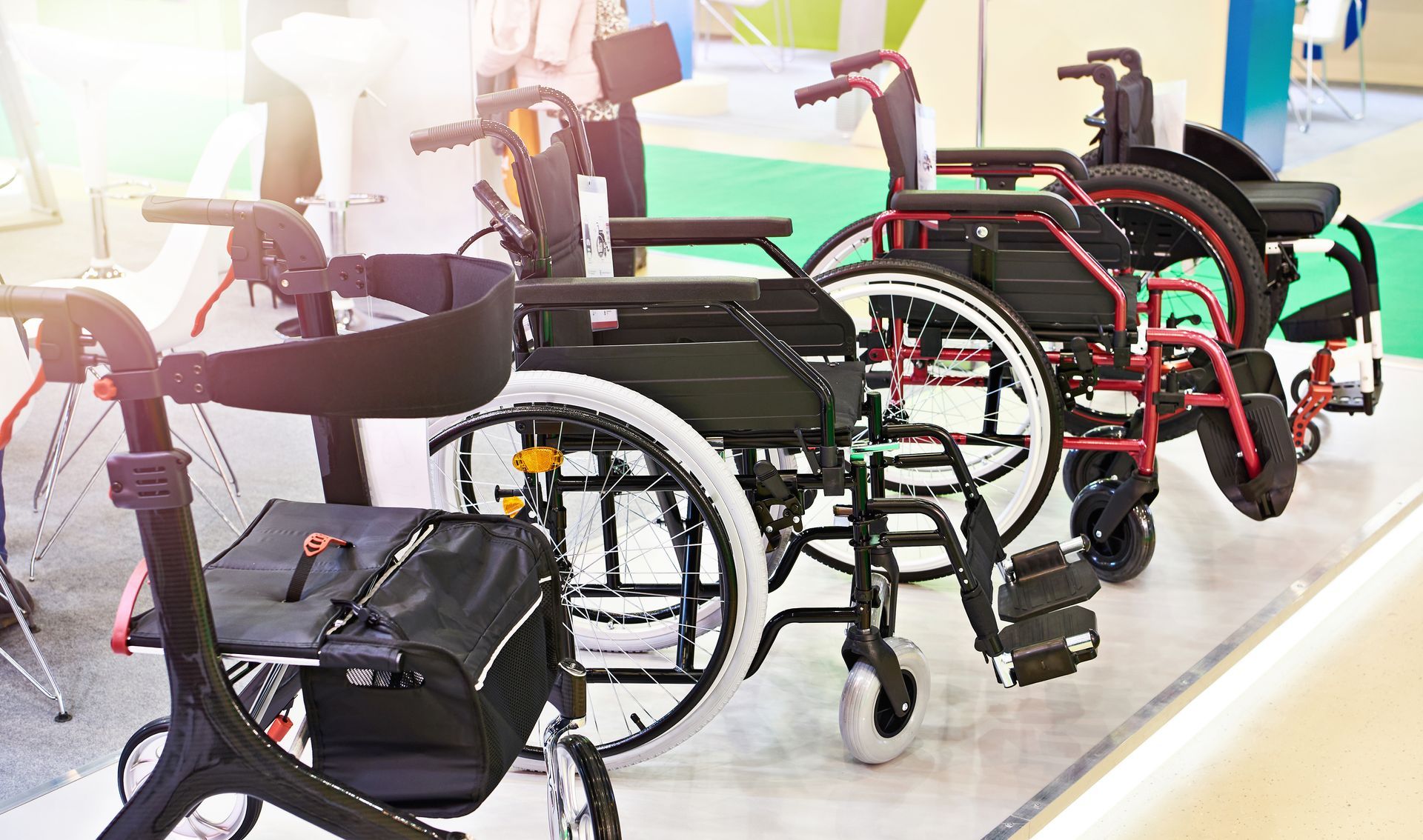
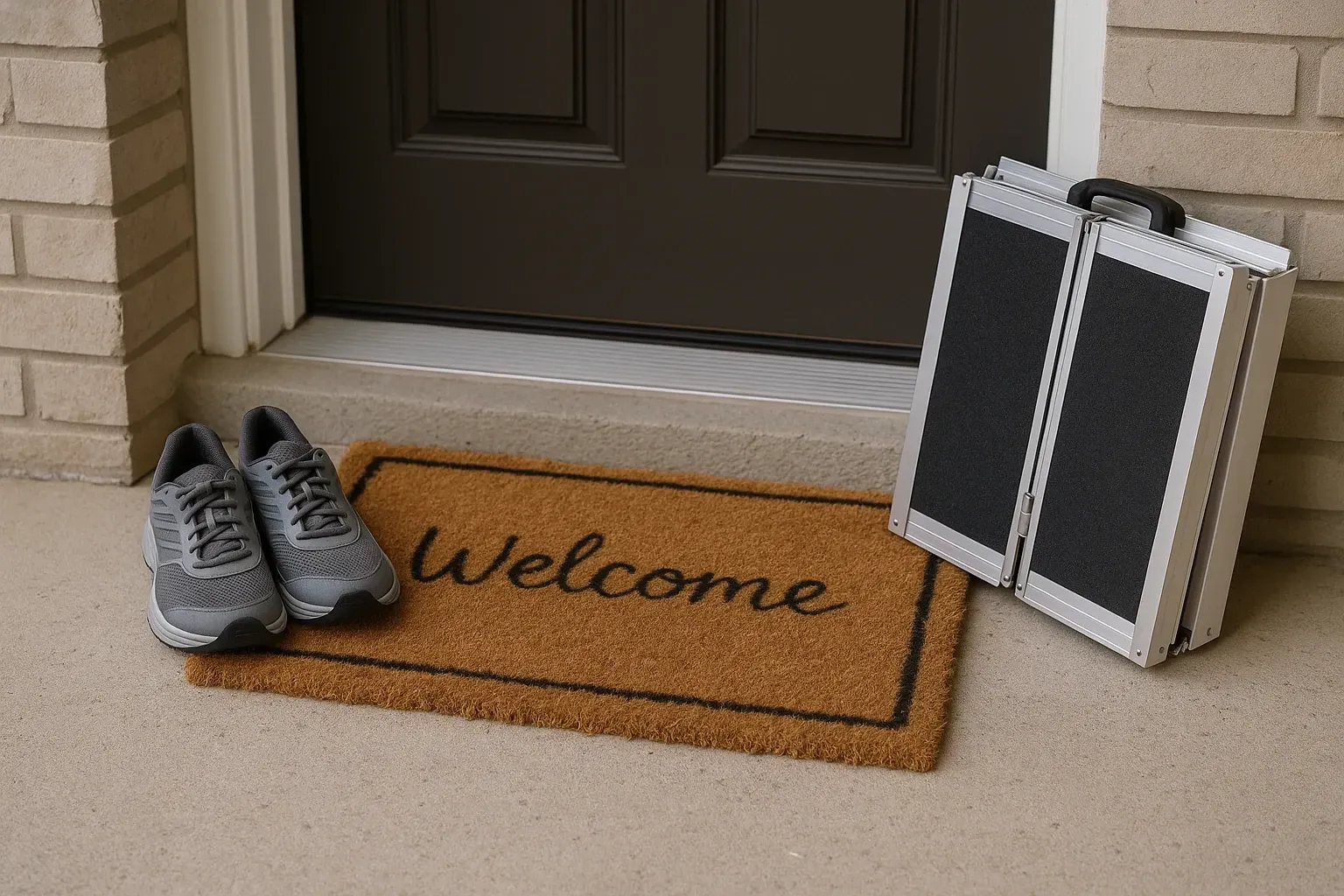
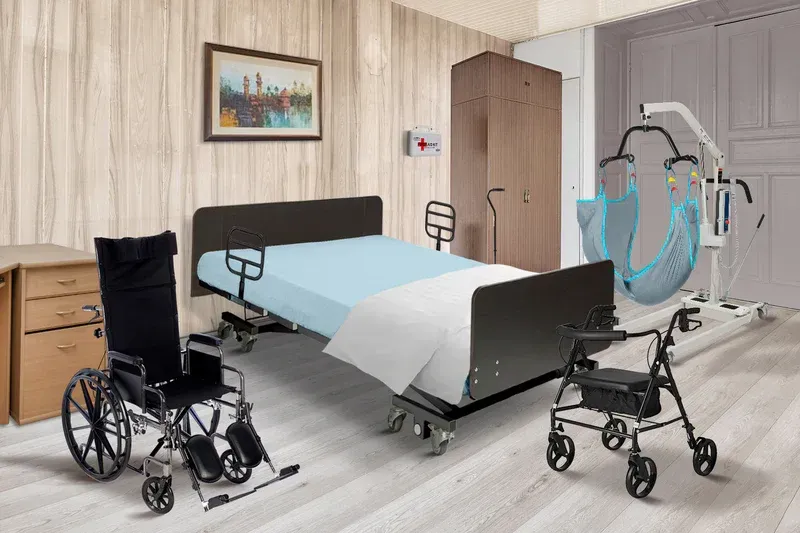
Some seniors may question how they can integrate such practices into their daily lives. The answer lies in making small, consistent adjustments. Start with gentle exercises, such as brisk walking or basic strength training moves, and gradually increase intensity as comfort and confidence grow. Organizations offering Mobility Solutions The Hills can provide valuable support in finding the right equipment and guidance.
In conclusion, aging does not have to mean losing strength and muscle. By embracing walking, strength training, and flexibility exercises, individuals can defy traditional aging narratives and enjoy vigorous, independent lives. The journey toward strength is not merely about physical health—it's about fostering a vibrant, active existence that defies age-related limitations.
The Role of Physical Activity in Maintaining Strength
Aging is a natural process that often comes with a decline in muscle mass and strength, a phenomenon known as sarcopenia. While this can affect balance and health, it is not an inevitable fate. By focusing on specific physical activities, we can combat these changes and enjoy sustained vitality. Engaging in regular physical activity is crucial not only for muscle preservation but also for increasing overall health and reducing the risk of falls.
Walking: A Simple Yet Powerful Practice
Walking is one of the most accessible forms of exercise that can help maintain strength as we age. It enhances cardiovascular health, boosts mood, and supports joint flexibility. For instance, a study published in the Journal of Aging Research found that regular walking reduced the incidence of mobility-related issues in older adults by nearly 30%. By incorporating daily walks, individuals can significantly increase their activity level without requiring specialized equipment or training.
The Impact of Strength Training
Strength training is equally important in preventing the loss of muscle and strength. Lifting weights or using resistance bands can build muscle mass and bone density, crucial for preventing injuries and enhancing mobility. The Centers for Disease Control and Prevention (CDC) recommends that adults perform muscle-strengthening activities on two or more days per week to achieve substantial health benefits. This practice not only fortifies muscles but also boosts metabolic rate, aiding in weight management and energy level maintenance.
The Importance of Stretching and Flexibility
Including stretching in a fitness routine aids in maintaining flexibility and range of motion, contributing significantly to balance and coordination. Practices such as yoga or simple daily stretches can alleviate stiffness and prevent injury. Flexibility exercises complement strength and endurance activities, creating a well-rounded program that addresses all aspects of physical health. Embracing such activities underscores the notion in "I want to create an article that points out as we age we don't have to loose strength and muscle and when we make this a priority we have less falls increased health and the importance of walking and strength training and stretching."
For individuals seeking additional support in maintaining mobility and avoiding falls, resources such as Testimonials Mobility Products offer insights and testimonials on effective mobility aids. Leveraging tools and professional guidance can further bolster an individual's effort to age gracefully while maintaining health and vitality.
A senior couple power walking through a sunlit park, each holding a pair of light dumbbells, with vibrant autumn leaves carpeting the ground and stretching bands peeking out from their pockets.
The Power of Movement: Walking, Strength Training, and Stretching
Embracing physical activity as we age is vital to maintaining strength and vitality. By prioritizing activities like walking, strength training, and stretching, we can significantly reduce the risk of falls and enjoy improved health. Walking is an accessible and effective way to keep moving; it enhances cardiovascular health, supports joint mobility, and can be done almost anywhere. Studies indicate that consistent walking routines can improve balance and coordination, crucial factors in preventing falls according to research published by the National Institute of Health.
Strength training, meanwhile, targets muscle maintenance and bone density. Engaging in resistance exercises, such as using light weights or resistance bands, can help preserve and even build muscle mass. This is particularly important as muscles naturally atrophy with age if not regularly used. A study by the Harvard Medical School underscores the importance of muscle strengthening exercises in reducing frailty and maintaining independence as detailed in their health report.
Incorporating stretching routines enhances flexibility and range of motion, vital for overall mobility and injury prevention. Stretching supports muscle recovery after physical exertion and ensures the body remains limber. Programs like yoga or Pilates can provide structured approaches to stretching, catering to varying levels of ability and offering additional balance and mental wellness benefits.
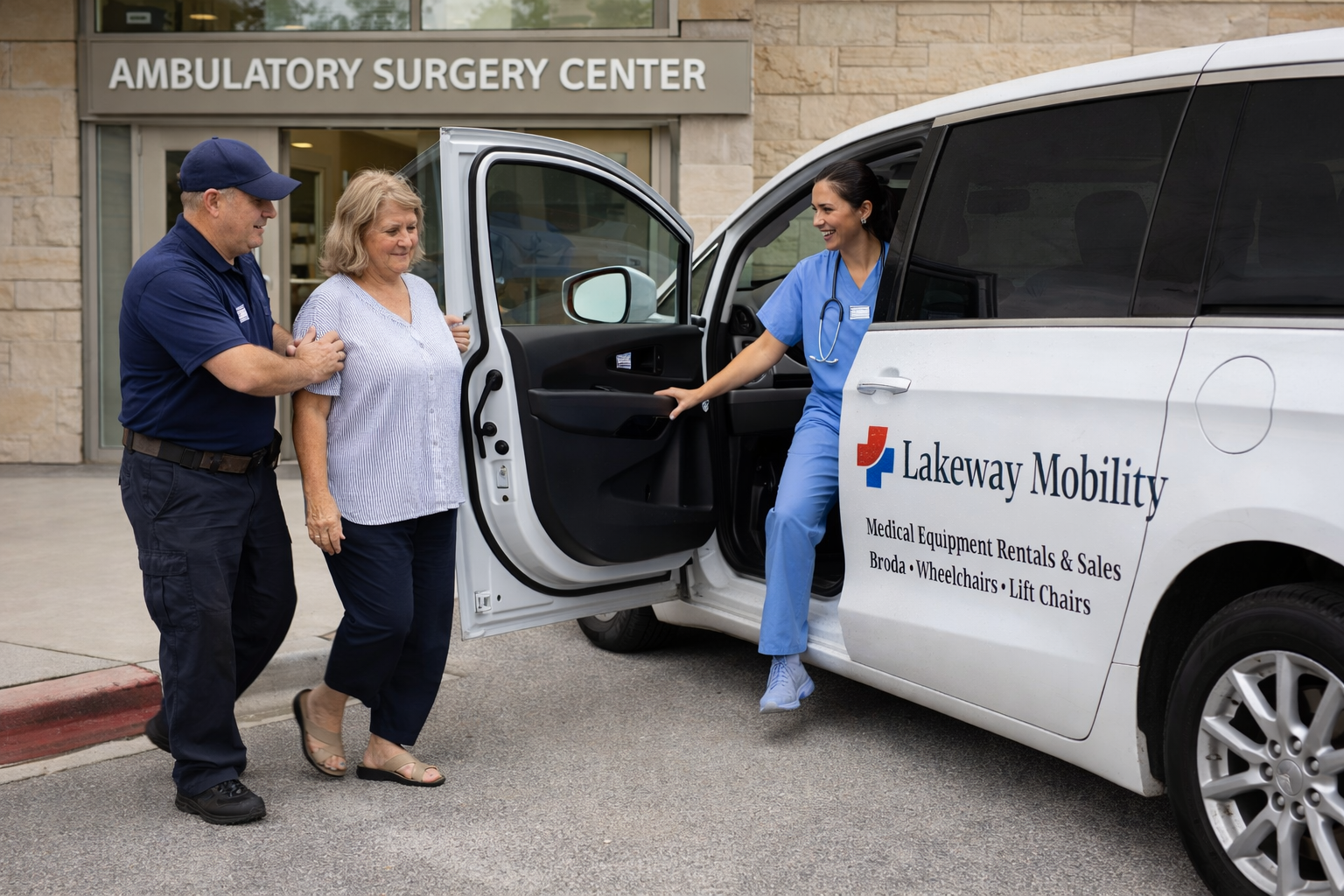
For those seeking additional support in maintaining an active lifestyle, many turn to services like Lakeway Mobility for guidance on mobility products. By utilizing resources designed for elderly care, individuals can access tools and equipment that facilitate safer, more effective exercise routines, enhancing both confidence and independence.
I want to create an article that points out as we age we don't have to lose strength and muscle, and when we prioritize these activities, we unlock benefits like fewer falls and increased well-being. By making walking, strength training, and stretching central to our daily routines, we set the stage for a more dynamic and enriched life, regardless of age.
Maximizing Mobility: Walking, Strength Training, and Stretching in Action
It’s natural to progress from acknowledging that “I want to create an article that points out as we age we don’t have to loose strength and muscle and when we make this a priority we have less falls increased health and the importance of walking and strength training and stretching” into exploring exactly how those elements work in real life—and why each matters. Transitioning smoothly from theory to practice, this section highlights everyday strategies and studies that underscore the transformative power of intentional movement.
Walking as a Foundation of Functional Strength
Everyday walking builds more than stamina—it supports muscle maintenance, joint health, and balance. For instance, stretching routines have been shown to enhance gait performance by improving hip and ankle flexibility, leading to longer stride length and greater walking speed in older adults, which in turn supports safer mobility and reduces fall risk https://www.sciencedirect.com/science/article/pii/S0197457224004610.
Strength Training: A Catalyst for Stability and Longevity
Rather than accepting muscle loss as inevitable, integrating strength training two to three times per week can build muscle mass, enhance bone density, and preserve independence well into older age. Research in American Journal of Preventive Medicine emphasizes that targeted resistance exercises combat frailty and reduce the risk of functional limitations and falls https://doi.org/10.1016/S0749-3797(03)00177-6. Furthermore, grip strength—the simplest measure of muscle power—correlates with a 3% lower fall risk per kilogram increase, partially through better balance https://pubmed.ncbi.nlm.nih.gov/29568795/.
Stretching Complements Movement Efficiency
Including regular stretching enhances flexibility and contributes to smoother, safer walking—which is especially valuable for older adults. A recent meta-analysis found that stretching significantly improved gait speed—a key indicator of health and safety among seniors https://www.sciencedirect.com/science/article/pii/S0197457224004610. This subtle yet meaningful improvement in walking efficiency can reinforce confidence and reduce fall susceptibility.
Real-World Applications and Case Insights
- In a clinical case report involving a 70-year-old woman who experienced multiple falls, an isokinetic strength and balance regimen meaningfully improved her fall risk—demonstrating how focused, individualized intervention works https://pubmed.ncbi.nlm.nih.gov/22976812/.
- A broader practical approach—the LiFE (Lifestyle-integrated Functional Exercise) program—combines strength and balance training into daily routines, such as standing on one leg while brushing teeth. This lifestyle-integrated model has been shown to better sustain engagement and reduce falls among community-dwelling adults over age 70 https://pubmed.ncbi.nlm.nih.gov/19602578/.
By weaving intentional walking, resistance work, and stretching into daily life, individuals can maintain muscle, enhance balance, and reduce fall risk—all while enriching their quality of life. This section builds upon “I want to create an article that points out as we age we don’t have to loose strength and muscle...” by moving from the why into the how, illustrating that with the right practices, age can be met not with decline, but with growing strength and vitality.
A close-up of a senior person's hands gripping a kettlebell in a bright outdoor gym setting, surrounded by greenery with a yoga mat and stretch bands lying nearby on the grass.
Conclusion: Prioritize Your Strength and Mobility
As we age, maintaining strength and muscle mass becomes increasingly important. By prioritizing these aspects, we can significantly reduce the risk of falls and improve overall health. Incorporating walking, strength training, and stretching into our daily routines offers tangible benefits that enhance our quality of life.
The importance of these exercises cannot be overstated. Walking regularly fosters cardiovascular health, while strength training builds muscle and bone density, and stretching preserves flexibility. For example, a study published by the Centers for Disease Control and Prevention (CDC) indicates that adults who engage in regular physical activity have a lower risk of falls, which are a leading cause of injury among older adults. Implementing these practices not only enhances physical robustness but also promotes mental well-being.
For actionable steps, start by setting realistic goals that incorporate a mix of activities you enjoy. Whether it’s a brisk morning walk or a yoga session, consistency is key. It's also crucial to listen to your body and adjust your routine to suit your personal health needs. Consulting with experts or joining community groups can provide additional guidance and motivation.
For those seeking further support, Lakeway Mobility offers a range of services designed to assist you in achieving these goals. With professional advice and personalized programs, you can confidently embark on a journey to enhanced mobility and health.
Take the first step today by integrating activities that enhance strength and prevent muscle loss into your daily life. Remember, by making this a priority, you'll not only have fewer falls and increased health but also embrace a vibrant and dynamic lifestyle as you age.
Tracie Slaoui, RN, BSN, CCM
Owner | Lakeway Mobility PLLC
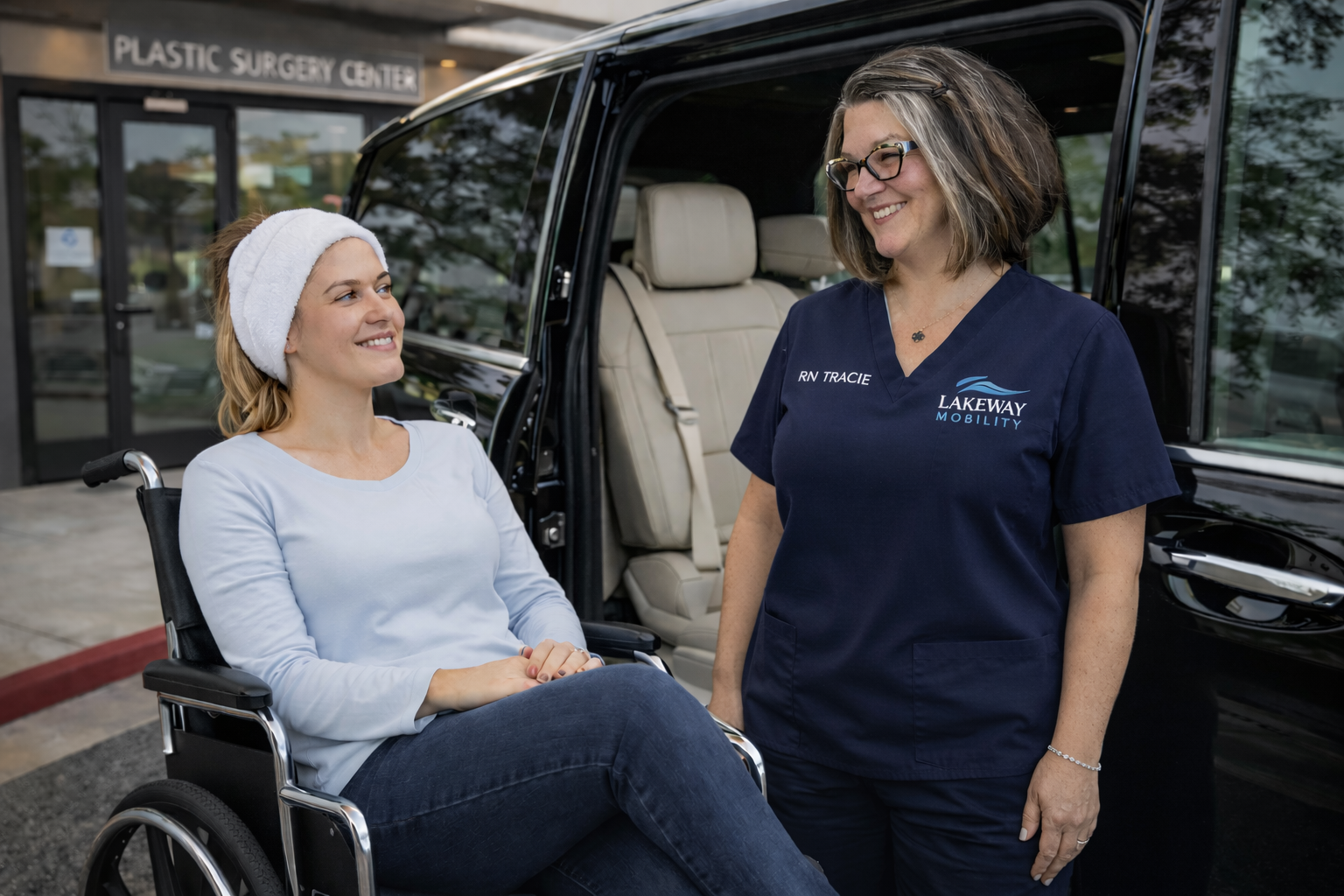
As a registered nurse with more than 30 years of healthcare experience, Tracie is passionate about helping older adults maintain independence, mobility, and quality of life. Through Lakeway Mobility, she advocates for safe transportation, healthy aging, fall prevention, and the importance of staying strong and active at every stage of life.
📍 Serving Lakeway, Austin, and Central Texas
📞 512-770-1020
🌐 www.lakewaymobility.net