Avoid the Top 3 Family Mistakes After a Medical Event in Austin
Tracie Slaoui • March 19, 2026
The 3 Biggest Mistakes Families Make After a Medical Event (And How to Avoid Them in Austin)
Experiencing a medical event is overwhelming, and families often struggle with the immediate aftermath. During this crucial period, avoiding common pitfalls can make a significant difference. In Austin, where healthcare options are abundant and choices can feel overwhelming, being informed is essential.
The consequences of mismanaging post-medical event care can be daunting. Imagine a family hastily choosing a care solution without adequate research, only to realize it lacks necessary support—causing stress for both the patient and caregivers. This scenario is more common than many realize, highlighting the importance of informed decision-making.
According to the Centers for Disease Control and Prevention (CDC), navigating post-hospital care has become increasingly complex, with many families unsure of the best steps to ensure a comprehensive recovery. This complexity is often heightened by emotional stress, which can lead to rushed decisions that may not serve the patient’s best interests.
A common mistake is misjudging the type or level of care needed. The difference between requiring mobility assistance and more intensive care can be nuanced. To address these needs accurately in Austin, it’s vital to evaluate available services and understand what each offers. One effective solution is exploring local options for mobility transportation, which can provide essential support and accessibility.
Another frequent error is overlooking financial support or assistance programs. Many families are unaware of available resources that can help ease the financial burden. Navigating these options—both federal and local—often requires guidance from experienced professionals.
Lastly, communication often breaks down when families do not maintain open, consistent dialogue with healthcare providers. Regular updates, a clear understanding of the recovery process, and proactive discussions about potential complications are key to avoiding unnecessary hospital readmissions. This level of communication is strongly supported by experienced registered nurses who work closely with patients and families across diverse care settings.
Lack of Comprehensive In-Home Care Planning
In the wake of a medical event, transitioning from hospital to home requires more than basic care. Many families underestimate the importance of a comprehensive in-home care plan, which is essential for a smooth recovery. Without proper planning, patients may face unnecessary challenges that can delay healing or lead to setbacks.
Understanding Patient Needs
A clear understanding of the patient’s specific needs is critical. This includes evaluating mobility, nutrition, medication management, and cognitive support. Studies show that patients with structured home care plans experience significantly improved recovery outcomes. Establishing these elements ensures that each aspect of care is addressed and helps reduce the likelihood of readmission.
Meeting Mobility Challenges
Mobility challenges are one of the most common barriers during recovery. Ensuring the home environment is equipped with appropriate mobility aids is essential. In Austin, families can benefit from services that offer customized equipment solutions, including rentals tailored to individual needs. Addressing these physical barriers promotes both independence and faster recovery.
Coordinating Professional Support
Integrating professional support can significantly enhance in-home care. Engaging home health aides, nurses, or therapists ensures the patient receives expert, personalized care. These professionals not only improve outcomes but also reduce the burden on family members. Research shows that families who utilize professional caregivers often see fewer complications and improved recovery timelines.
Overall, avoiding insufficient in-home care planning requires proactive coordination with healthcare providers, a thorough understanding of patient needs, and effective use of available resources. When done well, it creates a supportive environment that fosters healing and stability.
Understanding Documentation and Communication Challenges
After a medical event, families often face overwhelming challenges related to documentation and communication. One major mistake is failing to maintain organized records of appointments, treatment plans, and medications. This can lead to confusion and gaps in care.
To avoid this, families should implement a structured system for managing medical documentation. Digital tools or apps can simplify storage and access, while keeping records consistently updated. Bringing a notebook or device to appointments to document key details can also improve clarity and continuity of care.
Effective communication with healthcare providers is equally critical. Some families benefit from working with local services, such as transportation providers who understand the healthcare landscape and can help coordinate logistics and communication across care teams.
Designating a single family member as the primary point of contact can further reduce confusion. This person attends appointments, asks questions, and ensures that all care instructions are clearly understood and followed. Centralizing communication helps ensure consistency and reduces the risk of errors.
Addressing these documentation and communication gaps significantly improves the overall care experience and helps ensure patients receive safe, coordinated treatment.
Building a Strong Post-Discharge Safety Net
The transition from hospital to home is one of the most vulnerable phases of recovery. Without a structured safety net, even small oversights can lead to complications or readmissions.
Structured Follow-Up Communication
A common mistake is assuming care ends at discharge. Proactive follow-up—such as phone calls or virtual check-ins within 24–72 hours—can identify early warning signs. Including caregivers in these conversations improves understanding, adherence, and confidence in managing care at home.
Coordinated Care Across Providers
Fragmented care is another frequent issue. Patients are often transitioned between multiple providers without clear coordination. Best practices include scheduling follow-ups before discharge, assigning a care coordinator, and ensuring all providers have access to shared medical information. This reduces errors and improves outcomes.
Empowering Families with Digital Tools
Digital patient portals and communication platforms can help families manage complex care plans more effectively. Access to real-time updates, instructions, and messaging tools allows caregivers to stay informed and respond quickly when concerns arise.
These strategies reinforce the core message of “The 3 Biggest Mistakes Families Make After a Medical Event (And How to Avoid Them in Austin)”—highlighting the importance of follow-up, coordination, and empowered caregiving.
Conclusion: Ensuring a Smooth Path Forward
Avoiding common post-medical event pitfalls requires planning, awareness, and access to the right resources. While the process can feel overwhelming, informed families are better equipped to support recovery and improve outcomes.
Clear communication is the foundation. Ensuring all family members understand the care plan—medically, emotionally, and logistically—prevents confusion and strengthens support systems.
Equally important is leveraging available resources. In Austin, local healthcare services and support systems can provide valuable guidance during recovery. These resources help families make informed decisions and avoid common missteps.
Reflecting on “The 3 Biggest Mistakes Families Make After a Medical Event” builds both awareness and confidence—especially when guided by the perspective of an experienced RN. Recognizing these patterns allows families to take proactive steps toward better outcomes.
For families in the Austin area, professional support can make a meaningful difference. Lakeway Mobility offers RN-led transportation and equipment solutions designed to simplify transitions and support recovery.
In summary, while recovery can be challenging, informed and proactive families can navigate it successfully. By strengthening communication, utilizing resources, and seeking the right support, families create a safer, more stable path forward.
Tracie Slaoui, RN, BSN
Founder, Lakeway Mobility
RN-Led Medical Transport & Equipment Solutions
📍 Austin, Texas
📞 512-770-1020
🌐 LakewayMobility.net

Need a safe ride home after surgery? Learn why professional post-surgical transportation can be a better choice for patients in Austin, Lakeway and Westlake.
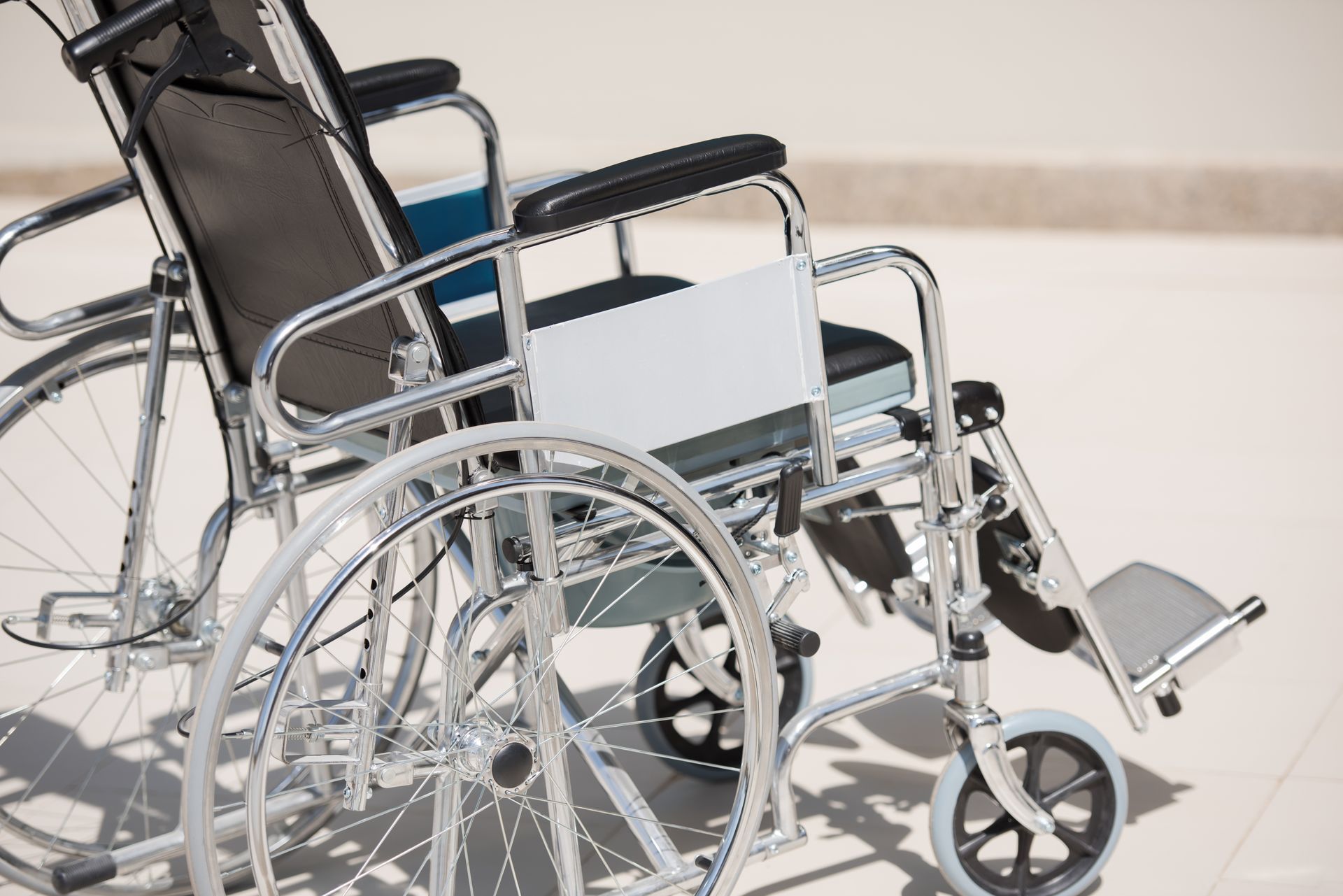
Need outpatient medical transportation services in Austin, TX, after surgery? Lakeway Mobility provides RN-led NEMT for safe discharge. Call today.
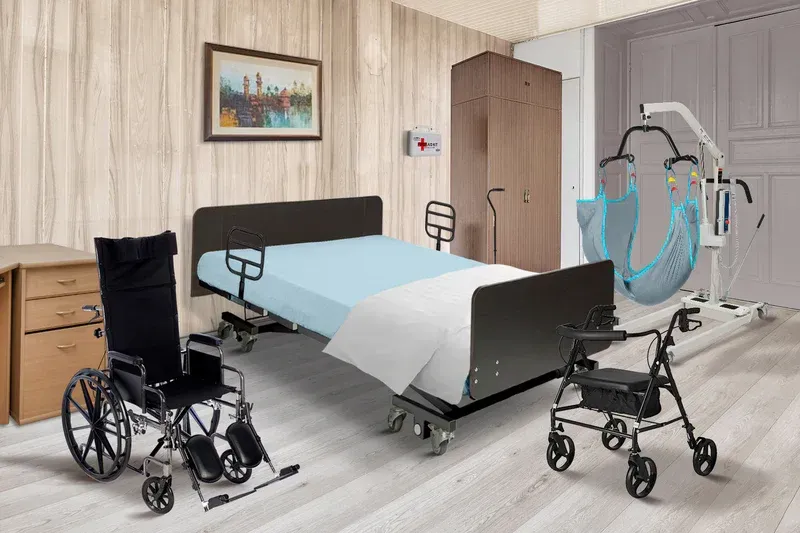
Need medical equipment after hospital discharge? Lakeway Mobility provides fast DME delivery, rentals and mobility equipment throughout Austin, Texas.
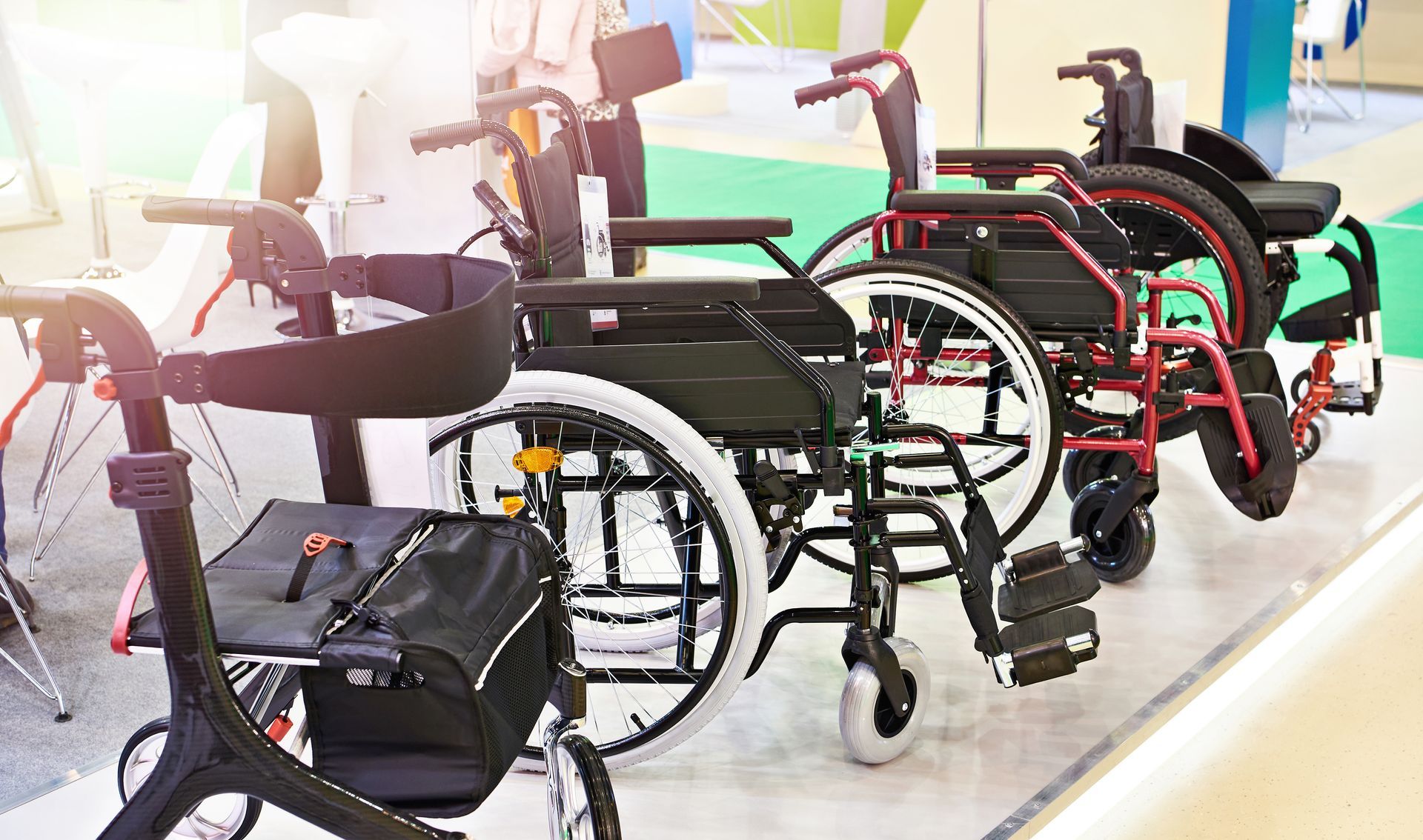
Compare renting vs. buying medical equipment for sale in Austin, TX. Lakeway Mobility offers both options with expert guidance. Call today.

The Critical Transition: From Hospital to Home
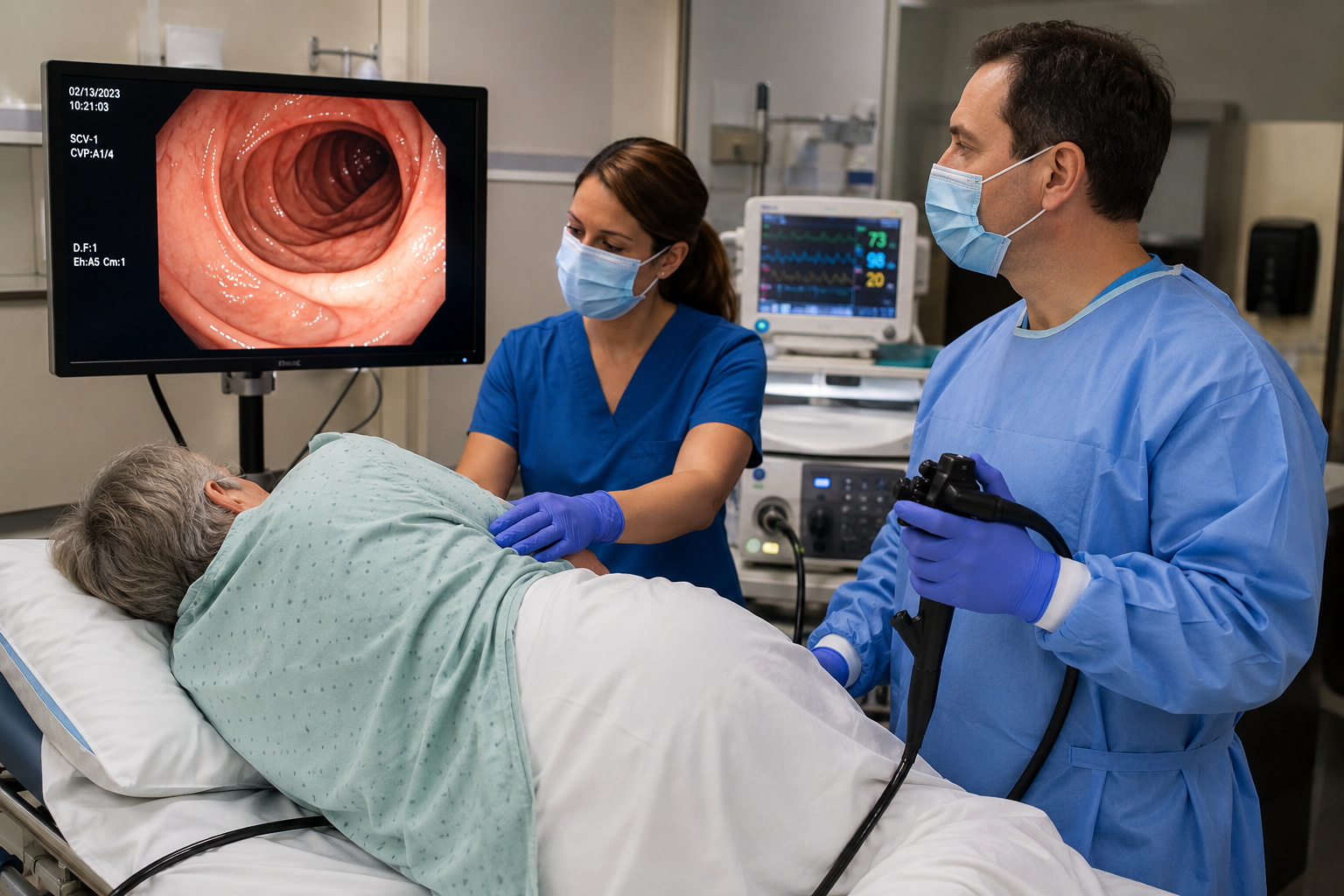
Choosing the Right Surgeon: A Multifaceted Approach

Many patients assume their insurance will cover transportation to and from medical appointments, rehabilitation facilities, or hospital discharges. Unfortunately, coverage limitations, pre-authorization requirements, and policy exclusions often result in unexpected out-of-pocket expenses. Understanding how insurance co

Maintaining Strength and Stability as We Age | Lakeway Mobility
From hospital discharge to home setup, Lakeway Mobility provides wheelchair transport, medical equipment, and RN oversight in Austin, TX—making recovery safe and seamless.
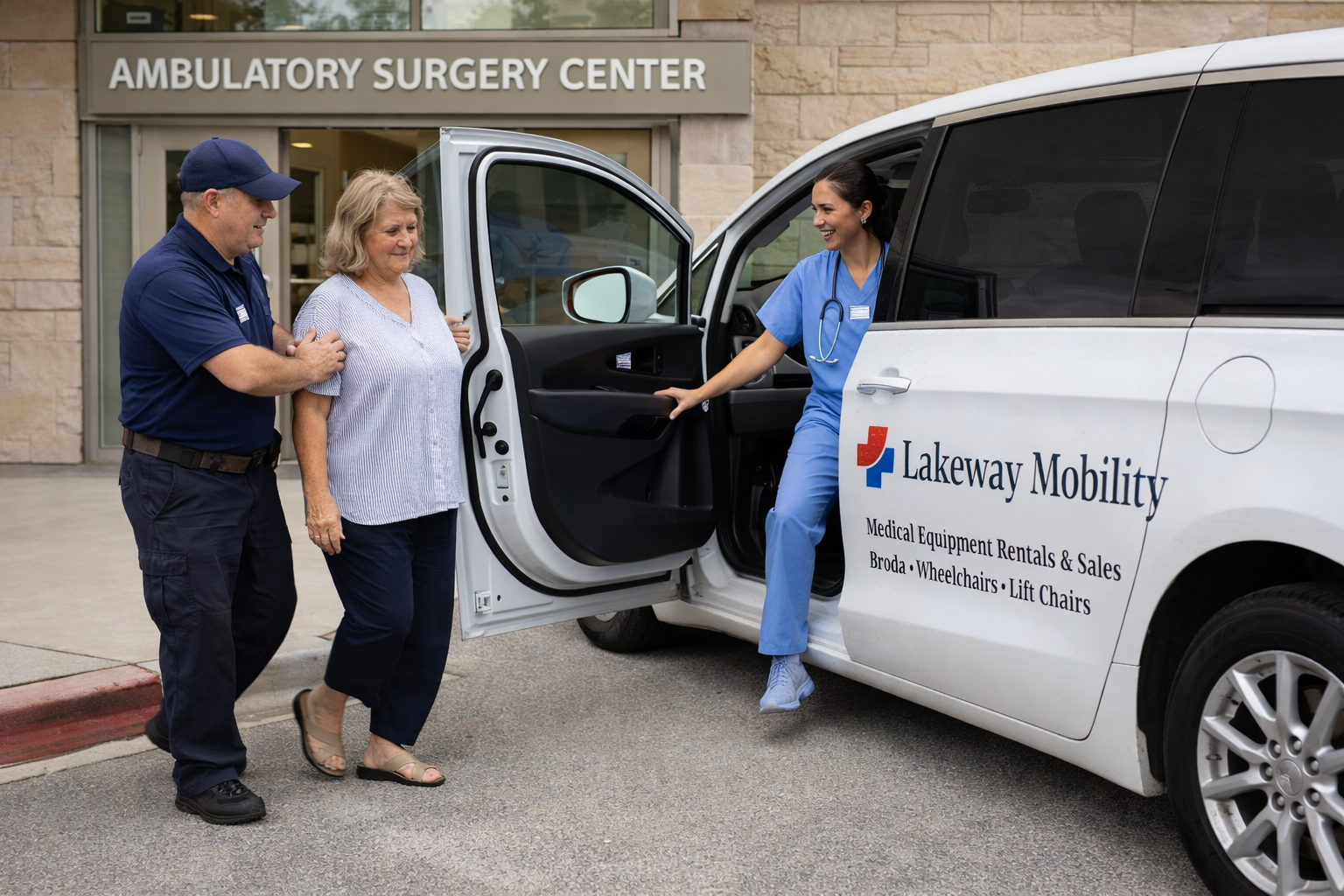
Planning an outpatient procedure in Lakeway or Austin? Lakeway Mobility provides safe wheelchair, Broda chair, and medical transportation for patients leaving surgical centers.