How Quickly Can Medical Equipment Be Delivered After Hospital Discharge? A Comprehensive Guide
Introduction
As patients transition from hospital to home, one vital question stands out: how quickly can medical equipment be delivered after hospital discharge? Ensuring timely delivery of necessary medical devices is crucial for a smooth recovery process. However, the success of this transition largely hinges on proactive discharge planning, which ideally should begin well before the patient arrives home.
The importance of discharge planning can't be overstated. Early planning ensures that all necessary arrangements are in place before the patient leaves the hospital. Consider a scenario where a patient recovering from orthopedic surgery requires a hospital bed at home. If the discharge plans are initiated late, any delay in the delivery of necessary equipment could lead to discomfort or even setbacks in recovery. A well-coordinated plan ensures the patient's home environment is equipped to meet their immediate needs, minimizing stress and potential health risks.
Studies reveal that early discharge planning can significantly reduce the duration of hospital stays, thereby lowering healthcare costs and enhancing patient satisfaction. According to a comprehensive study by the Commonwealth Fund, robust discharge plans reduce readmission rates. This underscores the value of effective planning in ensuring that medical equipment is delivered promptly after discharge.
Apart from timing, efficient discharge planning addresses various aspects, such as insurance verification and coordination with medical equipment suppliers. Such considerations guarantee that financial and logistical barriers are minimized, thus promoting a smoother transition to home care. Moreover, healthcare providers are tasked with educating patients and caregivers about the equipment's usage, which forms a crucial part of the discharge process.
For those navigating this transition, understanding the difference between renting and purchasing medical equipment can also be crucial. Resources like the article on Rent Vs Buy Medical Equipment Austin 2026 provide valuable insights into making informed decisions. By thoroughly understanding their options, patients and caregivers can make choices that best fit their recovery journey and financial circumstances.
In conclusion, the time it takes to deliver medical equipment post-discharge is inherently linked to the effectiveness of discharge planning. Starting this process early not only assures the timely availability of necessary tools but also contributes significantly to the patient's overall well-being. This proactive approach transforms the discharge experience from a potential burden into a seamless transition, paving the way for optimal recovery.
The Importance of Early Discharge Planning
The journey to recovery doesn't conclude at hospital discharge; it merely transitions to the next phase. Effective discharge planning must commence well before the patient arrives home to ensure a smooth transition. By anticipating the patient's needs, healthcare providers can address potential challenges, alleviating stress on both patients and their families.
Anticipating Needs for a Seamless Transition
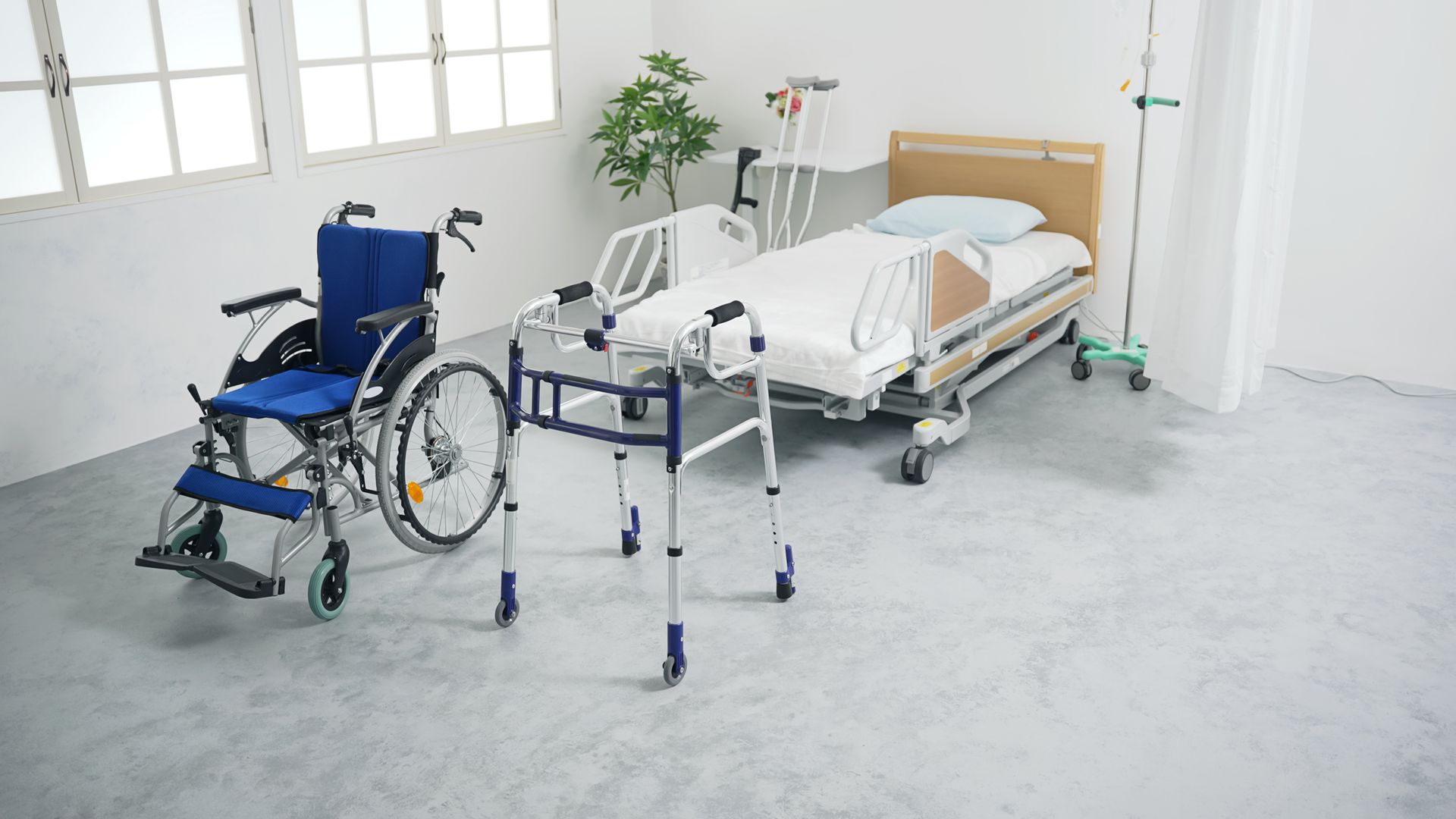
When it comes to how quickly medical equipment can be delivered after hospital discharge, early planning becomes crucial. Healthcare professionals often face tight timelines to coordinate the delivery of necessary equipment, such as hospital beds or mobility aids. Initiating plans while the patient is still under hospital care allows time to navigate logistical challenges, ensuring everything is in place by the time the patient arrives home. This foresight can prevent unnecessary delays, facilitating a more effective recovery process.
Reducing Hospital Readmissions
Proactive discharge planning plays a significant role in minimizing hospital readmissions. Equipping patients with the right medical tools and knowledge can significantly impact their recovery outcomes. For instance, a patient recovering from surgery with inadequate mobility aids might suffer setbacks, potentially leading to readmission. According to a study by the National Center for Biotechnology Information, effective discharge planning can reduce readmission rates by as much as 16%.
Enhancing Patient Empowerment and Confidence
Patients who understand their recovery plan and have their post-discharge needs met tend to feel more empowered. This sense of control and preparedness boosts their confidence in managing their health independently. For example, providing detailed instructions on using equipment like electric patient lifts not only facilitates physical care but also contributes to psychological well-being.
For further insights into how tailored equipment can assist post-discharge, visit Hospital Bed Equipment.
Engaging Family and Caregivers
Discharge planning isn't solely the responsibility of health professionals; it also involves family and caregivers. Involving them early prepares them to support the patient effectively. This collaborative approach ensures that everyone involved understands the patient's needs, reducing confusion and enhancing support during recovery.
Starting discharge plans as early as admission equips patients and their caregivers with the tools they need for a successful transition, impacting recovery positively and sustaining long-term health outcomes.
A neatly organized row of medical equipment like crutches, a wheelchair, and oxygen tanks, lined up on a sunny residential porch, ready for delivery with a backdrop of a well-kept garden.
Why Discharge Planning Should Start Early
Discharge planning is a crucial component of a patient's healthcare journey and should ideally begin well before the patient arrives home. Starting this process early ensures not only a smooth transition but also timely access to necessary medical equipment. By engaging in proactive discharge planning, healthcare providers can identify potential challenges and address them in advance, reducing the risk of complications or readmission.
The Role of Healthcare Providers
Effective discharge planning involves a multidisciplinary approach, where doctors, nurses, and social workers collaborate to create a comprehensive care plan. This includes evaluating the patient’s needs for medical equipment, such as wheelchairs or oxygen supplies, and coordinating with suppliers to ensure items are delivered promptly, often on the same day of discharge. Planning ahead allows professionals to anticipate any delays in delivery due to logistics, availability, or insurance authorizations.
Cost and Resource Management
Early discharge planning also plays a significant role in managing healthcare costs and resources. According to a study by the National Library of Medicine, well-structured discharge plans can significantly reduce hospital readmissions and emergency room visits, ultimately saving costs for both healthcare systems and patients. Facilities like Lakeway Mobility offer streamlined services that can be woven into early planning, helping to address mobility needs efficiently.
Meeting Patient Preferences
Understanding and honoring patient preferences is a vital aspect of discharge planning. Initiating conversations early allows healthcare teams to tailor discharge strategies according to the patient's home environment and personal circumstances. This may include customizing equipment recommendations or arranging home modifications, ensuring that once the patient is discharged, they return to a supportive and accessible environment.
Ultimately, the question of how quickly can medical equipment be delivered after hospital discharge? hinges greatly on early and effective discharge planning. By anticipating needs and involving all relevant parties from the outset, it is possible to facilitate faster delivery and better outcomes, contributing to a more seamless transition home for patients.
Importance of Early Discharge Planning
The process of discharge planning plays a crucial role in determining how quickly medical equipment can be delivered after hospital discharge. Beginning this planning before the patient arrives home ensures that all necessary arrangements are in place, facilitating a smooth transition from hospital to home care. Early planning involves a multidisciplinary approach where healthcare providers, the patient, and their family work together to identify the specific needs and potential challenges the patient may face post-discharge.
By starting the planning process early, hospitals can anticipate the precise equipment requirements, such as oxygen tanks, mobility aids, or specialized beds. For instance, if a patient recovering from an orthopedic surgery will require a wheelchair, this information can be communicated to the equipment suppliers ahead of time. This proactive communication allows suppliers to check inventory, coordinate logistics, and ensure timely delivery, thereby minimizing any potential delays. According to the CDC’s National Health Statistics Report, forward planning can significantly reduce the risk of readmission by preparing the home environment adequately.
Enhanced Coordination and Communication
Effective discharge planning requires enhanced coordination and communication between hospital staff and external suppliers. Establishing clear lines of communication ensures that each party is informed of their roles and responsibilities. For example, a discharge coordinator may liaise with a medical equipment provider to finalize the delivery schedule well in advance of the discharge date. This streamlined process not only accelerates delivery but also reduces stress for both the patient and their family during the transition period.
Furthermore, healthcare providers must consider the patient's living circumstances. Factors such as home accessibility, the availability of caregivers, and the patient’s ability to use the equipment independently must be taken into account. Addressing these considerations early on allows for modifications or additional training to be arranged as needed. A study by the Agency for Healthcare Research and Quality highlights that comprehensive discharge planning contributes to better patient outcomes and satisfaction.
Preventing Unforeseen Challenges
Starting discharge planning before the patient arrives home is essential to prevent unforeseen challenges. Unexpected delays in equipment delivery can lead to significant complications, particularly for patients requiring immediate medical interventions at home. For instance, patients with chronic respiratory conditions may face significant health risks if oxygen supply is delayed. By predicting these needs and setting plans in motion early, hospitals can mitigate risks and ensure that critical equipment is available precisely when needed.
Ultimately, early discharge planning is indispensable for facilitating how quickly medical equipment can be delivered after hospital discharge. Proactive measures, robust communication, and collaboration between healthcare providers and suppliers ensure a seamless transition for patients, enhancing recovery and reducing the likelihood of readmission.
A delivery van parked at the curb of a suburban home, with a healthcare professional unloading a portable hospital bed and a set of adjustable walking aids onto the driveway, under a clear blue sky.
Conclusion: Effective Discharge Planning for Seamless Medical Equipment Delivery
As highlighted throughout this discussion, understanding how quickly medical equipment can be delivered after hospital discharge is pivotal to ensuring a smooth transition for patients returning home. Initiating discharge planning before the patient even leaves the hospital is essential for timely delivery of necessary medical equipment. This proactive approach helps mitigate potential gaps in care that could disrupt the patient's recovery process.
Discharge planning should involve a comprehensive assessment of the patient's ongoing needs, a detailed understanding of their home environment, and a collaborative effort among healthcare providers, patients, and their families. For instance, coordinating with suppliers to ensure that necessary items like hospital beds, walking aids, or oxygen equipment are ready and waiting upon the patient's return can reduce hospital readmission rates and promote a safer, more efficient healing environment.
Real-world cases underline the importance of this proactive planning. Consider the example of a patient recovering from hip replacement surgery. A delay in delivering mobility aids such as crutches or walkers could severely impact their rehabilitation process. By starting the equipment procurement process while the patient is still hospitalized, healthcare professionals can ensure a continuity of care, providing peace of mind to both the patient and their family.
Using reliable services and resources like Lakeway Mobility can further streamline this process. They offer an array of solutions for medical equipment delivery tailored to meet diverse needs, ensuring that patients receive timely and effective support. Exploring such options can make a significant difference in patient outcomes and satisfaction, offering customized setups and providing knowledgeable support staff for guidance.
Ultimately, the key takeaway from this in-depth discussion is the need to prioritize early discharge planning to address how quickly medical equipment can be delivered after hospital discharge. With the proper steps, healthcare providers can facilitate a seamless transition that prioritizes patient safety, comfort, and recovery, underscoring the critical role that effective planning and reliable partnerships play in modern healthcare.
About the Author
Tracie Slaoui, RN, BSN, CCM
is the founder of Lakeway Mobility, an RN-led Austin-area company providing non-emergency medical transportation and durable medical equipment sales and rentals. Her focus is helping patients and families navigate the often-overlooked transition from healthcare facility to home safely and with the right support in place.