How Reliable Medical Transportation Improves Elder Health and Reduces Missed Appointments
Tracie Slaoui • February 24, 2026
Introduction
As the population ages, ensuring access to reliable medical transportation becomes crucial for promoting elder health and reducing missed appointments. Access to healthcare often hinges on the ability to travel safely and efficiently, yet many seniors face significant barriers when it comes to transportation. These challenges can lead to missed appointments, delayed treatments, and ultimately, deteriorating health conditions. This article explores the vital role that dependable transportation plays in enhancing elder health outcomes and minimizing healthcare disruptions.
The Importance of Reliable Transportation
For elderly individuals, timely access to medical services is a significant determinant of health outcomes. Studies indicate that lack of transportation leads to delayed or missed medical appointments, which can exacerbate chronic conditions and lead to costly hospital readmissions. According to research published in the American Journal of Public Health, approximately 3.6 million patients miss or delay medical appointments each year due to transportation issues. Providing a reliable mode of transportation can directly translate into improved access to care, adherence to prescribed medical regimens, and overall better health outcomes for older adults.
Case Studies Highlighting Success
One notable example of effective medical transportation can be seen in a community-based program in New York City, which helped reduce missed appointments by 25% among elderly Medicaid recipients by offering dedicated transportation services. Similarly, the implementation of specialized mobility services in rural areas of Texas has shown significant improvements in healthcare access. Programs like these not only decrease the rate of missed appointments but also help in maintaining a continuous care regimen, crucial for managing elder health conditions.
These initiatives highlight how reliable medical transportation can bridge the gap between healthcare providers and older adults, fostering a system where seniors receive timely and continuous care. For those interested in exploring mobility options for seniors, the Schedule Mobility Transportation page offers insights into available services.
Conclusion
Recognizing transportation as a critical component in elder healthcare is essential for policy makers, healthcare providers, and communities. By investing in effective transportation solutions, stakeholders can ensure that seniors receive the care they need, ultimately enhancing their quality of life and reducing the burden on healthcare systems. As we delve deeper into this subject, the positive impacts of reliable medical transportation on elder health and appointment management will become increasingly clear.
Improving Elder Health Through Reliable Transportation
A consistent and dependable transportation system plays a vital role in enhancing elder health by ensuring timely access to medical care. Regular medical appointments, whether for chronic disease management or routine checkups, are essential for maintaining health and well-being in older adults. When transportation is unreliable, seniors may delay or miss these appointments, potentially leading to deteriorating health conditions. With services that prioritize reliability, older adults can access healthcare facilities without stress or delays, allowing them to receive timely medical attention.
Case Study: Impact of Consistent Transportation
Consider the case of a suburban community in Ohio, where a new transportation service was introduced explicitly for senior medical visits. According to local reports, missed appointments due to transportation issues decreased by over 40% after the introduction of this service. This significant reduction underscores how reliable medical transportation improves elder health outcomes by reducing logistical barriers to care. The risk of exacerbating health problems due to missed appointments is minimized, leading to better disease management and overall health.
Enhancing Quality of Life and Reducing Healthcare Costs
Reliable medical transportation not only improves health outcomes but also enhances the quality of life for seniors. By providing a sense of independence, elders can actively participate in their healthcare decisions. This empowerment can lead to improved mental health and decreased feelings of isolation—a common issue among seniors. Furthermore, reducing missed appointments helps lower healthcare costs by preventing emergency room visits resulting from unmanaged health conditions. The economic benefits are evident both for individual elders and the healthcare system at large.
The initiative in Ohio shows the transformative effect that well-coordinated transportation services can have on community health. For further insights on effective mobility solutions, consider exploring Mobility Solutions The Hills which delves into innovative approaches for transportation and elder care.
The Role of Technology in Transportation Services
Innovative technologies now play a crucial role in enhancing the reliability and efficiency of transportation services for elders. Mobile apps and GPS tracking offer real-time updates and ensure safe and predictable travel for seniors. These technological advancements are pivotal in reducing anxiety around missed or delayed appointments, setting a higher standard for elder care transportation solutions. According to a 2022 study by the National Aging and Disability Transportation Center, integrating technology into transport services increased user satisfaction by 30% (source).
A senior-friendly shuttle bus parked outside a medical center, equipped with a wheelchair lift, featuring clear signage for elder transportation services.
Enhanced Accessibility and Its Impact on Elder Health
Ensuring reliable medical transportation directly supports elder health by boosting their access to necessary healthcare services. Transportation challenges can be a significant barrier, often causing missed medical appointments that lead to deteriorating health conditions. By improving accessibility, older individuals can adhere to their prescribed medical regimens and consult healthcare providers regularly, which is critical for managing chronic conditions and improving overall well-being.
Case Study: Improved Health Outcomes
In a study conducted by the National Academy of Sciences, it was found that elders with dependable transportation options showed a 20% improvement in managing chronic diseases such as diabetes and hypertension [Source]. This improvement is largely attributed to sustained healthcare access, enabling continuous monitoring and early intervention. Without reliable transport, these patients often miss essential check-ups, leading to avoidable complications and hospitalizations.
Real-World Application: Lakeway Mobility
Service providers like Lakeway Mobility demonstrate how dedicated transportation services can significantly impact elder care. Offering specially equipped vehicles and trained personnel, these services ensure elderly passengers travel comfortably and securely to medical appointments. This level of accessibility reduces the risk of missed visits and enhances adherence to treatment plans.
Actionable Insights for Healthcare Providers
Healthcare providers can further enhance patient outcomes by partnering with reliable transportation services like Lakeway Mobility. Simplifying the logistics of travel alleviates stress and combats the socio-economic barriers that often hinder elder care. It also fosters a more patient-centric approach, ensuring that crucial appointments are prioritized and attended, thereby improving health outcomes and patient satisfaction.
Furthermore, integrating technology to optimize scheduling and reduce waiting times can contribute to this effort. Coordinated systems that align patient appointments with transportation schedules ensure efficient and timely access to care. As transportation barriers diminish, a noticeable decline in missed appointments becomes evident, directly illustrating how reliable medical transportation improves elder health and reduces missed appointments.
Enhancing Health Outcomes Through Reliable Medical Transportation
Ensuring seniors consistently attend medical appointments often begins with addressing transportation reliability. In many rural and underserved areas, the distance to healthcare hubs is significant—rural residents, on average, travel more than 17 miles to reach care, compared to just over 8 miles for urban counterparts—making dependable transportation essential to maintain continuity of care and disease management Rural Health Information Hub.
Reducing Missed Appointments and Improving Chronic Disease Management
In contexts where transportation is unreliable, elderly patients with chronic conditions like diabetes or heart disease are especially affected. For instance, in Delaware, people who gained access to brokered non-emergency medical transportation (NEMT) saw improved healthcare utilization and lowered hospital admissions and costs—particularly notable among diabetic patients MDPI. Reliable transport supports timely preventive care and regular screenings, reducing the chance of complications and emergency interventions over time.
Alleviating Financial and Social Strains
Reliable transportation alleviates not only logistical challenges but also emotional and financial burdens. Many older adults live on fixed incomes and face difficult trade-offs: foregoing an appointment due to the cost of a ride can exacerbate health issues. Programs like North Carolina’s TRIP (Transporting Residents with Innovative Practices) offer free, individualized rides to necessary appointments and have led to improved attendance and reduced stress among rural seniors Wikipedia. These services show how thoughtful solutions can enhance both health outcomes and quality of life.
Actionable Insights for Healthcare Providers and Communities
Partner with local NEMT providers to schedule regular shuttles aligned with clinic hours, improving accessibility for routine and specialized appointments.
Offer subsidies or vouchers for low-income seniors to reduce the financial barrier of transportation.
Implement ride coordination systems that bundle trips for seniors attending multiple healthcare visits in one outing.
Track appointment adherence data to measure transportation program impact and adjust scheduling or route planning accordingly.
These strategies dovetail with broader goals of enhancing service delivery and ensuring that the benefits of How Reliable Medical Transportation Improves Elder Health and Reduces Missed Appointments are fully realized. By prioritizing transport access, healthcare systems can reinforce preventive care, reduce emergency dependency, and promote long-term wellness.
A group of elderly individuals board a brightly colored van marked with a medical cross, parked in a leafy suburban neighborhood, showcasing accessibility features like step assists and handrails.
Conclusion: The Impact of Reliable Medical Transportation on Elder Health
In understanding how reliable medical transportation improves elder health and reduces missed appointments, it's clear that the benefits extend beyond mere convenience. With access to dependable transportation, seniors can maintain their health proactively by attending scheduled appointments and receiving timely care. This ensures not only their physical well-being but also their mental health, as staying engaged with the healthcare system helps alleviate anxiety about missing essential treatments.
Reliable medical transportation services also contribute significantly to reducing healthcare costs associated with emergency care and rehospitalization. When seniors miss appointments, minor health issues can escalate into emergencies, necessitating costly interventions. By ensuring consistent attendance at medical appointments, these services help prevent such costly scenarios, ultimately benefiting both individuals and the broader healthcare system.
Real-life examples underscore the significance of transportation in health outcomes. For instance, a study by the American Journal of Public Health highlighted that providing reliable transportation to the elderly decreased hospital admissions by 21% and emergency visits by 27% (AJPH Journal). These statistics demonstrate the profound impact of accessing regular, non-emergent medical care.
For families seeking to ensure the health and well-being of their elderly members, partnering with a reliable medical transportation provider is crucial. Organizations like Lakeway Mobility offer specialized services tailored to meet the needs of seniors, focusing on safety, comfort, and accessibility. By choosing a trusted partner, families can rest assured that their loved ones will access the care they need timely and reliably.
In conclusion, investing in dependable medical transportation translates to myriad benefits for elders, fostering independence and health while reducing the likelihood of missed appointments. For those considering options, exploring the services offered by experts such as Lakeway Mobility can serve as the first step toward ensuring a healthier future for your loved ones. By prioritizing accessibility and regular healthcare engagement, we enhance not only individual health outcomes but also contribute to a more sustainable healthcare system.
Nurse Tracie Slaoui, RN, BSN, CCM
Founder, Lakeway Mobility
RN-Led Non-Emergency Medical Transportation & Care Coordination
Austin & Surrounding Communities
📞 512-770-1020
🌐 www.lakewaymobility.net
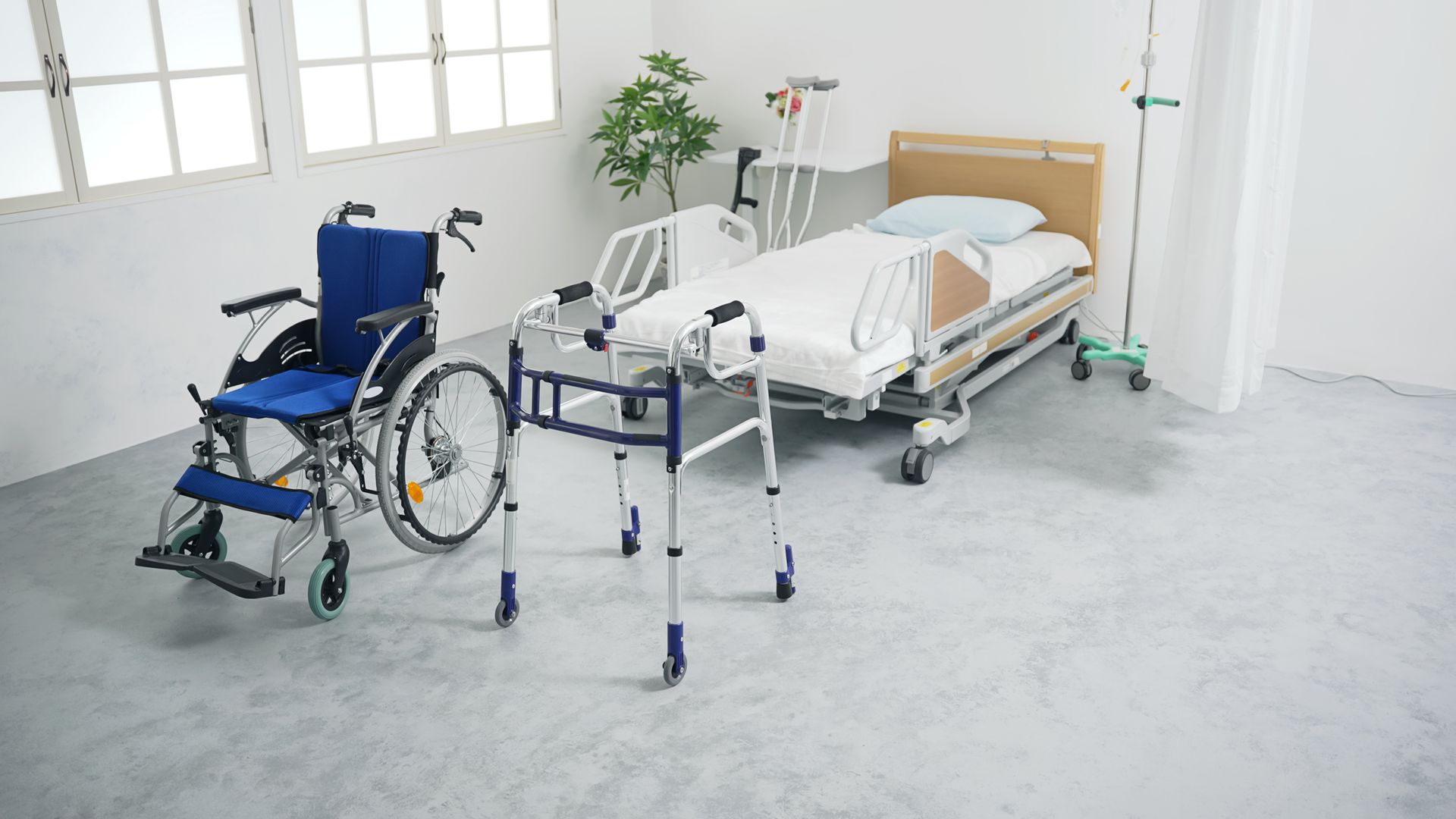
Wondering if medical equipment rental in Austin, TX, is covered by Medicare or insurance? Lakeway Mobility explains your options. Call for a free quote.

Need a safe ride home after surgery? Learn why professional post-surgical transportation can be a better choice for patients in Austin, Lakeway and Westlake.
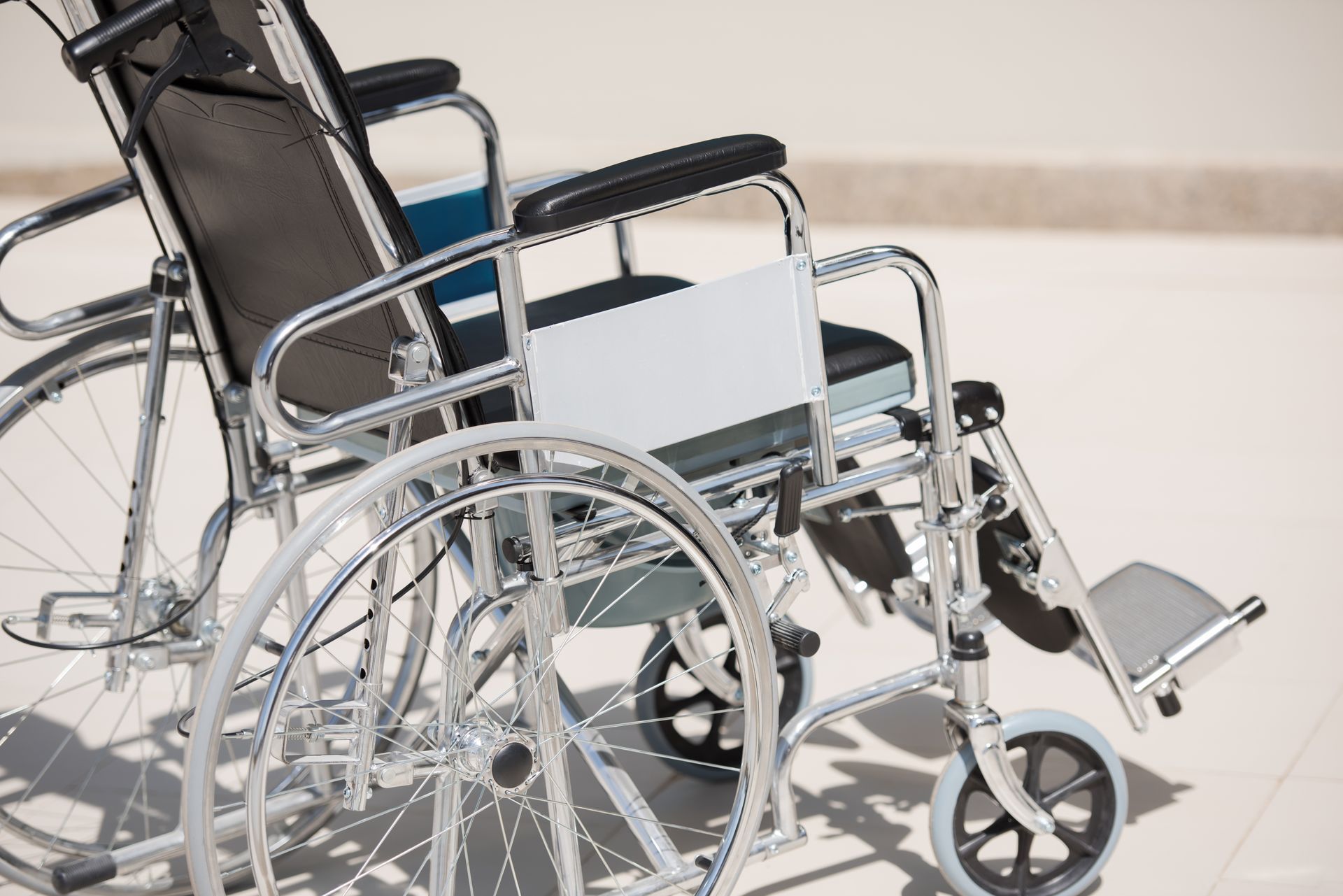
Need outpatient medical transportation services in Austin, TX, after surgery? Lakeway Mobility provides RN-led NEMT for safe discharge. Call today.
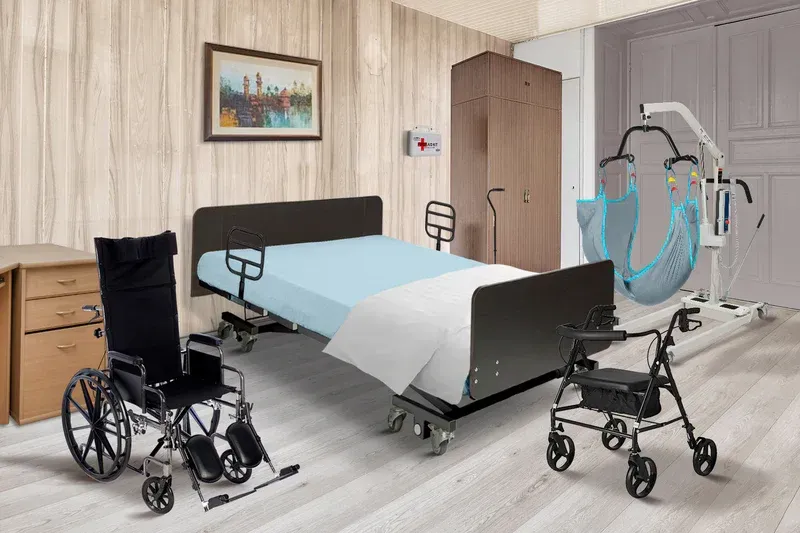
Need medical equipment after hospital discharge? Lakeway Mobility provides fast DME delivery, rentals and mobility equipment throughout Austin, Texas.
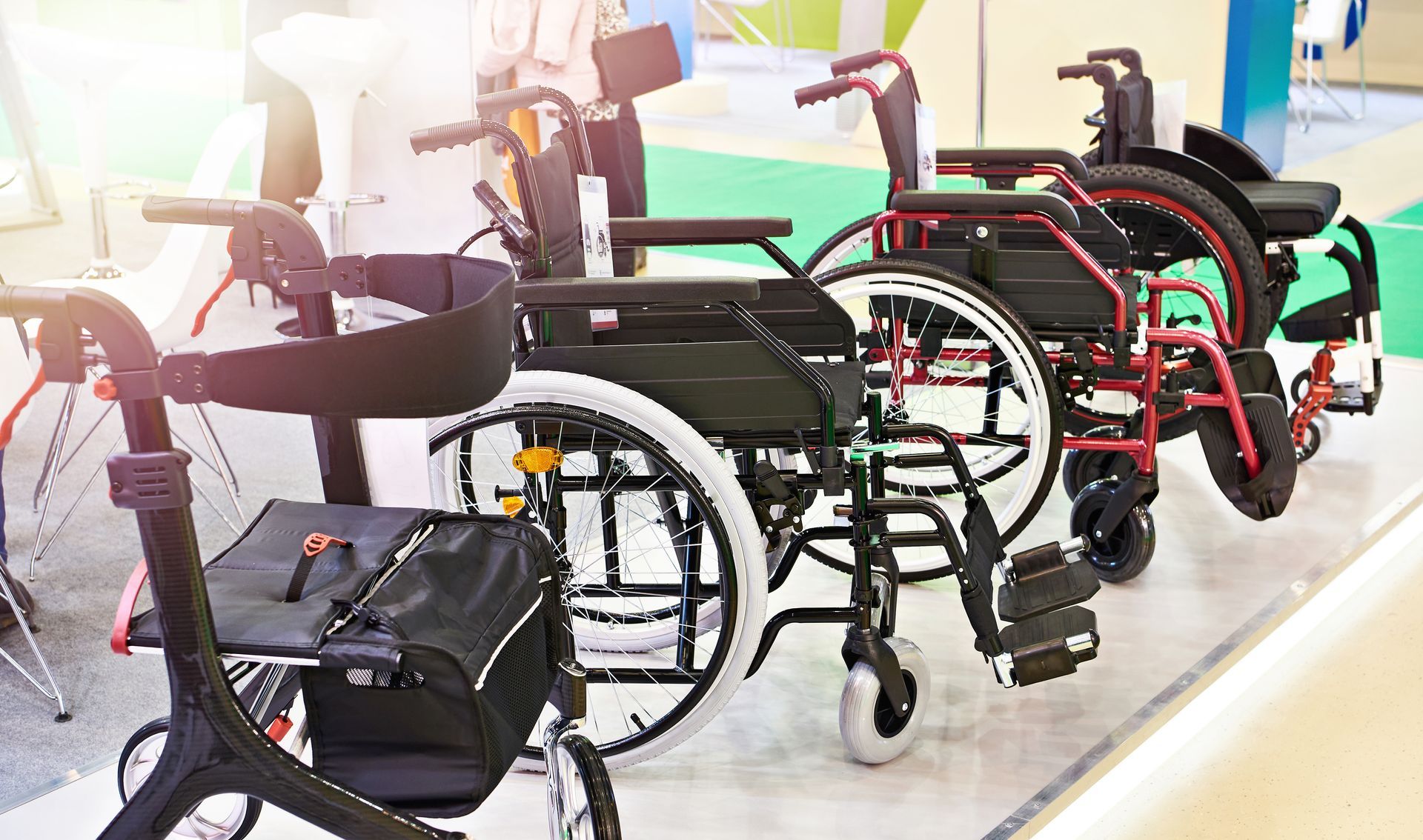
Compare renting vs. buying medical equipment for sale in Austin, TX. Lakeway Mobility offers both options with expert guidance. Call today.

The Critical Transition: From Hospital to Home
Choosing the Right Surgeon: A Multifaceted Approach
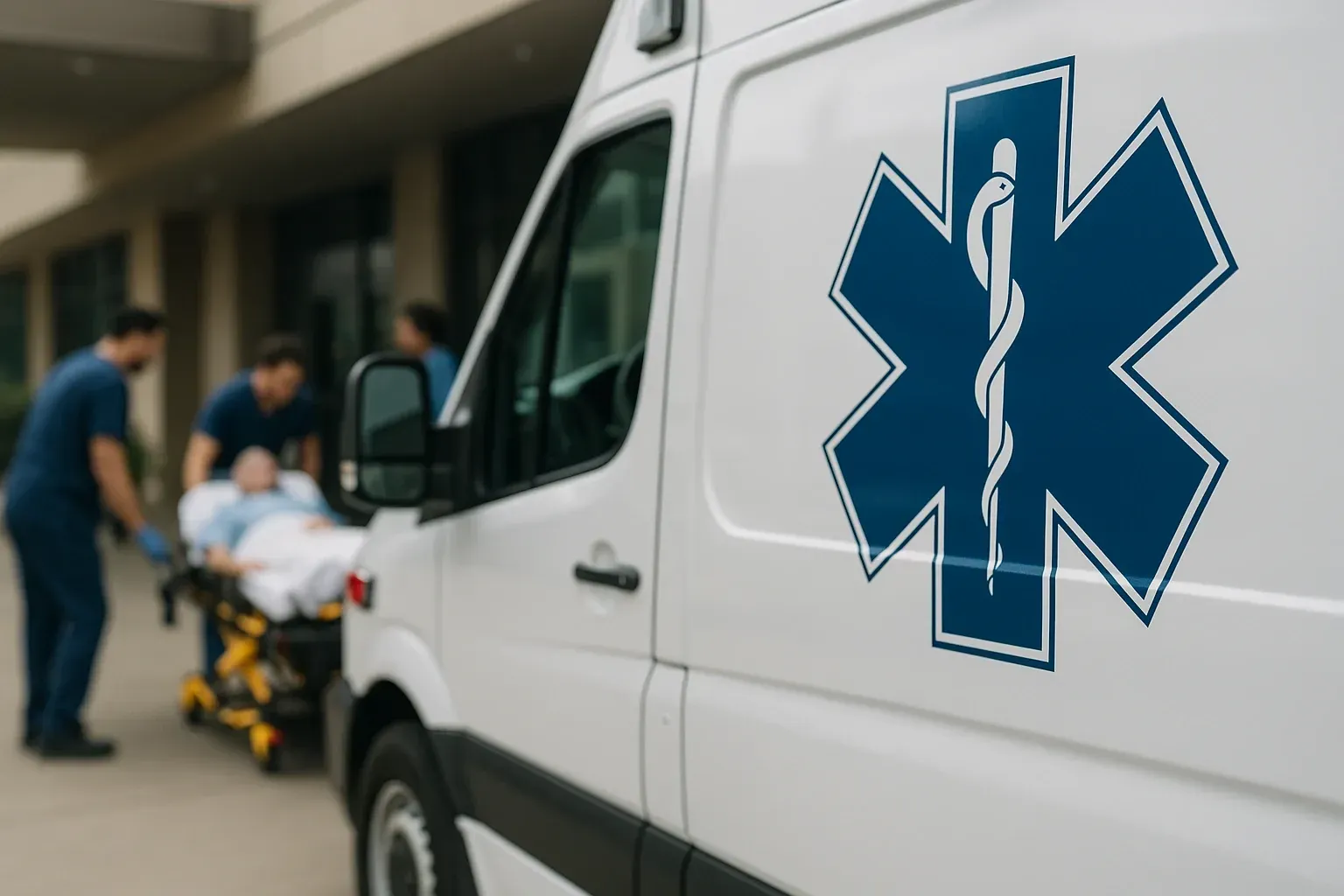
Many patients assume their insurance will cover transportation to and from medical appointments, rehabilitation facilities, or hospital discharges. Unfortunately, coverage limitations, pre-authorization requirements, and policy exclusions often result in unexpected out-of-pocket expenses. Understanding how insurance co

Maintaining Strength and Stability as We Age | Lakeway Mobility
From hospital discharge to home setup, Lakeway Mobility provides wheelchair transport, medical equipment, and RN oversight in Austin, TX—making recovery safe and seamless.