
Lightweight vs. Standard Wheelchairs: A Comprehensive Guide to Renting and Purchasing
Tracie Slaoui • February 26, 2026
Introduction to Wheelchair Options
Navigating the world with limited mobility presents both challenges and opportunities, particularly when considering the choice between lightweight and standard wheelchairs. These mobility aids not only restore independence but also enhance quality of life. Whether renting or purchasing, deciding on the right type of wheelchair is crucial and understanding the differences can save time, money, and effort. With advances in technology and design, wheelchairs today offer a range of features that cater to diverse user needs.
Imagine a scenario where accessing your favorite café or fitting into a narrow elevator becomes effortless. This is the promise of lightweight wheelchairs. Designed for ease of transport and maneuverability, these options are gaining popularity among those who value convenience and flexibility. On the other hand, standard wheelchairs have long been the reliable choice, known for their durability and support, and are especially beneficial in a variety of settings, from hospitals to homes.
One key factor in making a decision lies in understanding the specific needs and lifestyle of the user. For instance, someone highly active may prefer the mobility and portability of a lightweight wheelchair, which can easily be placed in and out of vehicles. Conversely, individuals who prioritize stability might lean towards standard wheelchairs, known for their robust construction and comprehensive support. These considerations are not just about immediate convenience but involve long-term satisfaction and practicality.
According to various studies and user testimonials, choosing between renting and purchasing adds another layer of complexity to the decision-making process. Renting a wheelchair offers flexibility, allowing users to try different models without a significant financial commitment. For travel or temporary needs, rental options can be invaluable. However, for long-term usage, purchasing might be more economical and cater to personalized requirements. Insights from Copy Of Wheelchairs offer detailed considerations for those navigating this decision.
In the following sections, we will dive deeper into the specifics of renting and purchasing wheelchairs, contrasting lightweight against standard models, and explore practical case studies. This comprehensive guide aims to equip you with the knowledge to make an informed decision that aligns seamlessly with your lifestyle and needs.
Understanding the Differences Between Lightweight and Standard Wheelchairs
When choosing between renting and purchasing wheelchairs, understanding the distinctions between lightweight and standard models is crucial. These differences impact not only comfort and usability but also how well they fit into various lifestyles and needs.
Weight and Material
Lightweight wheelchairs, commonly weighing between 15 to 34 pounds, are designed with materials such as aluminum or titanium, offering ease in maneuverability and transport. In contrast, standard wheelchairs, typically weighing around 35 to 50 pounds, are often made from heavier materials like steel. This added weight can be beneficial in terms of durability but may hinder mobility for some users. For individuals who frequently travel or have limited physical strength, lightweight wheelchairs are advantageous, saving significant effort in handling and transportation.
Usability and Portability
The usability of lightweight wheelchairs extends beyond simple transport. Their configurations make them suitable for individuals who value flexibility and the ability to navigate tight spaces with ease. On the contrary, standard wheelchairs are more favorable in settings where stability and support are paramount, like hospitals or long-term care facilities. For example, a user participating in activities outside the home might opt for a lightweight model for convenience, while someone who spends extended periods seated might prioritize the enhanced support of a standard model.
Adjustability and Comfort
Both lightweight and standard wheelchairs offer varying degrees of adjustability, although lightweight options often provide more flexibility in terms of customization. This is beneficial for those requiring specific ergonomic adaptations to prevent discomfort or pressure sores. Standard wheelchairs may feature fewer adjustments but provide a steady base, essential for users needing consistent, long-term position support.
For personalized mobility solutions, explore Mobility Solutions The Hills to discover tailored options that match individual needs.
Cost Considerations
Cost plays a significant role when deciding whether to rent or purchase. Lightweight wheelchairs generally come at a higher price point due to advanced materials and technology. However, renting might reduce initial costs, offering a viable short-term solution for those testing different models. Conversely, standard wheelchairs are often more budget-friendly when purchased, presenting a stable option for long-term use.
The decision between renting and purchasing wheelchairs lightweight vs standard models involves a balance of priorities and conditions unique to each user. Understanding these factors allows for informed choices tailored to specific needs and lifestyle demands.
A close-up of a lightweight wheelchair with sleek aluminum framing and cushioned seat, positioned on a sunny pathway in a park, with autumn leaves scattered around.
Comparing Weight and Portability
When deciding between renting and purchasing wheelchairs lightweight vs standard, weight and portability are crucial factors to consider. Lightweight wheelchairs, typically made from aluminum or titanium, generally weigh between 15 to 35 pounds. This weight reduction makes them ideal for those who frequently travel or need to transport their wheelchair in vehicles. Users often find this option more convenient for navigating busy or uneven environments.
In contrast, standard wheelchairs, made from heavier materials like steel, can weigh between 35 to 50 pounds. While they may be less portable, they offer enhanced durability, making them suitable for users who prioritize sturdiness over portability. According to a study by the National Center for Biotechnology Information, the choice often comes down to personal lifestyle needs, highlighting that lightweight models are favored by those with active lifestyles.
Transport and Storage Considerations
Transporting and storing wheelchairs is another critical consideration. Lightweight wheelchairs are designed to fold easily, making them easier to stow away in a car trunk or closet. This feature is particularly beneficial for caregivers or family members who may need to move the wheelchair frequently. On the other hand, standard wheelchairs, while bulkier, often come with features like adjustable armrests and footrests, adding comfort for users who spend extended periods using the chair.
Services like Equipment Rental Austin provide options for trying out different wheelchair types, helping users decide what best fits their transportation needs. With a diverse range of options, renting first can be an effective way to test compatibility with personal and logistical requirements before making a purchase.
User Testimonials and Expert Opinions
User experiences can provide additional insights into the decision-making process. Many users have found platforms like Testimonials Mobility Products invaluable, offering real-world feedback from those who have opted for lightweight or standard options. Insights like these can aid in making informed decisions, aligning purchases with specific mobility needs and practical daily use.
In conclusion, when looking into renting and purchasing wheelchairs lightweight vs standard, examining weight, portability, and user experiences provides a comprehensive understanding that guides potential users in the right direction. By evaluating these factors along with professional advice, individuals can make choices that enhance their mobility and lifestyle.
Comparing Cost Dynamics and Long-Term Value
When transitioning smoothly from previous insights, it's vital to weigh the **financial trade-offs** between renting and purchasing. For short-term needs—such as recovery or travel—renting offers clear cost advantages. Rental rates for manual wheelchairs typically range from approximately $50 to $100 per week, while lightweight models may stretch that to around $100–$200 monthly. In contrast, purchasing a lightweight model carries a steep upfront cost between $500 and $800, versus $100–$500 for a standard manual wheelchair bettercare.com.
Deciding between renting and purchasing often depends on duration and flexibility. For instance, renting a lightweight chair during a 4-week rehab period may cost less than buying outright, especially factoring in home delivery and pick-up services. Long-term users, however, may benefit financially from purchasing, because rental costs accumulate and ownership avoids recurring fees.
Real-World Scenarios and Practical Guidance
Consider a recovering hip surgery patient facing a six-week mobility need. Renting a lightweight manual wheelchair could total around $150–$300 weekly depending on location and provider, potentially adding up to $600–$1,200 for the period. Purchasing the same chair, while more expensive at first, may prove cost-effective if mobility needs extend beyond a few months.
For example, someone planning frequent travel or short trips might choose rentals to avoid transporting and storing a bulky standard chair. Conversely, a permanent user aiming for long-term independence might invest in a lightweight model. Knowing the cost range for both options empowers users to plan according to their mobility timeline and budget.
Actionable Tips for Decision-Making
Compare rental vs purchase prices in your area—rental rates can vary widely depending on geography and provider.
Factor in ancillary costs: deposits, maintenance, delivery, and servicing—all of which add to the total cost of renting or owning.
If uncertain about a long-term investment, test a lightweight model through rental to assess portability and maneuverability before committing.
Balancing immediate affordability against long-term value is key. By understanding both short-term renting and purchasing costs—including those tied to lightweight vs standard models—individuals can more confidently determine which path aligns with their mobility goals and financial realities.
A lightweight wheelchair with a titanium frame and bright red accents is folded beside the open trunk of a parked SUV, with a clear blue sky and beach in the background, highlighting its portability for coastal trips.
Conclusion: Choosing Between Lightweight and Standard Wheelchairs
When deciding between lightweight and standard wheelchairs for renting or purchasing, it's essential to weigh the benefits and limitations of each type. Lightweight wheelchairs offer enhanced portability, easier maneuverability, and a modern design that caters to active lifestyles. On the other hand, standard wheelchairs prioritize durability and are often more cost-effective, making them suitable for users with less demanding needs or those who require more substantial support.
Importantly, consider individual needs such as the user's physical capabilities, daily activities, and potential travel requirements. For instance, those who frequently travel or require assistance in navigating narrow spaces may find lightweight options more conducive. In contrast, users who prioritize stability or have a small budget might prefer the reliability of standard wheelchairs.
Furthermore, research indicates that user satisfaction is closely linked to the appropriateness of the wheelchair for specific needs, underscoring the importance of a personalized approach. This means consulting healthcare professionals or mobility experts can provide valuable insights tailored to individual circumstances.
For those seeking expert guidance, consider reaching out to providers like Lakeway Mobility, who offer comprehensive support in selecting the right wheelchair for your lifestyle. They provide a range of models, ensuring you find a perfect match while maintaining high standards of quality and service.
Ultimately, the decision in renting and purchasing wheelchairs lightweight vs standard should be informed by an in-depth understanding of your lifestyle and requirements. Engage in thorough research, explore your options, and consult experts to ensure a confident and informed choice. As you navigate toward the best mobility solution, remember that the right wheelchair can As you navigate toward the best mobility solution, remember that the right wheelchair can significantly enhance quality of life, providing both freedom and independence.
Nurse Tracie Slaoui, RN, BSN, CCM
Founder, Lakeway Mobility
RN-Led NEMT & Medical Equipment Provider
Austin, Texas
📞 512-770-1020
🌐 www.lakewaymobility.net
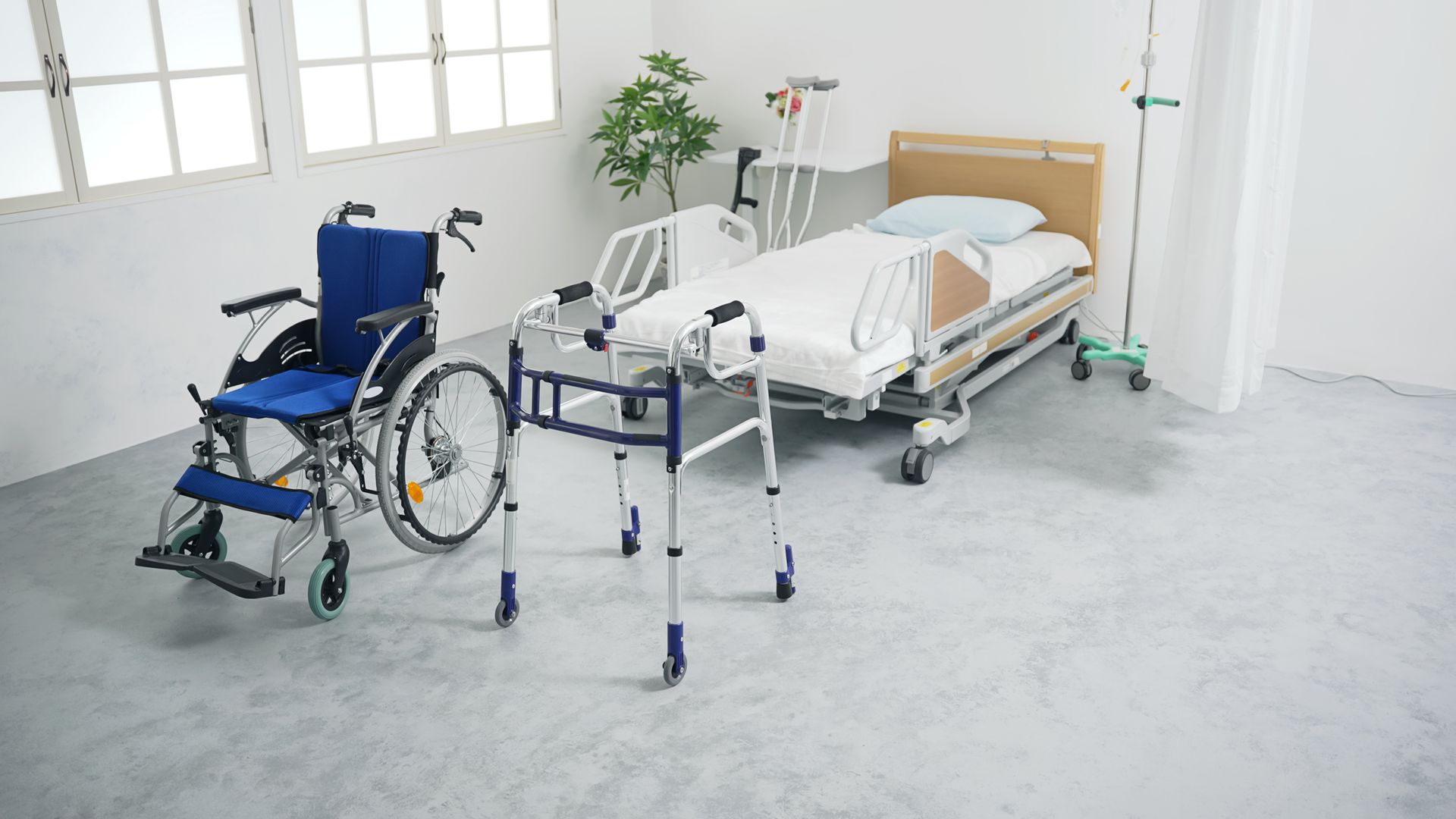
Wondering if medical equipment rental in Austin, TX, is covered by Medicare or insurance? Lakeway Mobility explains your options. Call for a free quote.

Need a safe ride home after surgery? Learn why professional post-surgical transportation can be a better choice for patients in Austin, Lakeway and Westlake.

Need outpatient medical transportation services in Austin, TX, after surgery? Lakeway Mobility provides RN-led NEMT for safe discharge. Call today.
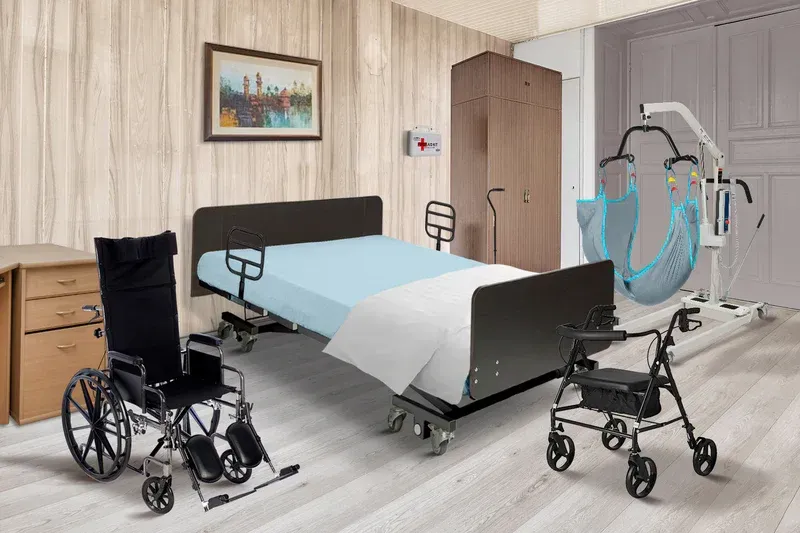
Need medical equipment after hospital discharge? Lakeway Mobility provides fast DME delivery, rentals and mobility equipment throughout Austin, Texas.
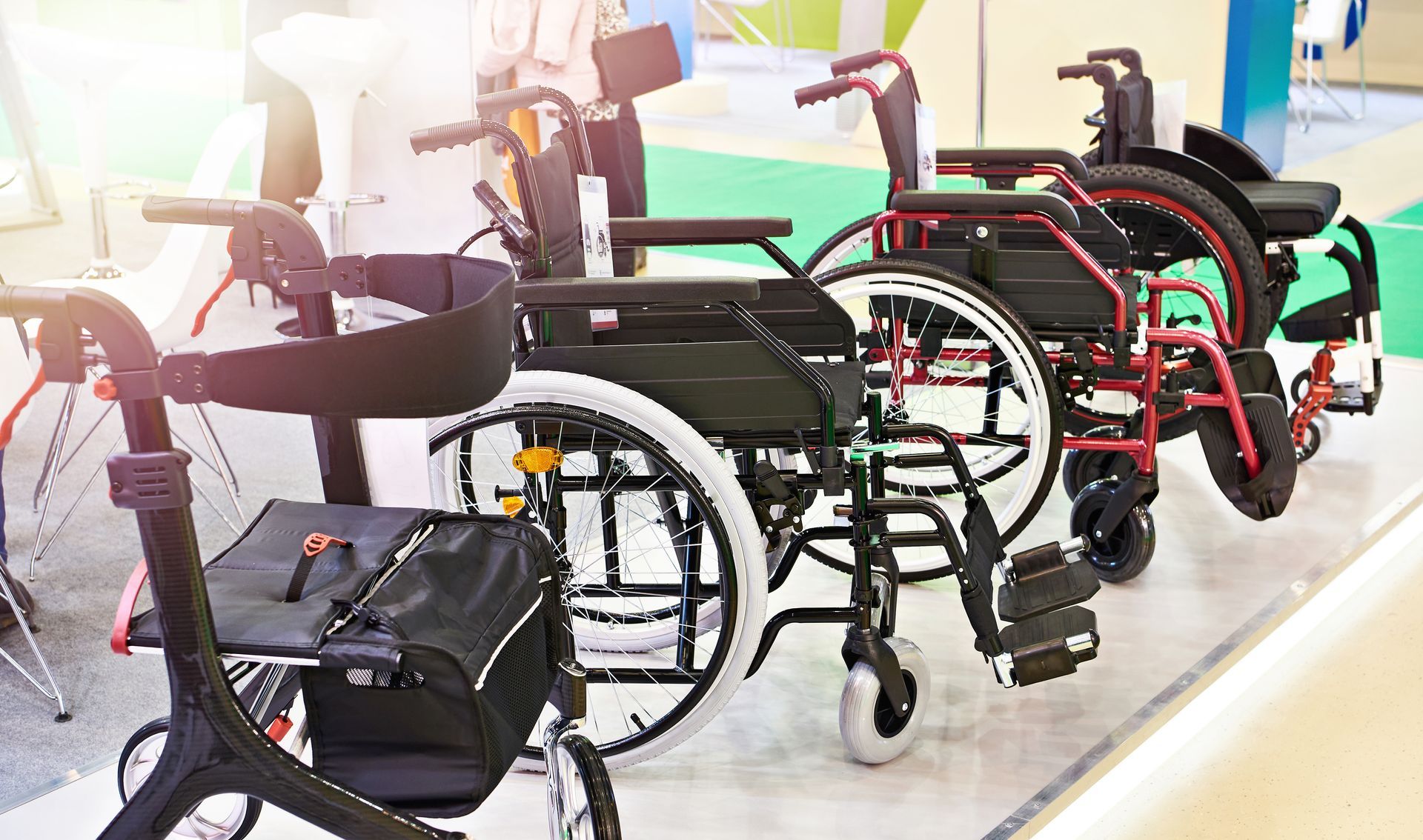
Compare renting vs. buying medical equipment for sale in Austin, TX. Lakeway Mobility offers both options with expert guidance. Call today.

The Critical Transition: From Hospital to Home

Choosing the Right Surgeon: A Multifaceted Approach

Many patients assume their insurance will cover transportation to and from medical appointments, rehabilitation facilities, or hospital discharges. Unfortunately, coverage limitations, pre-authorization requirements, and policy exclusions often result in unexpected out-of-pocket expenses. Understanding how insurance co

Maintaining Strength and Stability as We Age | Lakeway Mobility
From hospital discharge to home setup, Lakeway Mobility provides wheelchair transport, medical equipment, and RN oversight in Austin, TX—making recovery safe and seamless.