NEMT vs. Rideshare: A Comprehensive Guide to Choosing the Right Option
February 25, 2026
Understanding NEMT vs. Rideshare: Making the Right Choice
In today's fast-paced world, transportation plays a pivotal role in ensuring people get where they need to go efficiently. However, not all transportation services are created equal, especially when considering the differences between Non-Emergency Medical Transportation (NEMT) and rideshare services like Uber and Lyft. Understanding these differences can be crucial for those who prioritize safety and accessibility in their travel choices.
The Rising Need for Specialized Transportation
As the demand for convenient transportation grows, so does the need for specialized services. Non-Emergency Medical Transportation (NEMT) is designed specifically for individuals who require assistance traveling to medical appointments, therapies, or other health-related destinations. Unlike rideshare services, NEMT vehicles are equipped with medical equipment and staffed by trained professionals who can accommodate the specific needs of passengers with health conditions.
Why NEMT Stands Out
NEMT services are invaluable for patients with chronic conditions or disabilities. For instance, standard rideshare vehicles might not accommodate wheelchairs, but NEMT vehicles are specifically designed for such needs, providing peace of mind for both patients and their families. According to a 2021 transportation research study, individuals using NEMT for dialysis treatments reported significantly higher satisfaction levels compared to those using rideshare apps.
Rideshare Services: Convenience but with Limitations
Rideshare apps like Uber and Lyft offer extraordinary convenience for everyday travel without the need for advance scheduling. They’re perfect for quick trips across town or spontaneous outings. However, they often fall short when specialized care or equipment is required during the journey. The limitations become apparent for those needing travel support beyond just a ride.
Making an Informed Choice
Deciding between NEMT and rideshare often depends on individual needs and circumstances. While ridesharing might be suitable for on-demand transportation, NEMT provides tailored care that many patients find indispensable. To explore various mobility solutions that might be suitable for you, consider visiting Mobility Solutions The Hills for detailed insights and options that cater to a wide range of requirements.
Understanding the Differences: Reliability and Safety
When comparing NEMT and rideshare services, it's essential to consider reliability and safety—two critical factors often highlighted in this debate. For many individuals, especially those with medical needs, reliability in transport can significantly impact their daily lives. With NEMT services, there is a dedicated focus on ensuring timely arrivals, which is crucial for patients who must adhere to strict medical schedules. Their service often includes professional drivers trained to handle specific medical situations, providing a dependable option for those requiring specialized care.
In contrast, rideshare options like Uber and Lyft offer flexibility but may not consistently meet the punctuality standards that healthcare appointments demand. This can be particularly challenging when transportation is needed for non-emergency medical purposes. As highlighted by a study from the National Institutes of Health, missing or delaying medical appointments due to transportation issues can lead to severe health repercussions.
Safety Standards
Safety is a paramount concern when evaluating NEMT versus rideshare services. NEMT providers prioritize passenger safety by employing drivers who often receive comprehensive training in first aid, CPR, and patient assistance practices. Vehicles used in NEMT services usually undergo rigorous inspections to ensure they meet specific medical transport standards. Such measures are designed to cater to patients with mobility challenges or those needing special accommodations.
Rideshare companies, while implementing their safety guidelines, do not always meet the specialized requirements necessary for medical transport. For instance, rideshare drivers may not have the medical training that NEMT drivers possess. However, rideshare services are constantly innovating to improve safety features through in-app functionalities like real-time ride tracking and emergency support, offering a degree of reassurance to riders. According to Pew Research Center, the integration of such technology is a significant step toward enhancing user safety in rideshare settings.
For further insights into how transportation services maintain high safety standards, consider exploring About Transportation Service for detailed information on protocols and practices implemented to ensure passenger safety. Ultimately, understanding these distinctions helps in making informed decisions about which service better meets individual needs.
A wheelchair-accessible van with the NEMT logo parked outside a hospital entrance, contrasting with a rideshare car displaying the Uber logo waiting at a nearby curb.
Reliable Safety and Compliance Standards
In evaluating transportation options, safety and compliance are often top priorities for both individuals and organizations. Non-Emergency Medical Transportation (NEMT) services adhere to stringent safety regulations and have specific protocols to ensure the well-being of their passengers. This contrasts with rideshare services, which offer more flexibility but may not always meet the same standards of care.
Advanced Safety Measures of NEMT
NEMT providers typically follow rigorous safety standards, including driver background checks, comprehensive vehicle inspections, and specialized training for transporting individuals with medical needs. This ensures that patients who require special assistance receive appropriate care. For instance, NEMT vehicles are often equipped with wheelchair lifts and other mobility aids that are essential for those with limited mobility. By employing these measures, companies like Lakeway Mobility enhance accessibility for individuals needing reliable transportation.
Rideshare Safety and Challenges
Rideshare services, such as Uber and Lyft, prioritize safety through driver screening and in-app safety features, but they primarily focus on convenience and affordability for the general public. While their flexibility and availability are beneficial, rideshares might not offer the specialized equipment needed for passengers with certain medical conditions. Therefore, the choice between NEMT vs. rideshare often depends on the specific needs of the passengers.
Real-World Application: Choosing the Right Service
According to a recent study, about 3.6 million Americans miss or delay medical care annually due to transportation issues (National Institutes of Health). This statistic underscores the critical role of accessible transportation solutions. For those requiring specialized assistance, NEMT services offer significant advantages. In contrast, for those seeking a quick, affordable ride, rideshare services might suffice. Individuals can schedule transportation tailored to their needs through NEMT providers, ensuring timely and secure transit.
Ultimately, the choice between NEMT vs. rideshare hinges on individual circumstances, with NEMT offering unparalleled support for those with medical requirements.
Real-World Integration and Innovations
Transitioning smoothly from the general distinctions between NEMT and rideshare, it’s instructive to explore how emerging integrations are reshaping healthcare transport delivery. A growing trend involves blending the strengths of both systems—offering flexibility while preserving medical support where needed.
Collaborative Models for Enhanced Coverage
Some forward-thinking NEMT providers now partner with rideshare platforms to cover last-mile or overflow demand, especially for ambulatory patients. These hybrid models tap into the scalability of rideshare during peak volumes or in dense urban areas, while ensuring patients still receive the care they need. For instance, during surges in ambulatory service requests, NEMT programs may delegate less intensive rides to rideshare drivers, freeing up specialized vehicles for patients with complex needs. Meanwhile, comprehensive digital dispatch systems help ensure coordination and oversight remains intact. This hybrid system enhances operational efficiency without sacrificing care quality RouteGenie.
Modern NEMT Yields Major Cost Savings
Data-driven transformations in NEMT delivery—sometimes labeled “modern NEMT”—are demonstrating impressive economic benefits. A national study revealed that traditional NEMT already delivers substantial value, and modern approaches leveraging digital platforms can achieve 30%–70% greater ride-cost savings. That translates to an estimated $537 million saved annually across Medicaid beneficiaries, along with better ride monitoring and scheduling efficiency AJPH study. This efficiency speaks to the potential of integrating technology to strengthen NEMT’s reach and reliability.
Hospital and Healthcare System Applications
Hospitals are making notable strides by embedding NEMT in broader care coordination workflows. For example, a healthcare system in South Florida partnered with an NEMT provider and integrated ride scheduling into their Electronic Health Record (EHR). This streamlined patient discharge, minimized manual data entry, and enabled real-time monitoring of transportation. Results included more efficient discharge processes, reduced readmissions, and better management of chronic illnesses, underscoring the institutional value of coordinated NEMT, especially when compared to ad hoc rideshare usage NEMT Entrepreneur Resources.
Maximizing Impact Through Targeted Benefits
Lastly, Medicare Advantage (MA) plans are increasingly offering NEMT as a supplemental benefit—aligning resources with areas of greatest need. Between 2020 and 2024, NEMT availability under MA plans rose by nearly 14 percentage points. Notably, counties facing higher transportation barriers were nearly 20 percentage points more likely to receive these benefits compared to those with fewer challenges. This geographic targeting hints at a strategic, equity-focused approach to ensuring patients actually benefit from support systems in the places where they’re most needed Health Affairs Scholar.
Altogether, these innovations illustrate how the intersection of technology, health systems, and strategic benefit design can enhance transportation options—whether through integrating rideshare flexibility into NEMT or ensuring coverage reaches the underserved. Both efficiency and compassion are at the core of these real-world improvements in non-emergency medical mobility.
An NEMT van equipped with specialized medical equipment and safety gear parked in a residential driveway, contrasting with a standard sedan featuring a rideshare logo parked on a busy city street lined with shops.
Conclusion
As we draw our comparative analysis of NEMT (Non-Emergency Medical Transportation) and rideshare services to a close, it becomes evident that each serves distinct roles in the realm of transportation. While rideshare services provide convenient, on-demand options for the general population, NEMT remains a critical service tailored to specific needs such as medical appointments and health-related travel requirements.
NEMT vs. rideshare discussions highlight key considerations—safety, specialized training, and accessibility are paramount in NEMT services. For individuals with limited mobility or specific medical needs, NEMT offers vehicles equipped with necessary medical gear and trained drivers, ensuring a safer journey. In contrast, rideshare platforms excel in flexibility and rapid availability but might lack the provisions essential for those with healthcare needs.
Actionable Insights
Choosing between these transportation options hinges on individual requirements. For those with medical needs, prioritizing services like NEMT can prevent risky situations. Conversely, rideshare services are ideal for quick, non-specialized transportation. Understanding your unique needs can guide you in selecting the most appropriate service.
Service providers and healthcare organizations have opportunities to integrate these services. Collaborations with NEMT providers can enhance patient care, reducing missed medical appointments while lowering costs associated with delayed or failed patient transport.
Call to Action
For individuals and healthcare providers seeking reliable transportation solutions that cater specifically to medical needs, explore options like Lakeway Mobility. They offer comprehensive non-emergency medical transportation services, ensuring that critical healthcare appointments are met efficiently and safely. Leveraging such services can be integral to maintaining health and wellness.
In summary, understanding the distinct offerings of NEMT versus rideshare is crucial. By making informed choices, individuals can enhance their transportation experiences while ensuring that specific needs are adequately met, leading to better health outcomes and satisfaction.
Nurse Tracie, RN, BSN, CCM
Founder, Lakeway Mobility
RN-Led Transport & Discharge Support
📍 Serving Austin & Surrounding Areas
📞 512-770-1020
🌐 www.LakewayMobility.net
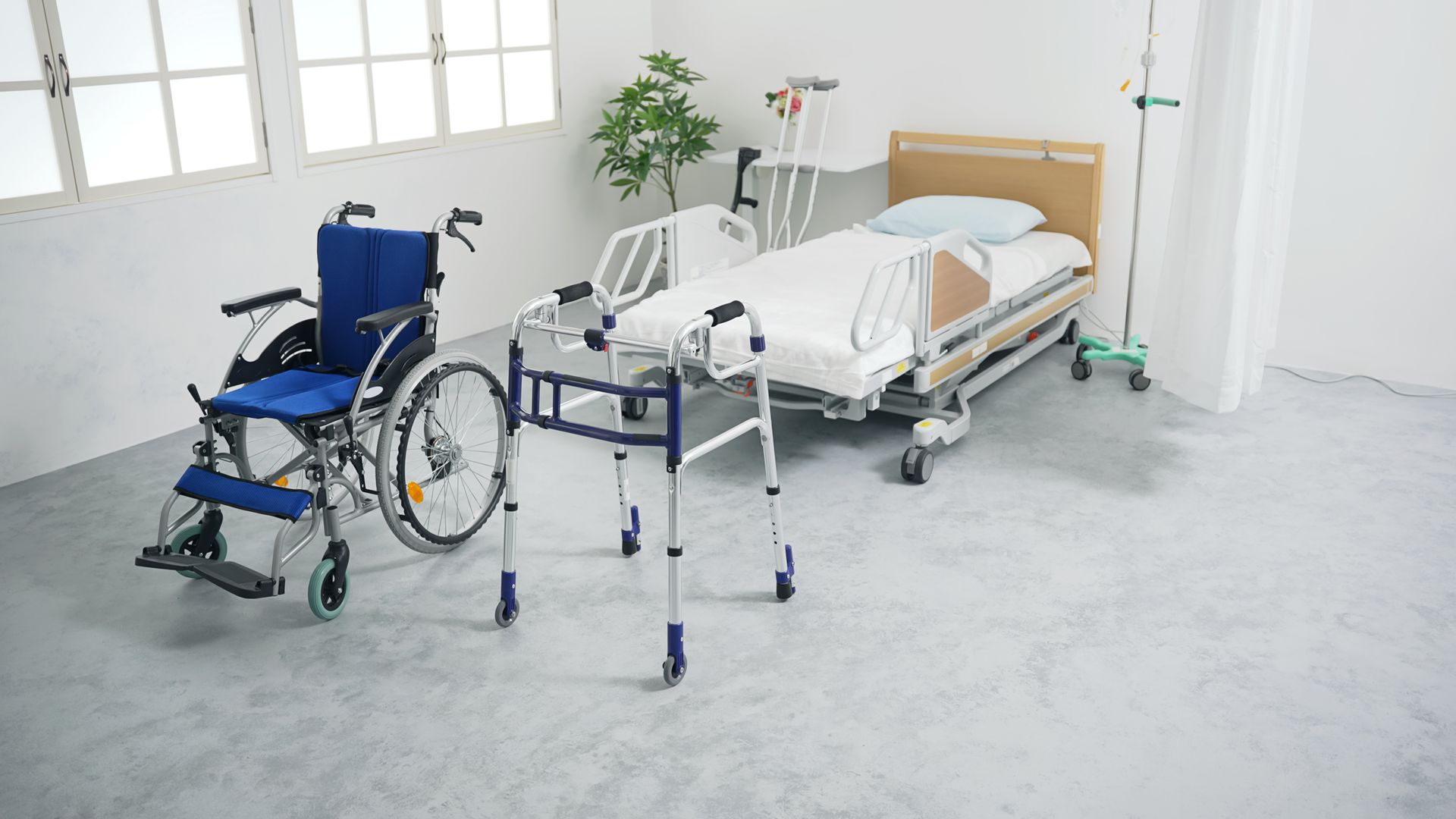
Wondering if medical equipment rental in Austin, TX, is covered by Medicare or insurance? Lakeway Mobility explains your options. Call for a free quote.

Need a safe ride home after surgery? Learn why professional post-surgical transportation can be a better choice for patients in Austin, Lakeway and Westlake.
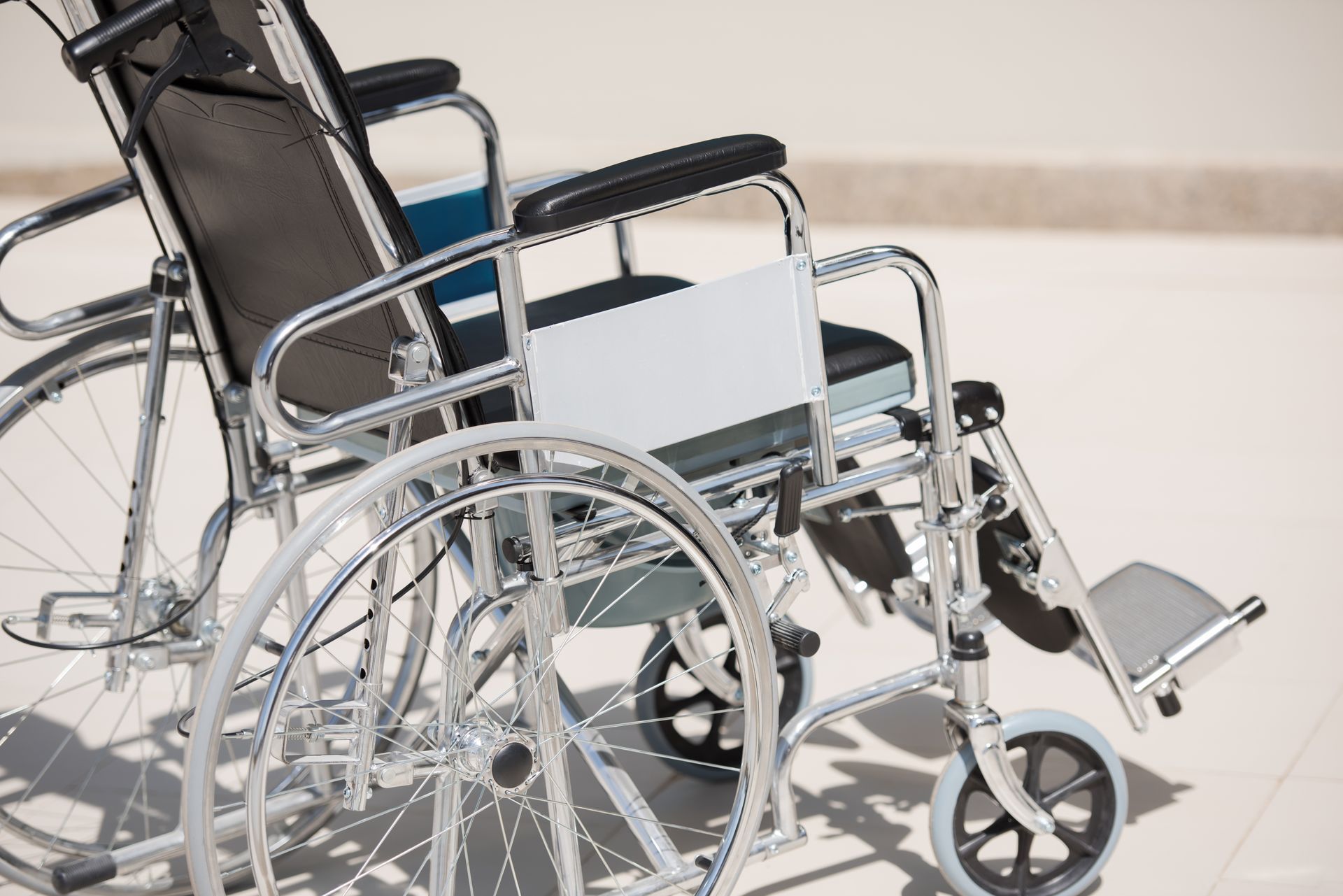
Need outpatient medical transportation services in Austin, TX, after surgery? Lakeway Mobility provides RN-led NEMT for safe discharge. Call today.
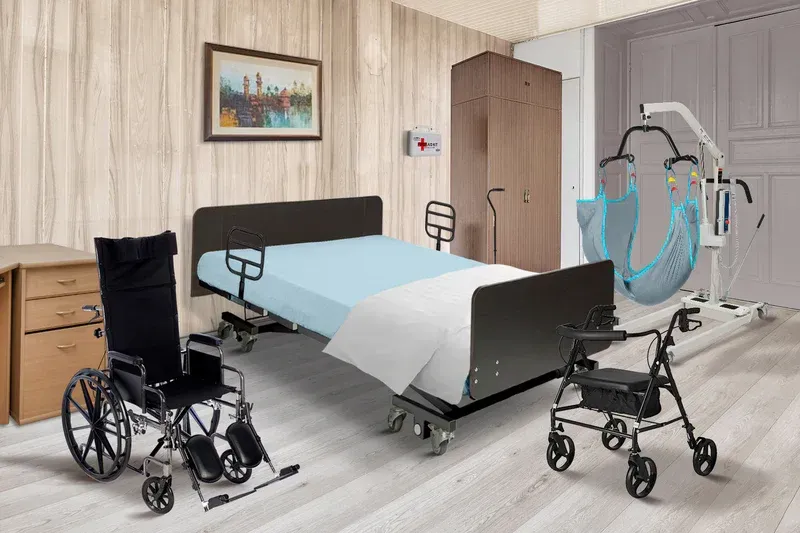
Need medical equipment after hospital discharge? Lakeway Mobility provides fast DME delivery, rentals and mobility equipment throughout Austin, Texas.
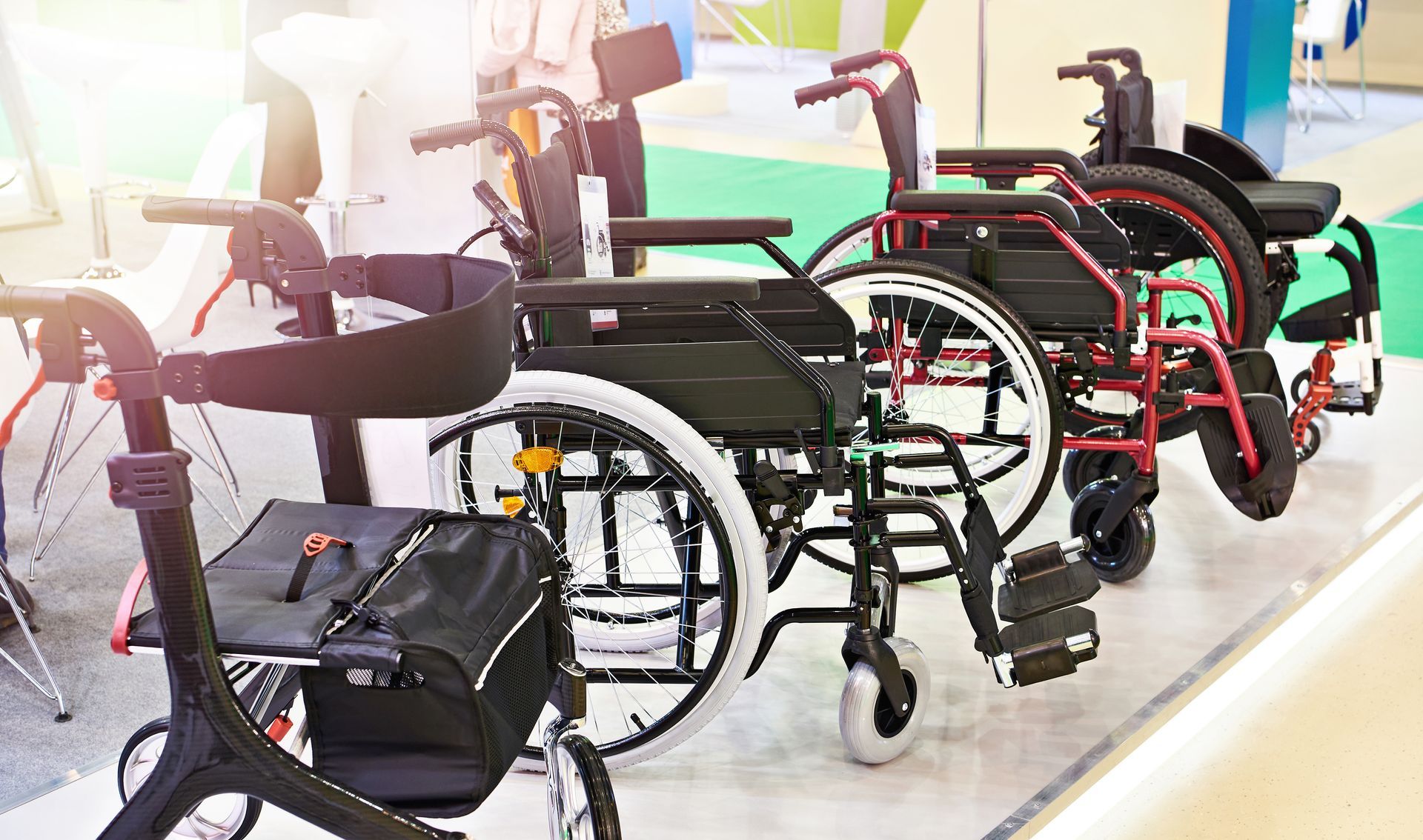
Compare renting vs. buying medical equipment for sale in Austin, TX. Lakeway Mobility offers both options with expert guidance. Call today.

The Critical Transition: From Hospital to Home
Choosing the Right Surgeon: A Multifaceted Approach
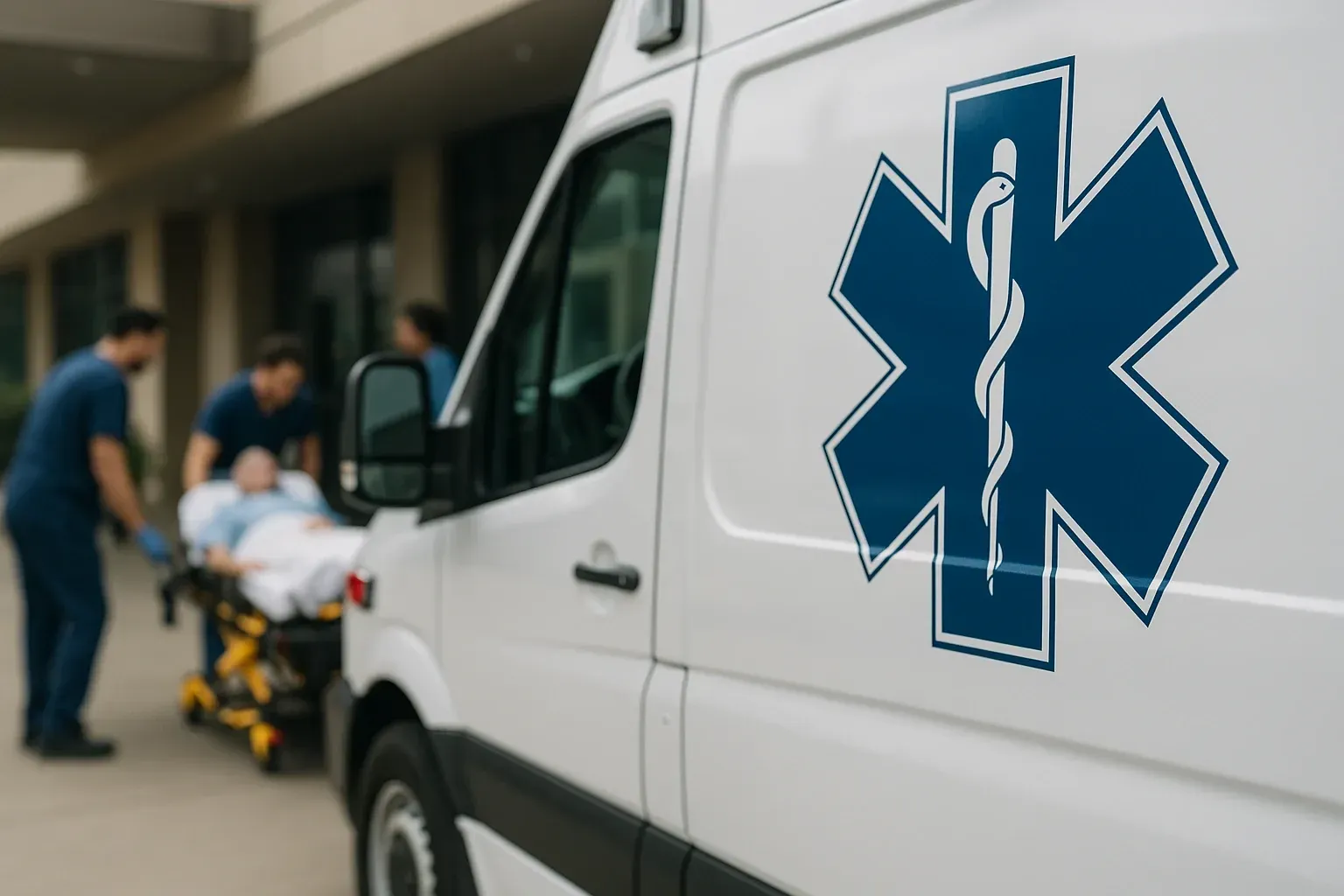
Many patients assume their insurance will cover transportation to and from medical appointments, rehabilitation facilities, or hospital discharges. Unfortunately, coverage limitations, pre-authorization requirements, and policy exclusions often result in unexpected out-of-pocket expenses. Understanding how insurance co

Maintaining Strength and Stability as We Age | Lakeway Mobility
From hospital discharge to home setup, Lakeway Mobility provides wheelchair transport, medical equipment, and RN oversight in Austin, TX—making recovery safe and seamless.