Top Outpatient Procedures in March: Safe Journeys with Lakeway Mobility
Tracie Slaoui • March 9, 2026
Ambulatory Transportation, Healthy Lifestyle, Nurse-Led Transportation
Introduction
As the bustling month of March approaches, many people schedule important outpatient procedures, ranging from routine check-ups to specialized surgeries. This time of the year often sees an uptick in medical appointments due to various factors, including the end of winter ailments and preparation for the upcoming spring season. Navigating these appointments safely and efficiently is a priority for patients and healthcare providers alike.
Understanding the most common outpatient procedures scheduled in March can significantly ease the planning process for patients and their families. From cataract surgeries and endoscopies to minor orthopedic procedures, these medical interventions are not only essential for maintaining health but also for improving overall quality of life. A proactive approach in scheduling and adhering to safety protocols can ensure smooth and successful medical experiences.
According to the American Hospital Association, outpatient visits have seen a considerable increase as healthcare systems adapt to ambulatory care's rising demand. The shift from inpatient to outpatient settings has revolutionized how healthcare services are delivered, emphasizing convenience and cost-effectiveness. This transition is particularly evident in March, aligning with broader health trends as observed by medical professionals. For more information on how mobility solutions can further aid in this process, consider exploring About Transportation Service.
Patient safety during the transfer to medical facilities is paramount, especially given recent scrutiny on transportation practices. Ensuring secure and reliable transit for outpatient procedures involves understanding the logistics of travel, potential obstacles, and the best solutions available in the mobility sector. According to a study by the National Institutes of Health, reliable patient transportation reduces stress and enhances the likelihood of procedure success by allowing patients to focus solely on recovery rather than logistical challenges. Patients are encouraged to consider these factors when scheduling their appointments to avoid unnecessary complications.
In the segments that follow, we will delve deeper into these common procedures, highlighting their significance and providing actionable insights on safely reaching medical facilities. With detailed statistics and expert recommendations, the goal is to offer a comprehensive guide for navigating the often-overlooked aspects of outpatient care. Stay informed and ready as we explore the myriad ways to enhance your March healthcare planning.
Understanding Common Outpatient Procedures in March
The month of March often sees a spike in certain outpatient procedures. With the weather warming and vacation seasons approaching, many choose this time for elective surgeries and routine medical checks. Among the most common outpatient procedures are cataract surgeries, colonoscopies, and arthroscopic knee surgeries. Each procedure comes with its own set of considerations, especially regarding patient safety and transportation.
Cataract Surgeries
Cataract surgeries are prevalent in March as people look to improve vision before the spring blooms. This outpatient procedure is generally quick and requires minimal recovery time. However, ensuring safe transportation to and from the surgical center is crucial. Patients typically experience blurred vision post-surgery, making it unsafe to drive. Consider arranging for a mobility transportation service to ensure safe and stress-free travel.
Colonoscopy Procedures
Another common procedure scheduled in March is the colonoscopy, often used as a screening tool for colorectal cancer. Patients require sedation, meaning driving post-procedure is not permissible. It's crucial to plan transportation in advance. According to the National Institutes of Health, planning prevents incidents related to sedation-induced confusion and fatigue (NIH).
Arthroscopic Knee Surgeries
The increase in physical activities during spring leads many to address knee issues with arthroscopic surgeries. This minimally invasive procedure allows for a quick return to normal activities but necessitates careful coordination for post-surgery recovery. Using the right assistive tools such as crutches or knee scooters can aid mobility safely. Planning transport and ensuring your home is equipped for recovery, by renting required equipment, can make a significant difference in recuperation. For equipment options, consider reviewing equipment rental services available locally.
In summary, understanding the nature and requirements of these outpatient procedures can help in effective planning. Whether it’s securing transport or arranging post-operative aids, taking these steps ensures a smooth and safe experience. As you plan healthcare procedures this March, consider how you’ll get to your destination safely and comfortably, ensuring a stress-free focus on recovery.
A bustling hospital lobby with a large sign displaying "Outpatient Procedures" alongside a wall map, showing patients checking in at a modern-looking kiosk amidst plants and vibrant artwork.
Transportation Options for Safe Travel to Outpatient Procedures
Ensuring safe transportation to scheduled outpatient procedures in March is a critical concern for many patients. With the advent of various transportation services, choosing the right option becomes essential for comfort and timeliness. Patients can explore options such as public transportation, ride-sharing services, and specialized medical transport. Each comes with unique benefits and considerations, tailored to individual needs and schedules.
Public Transportation: A Cost-effective Choice
For those looking for an economical option, public transportation remains a viable choice. With routes covering most city areas, buses and trains offer accessibility and affordability. However, scheduling conflicts can arise. Planning ahead by checking transit schedules online can alleviate this issue. Some cities offer apps that provide real-time updates, ensuring patients arrive on time for procedures.
Ride-sharing Services: Convenience and Flexibility
Ride-sharing services like Uber and Lyft provide door-to-door convenience, allowing patients to book rides that fit their specific timings. According to a recent study, ride-sharing has seen a 20% increase in use for medical appointments due to its flexibility (Healthcare Delivery News). These services also offer specialized options like Uber Health, ensuring a smoother experience for those with additional needs.
Specialized Medical Transport: Safety First
For patients requiring medical support during transit, specialized medical transport services are essential. Companies such as Lakeway Mobility offer vehicles equipped with necessary medical amenities, staffed by trained professionals to ensure both comfort and safety. This option is particularly beneficial for senior patients or those with mobility challenges, providing peace of mind for family members and caregivers.
Utilizing Technology for Seamless Travel
In today's digital age, technology plays a pivotal role in planning and executing safe travel plans for outpatient procedures. Mobile apps and online platforms can help schedule rides, while providing cost estimates and travel times, ensuring a hassle-free experience. Many patients utilize platforms like Lakeway Mobility to integrate these options seamlessly into their healthcare routines.
Choosing the right method of transportation depends largely on individual circumstances, including medical needs, budget, and comfort preferences. By evaluating these factors and utilizing available resources, patients can ensure safe and timely arrival for their outpatient procedures scheduled in March.
Safety Tips for Traveling to Outpatient Procedures
Ensuring safety and comfort during travel to outpatient procedures is essential. With March being a peak time for scheduling many of these procedures, it is crucial to plan accordingly. Whether traveling by personal vehicle or utilizing public transportation, being prepared can significantly enhance the experience.
Utilizing Public Transportation
Public transportation can be a convenient and cost-effective option for many. Patients should familiarize themselves with local transit routes and schedules. Additionally, ensuring that stops are close to healthcare facilities is important for seamless travel. For example, cities like New York and Chicago offer comprehensive transit maps and apps that can aid in planning the journey efficiently.
Private Car Services and Ride-Sharing
For those who prioritize comfort and convenience, private car services or ride-sharing apps like Uber and Lyft provide flexible and reliable options. These services can be especially beneficial for early morning or late evening appointments. It is advisable to schedule rides in advance when possible, minimizing any potential delays. According to a Statista report, ride-hailing services have seen substantial growth, indicating reliable availability in most urban areas.
Driving Personal Vehicles
Driving a personal vehicle offers complete control over travel timing and routes. It is essential, however, to ensure that the vehicle is in good condition, with recent maintenance checks to minimize the risk of breakdowns. Checking traffic conditions ahead of time using GPS apps like Google Maps can help avoid delays due to congestion, ensuring timely arrival for outpatient procedures.
Safety Precautions and Planning
Regardless of the transportation method chosen, some universal safety precautions should be observed. Wearing masks and maintaining social distance are advisable in public or shared transport to reduce health risks. For those driving or in private cars, keeping sanitizers and wipes on hand is a practical measure. Furthermore, it's wise to confirm appointment details and allow buffer time to accommodate any unforeseen travel delays. These practices ensure that patients can focus on their health without the added stress of logistical challenges.
By carefully considering transportation options and planning accordingly, patients can confidently manage their appointments during this busy period. Understanding the dynamics of travel and location-specific aspects can greatly contribute to a smooth and stress-free experience as they navigate the most common outpatient procedures scheduled in March and how to get there safely.
A row of colorful public transit buses lined up outside a modern medical center, with clear signage indicating routes to various local hospitals, while a ride-sharing service car waits nearby, its logo visible on the door.
Conclusion: Ensuring Safe and Efficient Access to Care
As the chilly days of winter give way to the blossoming sunshine of March, the healthcare system experiences a surge in the scheduling of the most common outpatient procedures. This seasonal increase in medical appointments is often due to a variety of reasons, including the desire to complete necessary treatments before the busy summer months. Through careful planning, individuals can ensure their transportation arrangements contribute to a seamless healthcare experience, ultimately enhancing their health and well-being.
One of the key takeaways is the importance of planning ahead. When scheduling appointments for procedures, prioritize booking transportation in advance to accommodate potential delays. For instance, ride-sharing services and public transportation can be less predictable, so allowing extra time ensures a stress-free journey. Understanding the unique characteristics of March, such as possible unpredictable weather, can also aid in making timely decisions regarding your commute.
Practical Tips for Secure Transit
Staying informed and adaptable is crucial. Many healthcare facilities provide resources or partnerships with local transportation services to ease patient access. Consider consulting your medical provider for specific recommendations or look for community programs offering free or low-cost transit options for medical appointments. According to Health Affairs, addressing transportation barriers can significantly improve healthcare outcomes.
An excellent resource for patients in need of reliable transit is Lakeway Mobility. Offering personalized transportation services tailored to outpatient needs, Lakeway Mobility ensures that patients arrive at their appointments safely and on time, without the stress of navigating public transportation or parking challenges. This resource becomes increasingly valuable in a busy month like March.
Call to Action
To navigate the season successfully, prioritize early planning and leverage the resources available to you. Begin by assessing the most efficient transport options suited to your mobility requirements and geographical location. Engaging services like Lakeway Mobility can play a vital role in streamlining your journey, allowing you to focus on the procedure itself and your health recovery. As you move forward, remain proactive in seeking solutions that ensure your medical visits are both safe and efficient. By doing so, you will contribute to a healthier, more organized, and less stressful lifestyle.
Tracie Slaoui, RN
Founder | Lakeway Mobility
Luxury RN-Led Medical Transport
Safe rides home after colonoscopy, cosmetic procedures, and outpatient surgery.
Austin | Lakeway | Bee Cave
📞 512-770-1020
🌐 www.LakewayMobility.net
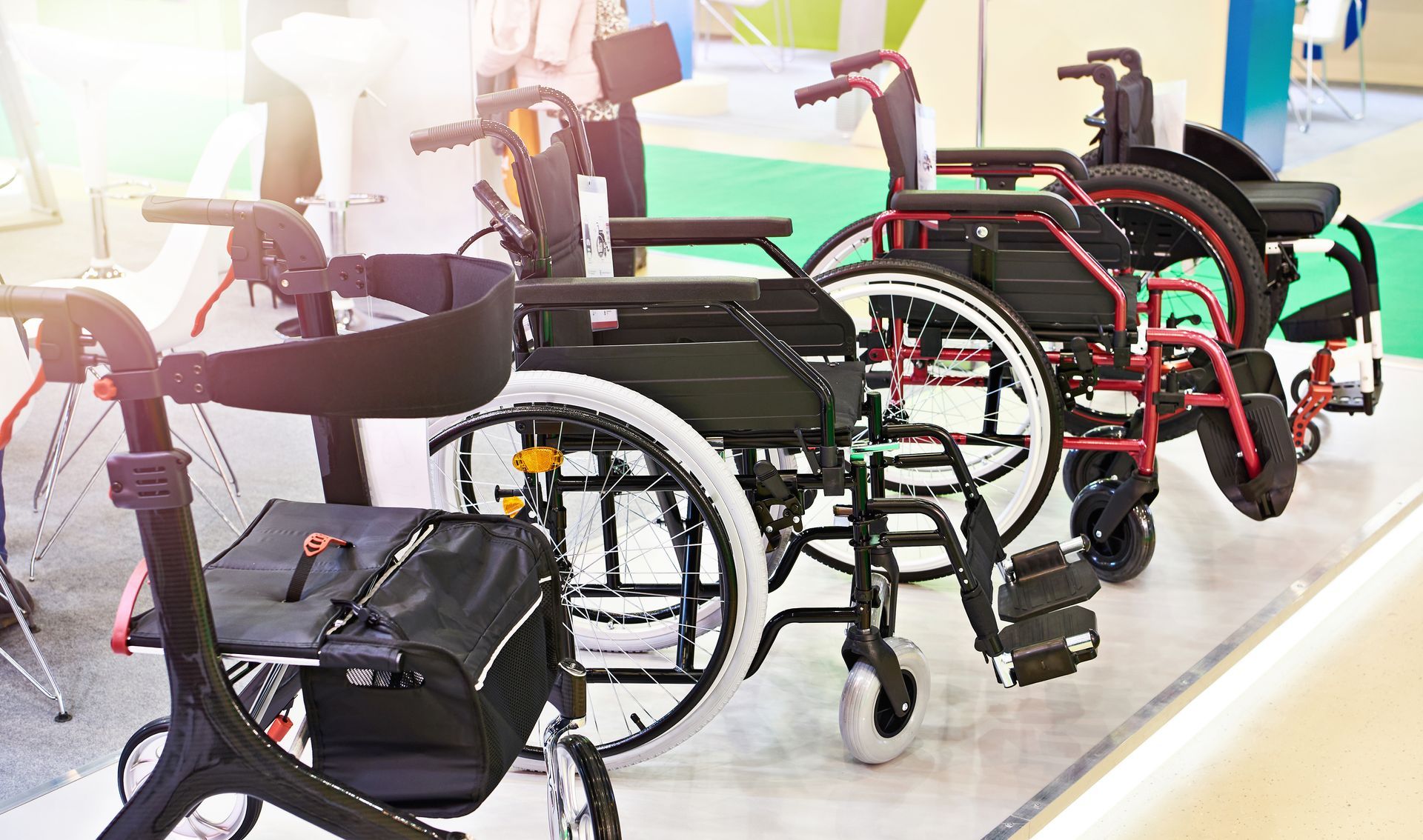
Compare renting vs. buying medical equipment for sale in Austin, TX. Lakeway Mobility offers both options with expert guidance. Call today.

The Critical Transition: From Hospital to Home
Choosing the Right Surgeon: A Multifaceted Approach

Many patients assume their insurance will cover transportation to and from medical appointments, rehabilitation facilities, or hospital discharges. Unfortunately, coverage limitations, pre-authorization requirements, and policy exclusions often result in unexpected out-of-pocket expenses. Understanding how insurance co

Maintaining Strength and Stability as We Age | Lakeway Mobility

From hospital discharge to home setup, Lakeway Mobility provides wheelchair transport, medical equipment, and RN oversight in Austin, TX—making recovery safe and seamless.

Avoid the 3 biggest mistakes families make after a medical event in Austin. Learn RN-led tips for safe recovery, mobility support, and discharge planning.
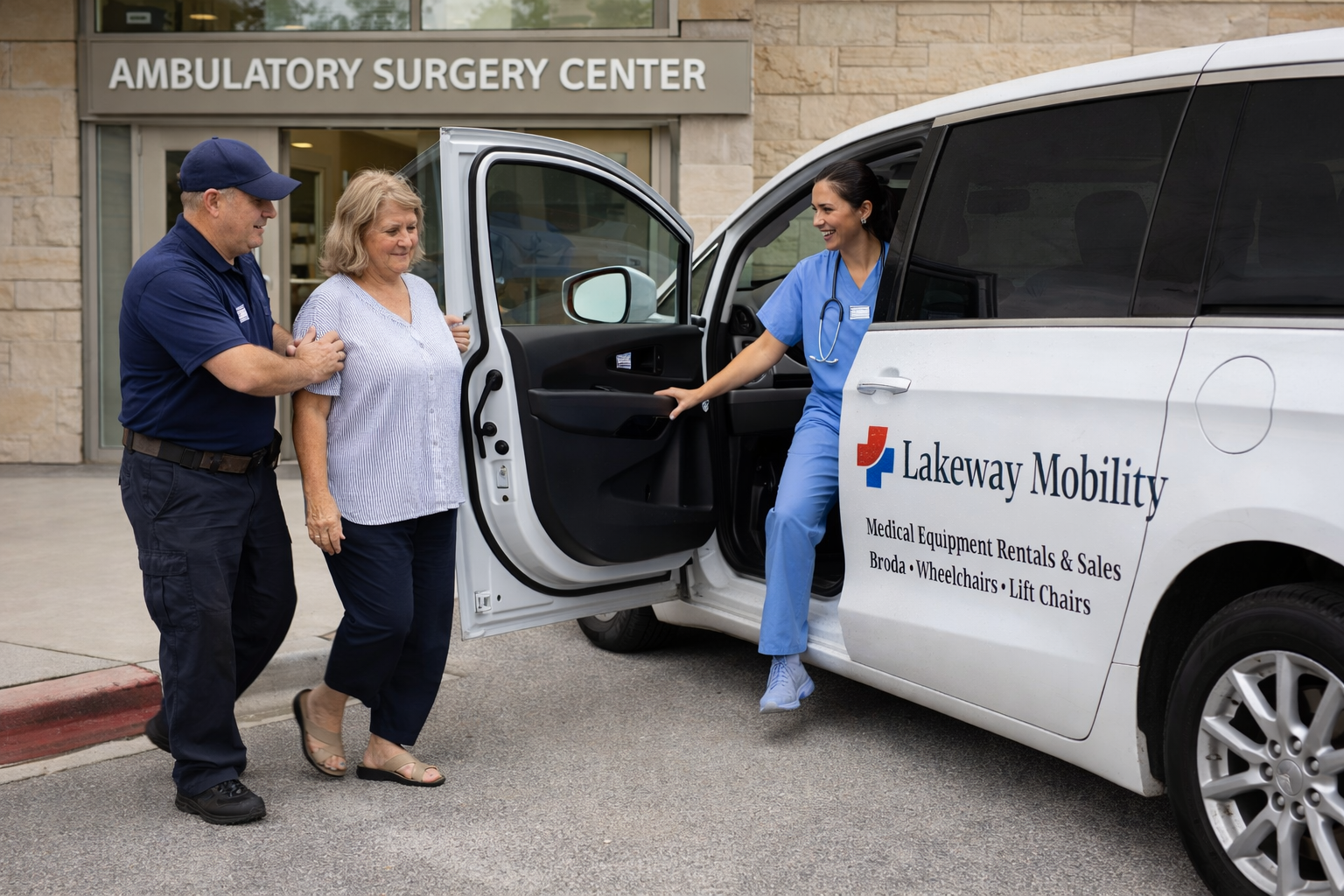
Planning an outpatient procedure in Lakeway or Austin? Lakeway Mobility provides safe wheelchair, Broda chair, and medical transportation for patients leaving surgical centers.

Preparing for hospital discharge in Austin? Learn how to arrange safe NEMT, wheelchair transport, and home safety equipment.
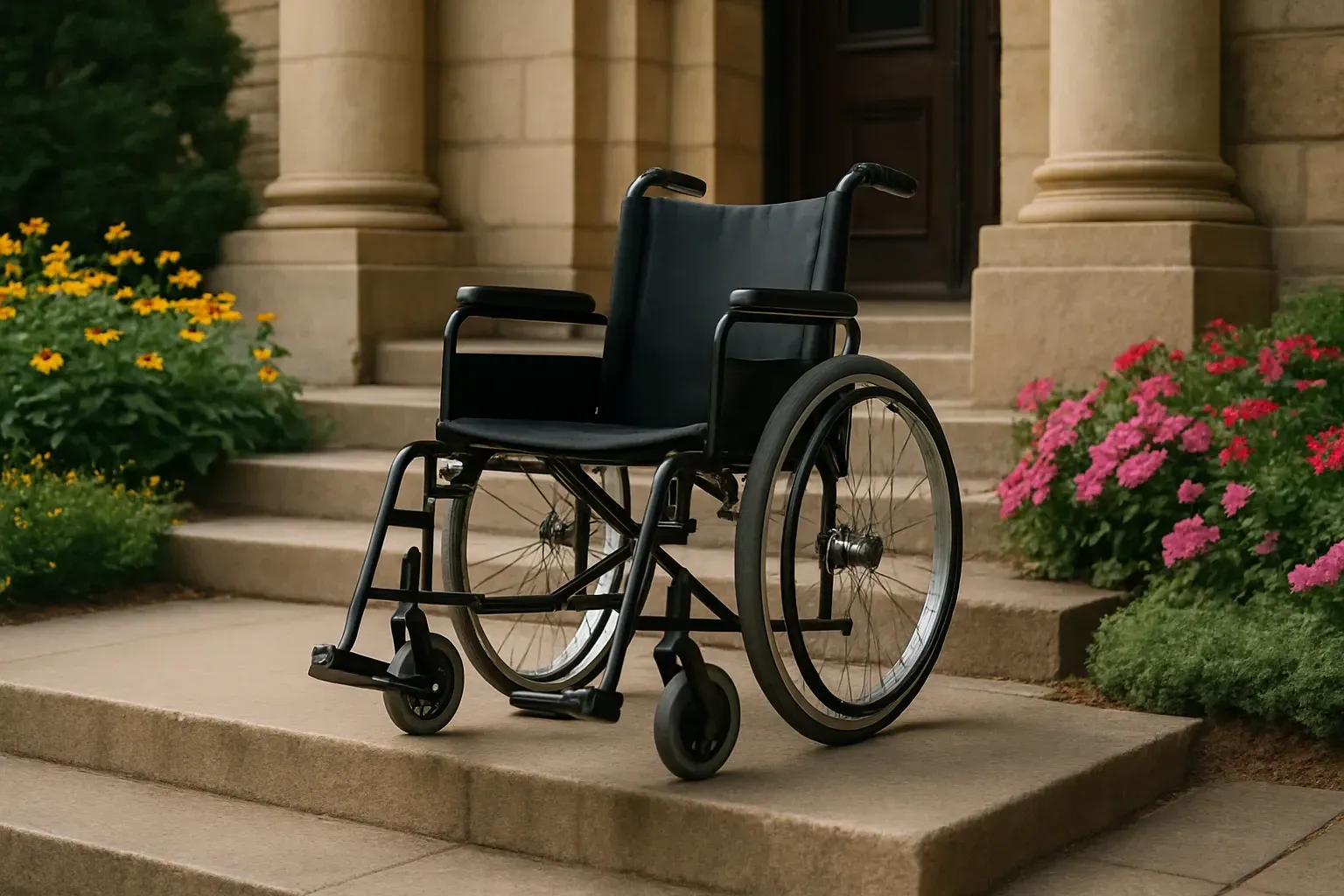
Wheelchair rentals and sales in Austin TX by RN-owned Lakeway Mobility. Reliable medical equipment including hospital beds, scooters, and lift chairs.