
Caring for a Loved One During the Holidays
Tracie Slaoui • December 23, 2025
Caring for a Loved One During the Holidays
How to Create Safety, Comfort, and Meaning Without Burning Yourself Out
The holidays arrive wrapped in lights, music, and expectations. But when you’re caring for an aging or medically fragile loved one, the season can feel less like celebration and more like coordination.
Appointments don’t pause. Mobility challenges don’t disappear. And emotions often run high, for everyone.
The good news is this: caring well during the holidays doesn’t require perfection. It requires preparation, presence, and permission to do things differently.
1. Redefine What “The Holidays” Look Like This Year
Many caregivers feel pressure to recreate traditions exactly as they’ve always been. That pressure creates exhaustion and guilt.
Instead, ask:
What actually matters most to my loved one right now?
What brings comfort instead of stress?
What can we simplify without losing meaning?
A quiet meal, familiar music, and time together may matter more than a full house and elaborate plans.
Let this be the year you choose connection over performance.
2. Prioritize Safety Before Festivity
Holiday decorations and gatherings can unintentionally create risks for seniors or those with mobility limitations.
Be mindful of:
Clear walkways free of cords, rugs, or clutter
Adequate lighting, especially in hallways and bathrooms
Stable seating with armrests and proper height
Temperature control to avoid chills or overheating
If your loved one uses a wheelchair, walker, hospital bed, or lift chair, make sure equipment is properly positioned and functioning well before guests arrive.
A calm, safe environment allows everyone to relax.
3. Plan Transportation and Mobility Early
Holiday schedules fill quickly, and last-minute needs can be stressful.
If your loved one:
Is being discharged close to the holidays
Needs transportation to appointments or family gatherings
Requires medical equipment delivery or pickup
Arrange these services early. Reliable planning reduces anxiety for both the caregiver and the patient.
This is especially important for families navigating care for the first time. No one should feel rushed or uncertain during an already emotional season.
4. Honor Emotional Changes and Grief
Holidays can amplify feelings of loss, sadness, or frustration, especially for seniors facing health changes or reduced independence.
You may notice:
Mood shifts
Withdrawal from activities they once loved
Increased fatigue or irritability
Instead of trying to “cheer them up,” offer presence and validation.
Simple phrases like:
“This season feels different, and that’s okay.”
“I’m here with you.”
Your calm reassurance matters more than forced positivity.
5. Care for the Caregiver Too
Caregivers often place themselves last, especially during the holidays. But burnout helps no one.
Give yourself permission to:
Ask for help
Say no to unnecessary commitments
Rest without guilt
Even short moments of quiet, a walk outside, or asking someone else to sit with your loved one can reset your nervous system.
You are not selfish for needing support. You are human.
6. Focus on What Can Still Be Shared
Illness and aging change many things, but they do not erase the ability to connect.
You can still share:
Stories and memories
Music, movies, or photos
Gentle traditions adapted for comfort
These moments become the memories that last.
A Gentle Reminder
Caring for a loved one during the holidays is not about doing everything perfectly. It’s about showing up with intention, compassion, and steadiness.
If you need guidance, support, transportation, or medical equipment during this season, reach out early. You don’t have to carry it alone.
Sometimes the greatest gift you can give is peace of mind.
It’s Okay to Ask for Help
One of the hardest things for caregivers to accept is that they don’t have to do everything themselves.
During the holidays especially, it is okay to ask for help.
If you need time to:
Rest and reset
Run errands
Attend your own appointment
Simply breathe
We can help.
Lakeway Mobility can safely take your loved one to medical appointments or scheduled outings while you take care of yourself. Our trained team provides attentive, respectful care and keeps you informed every step of the way. When we return, you’ll receive an update so you know how the visit went and that your loved one is safe and comfortable.
Caregiving is not meant to be done alone. Accepting support is not a weakness. It’s a wise and loving choice.
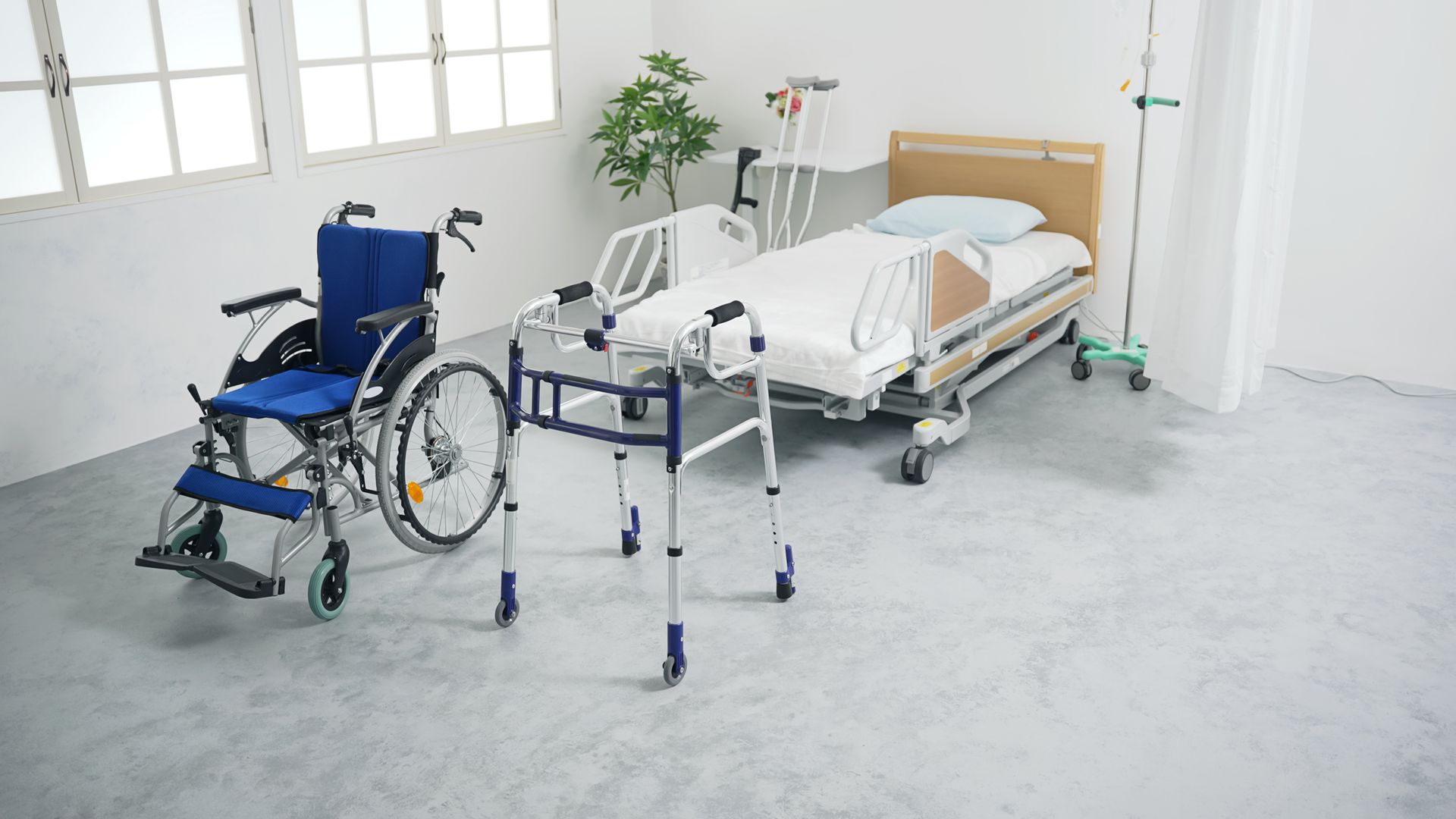
Wondering if medical equipment rental in Austin, TX, is covered by Medicare or insurance? Lakeway Mobility explains your options. Call for a free quote.

Need a safe ride home after surgery? Learn why professional post-surgical transportation can be a better choice for patients in Austin, Lakeway and Westlake.
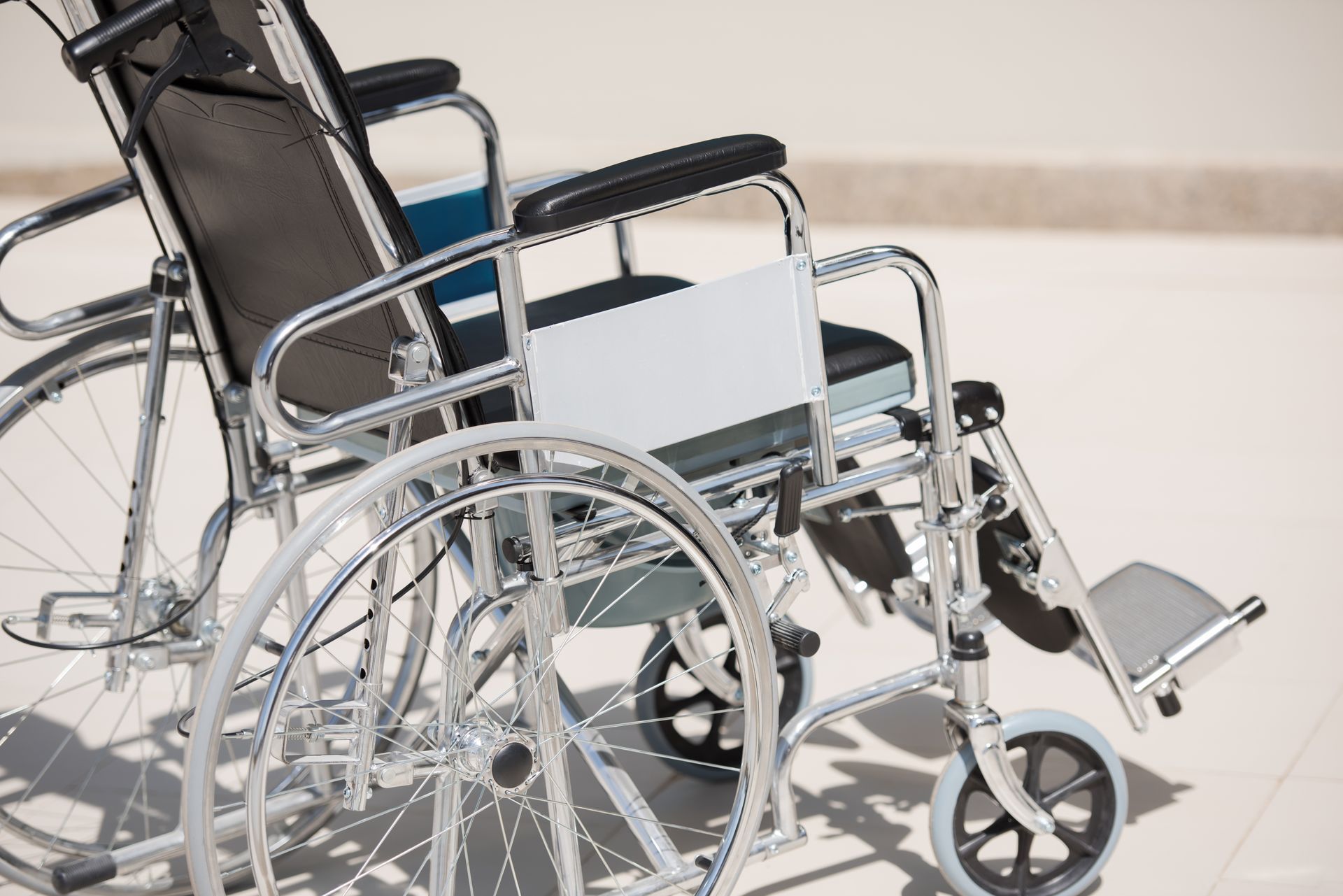
Need outpatient medical transportation services in Austin, TX, after surgery? Lakeway Mobility provides RN-led NEMT for safe discharge. Call today.
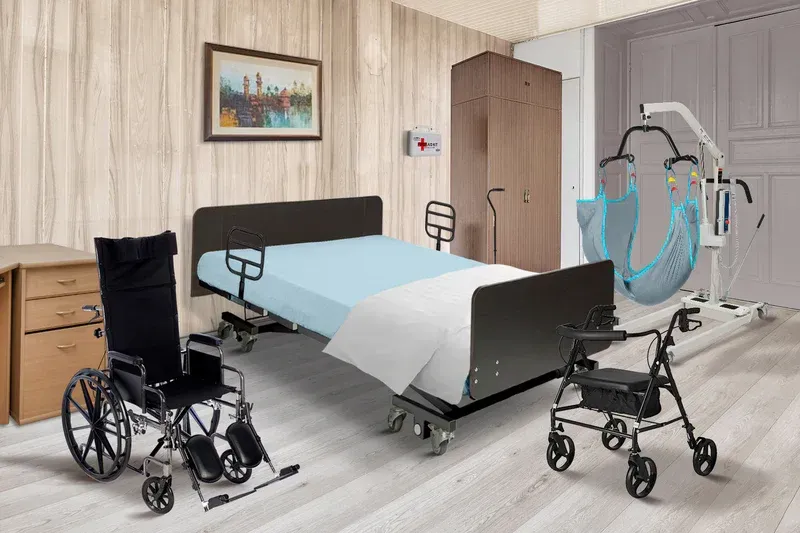
Need medical equipment after hospital discharge? Lakeway Mobility provides fast DME delivery, rentals and mobility equipment throughout Austin, Texas.
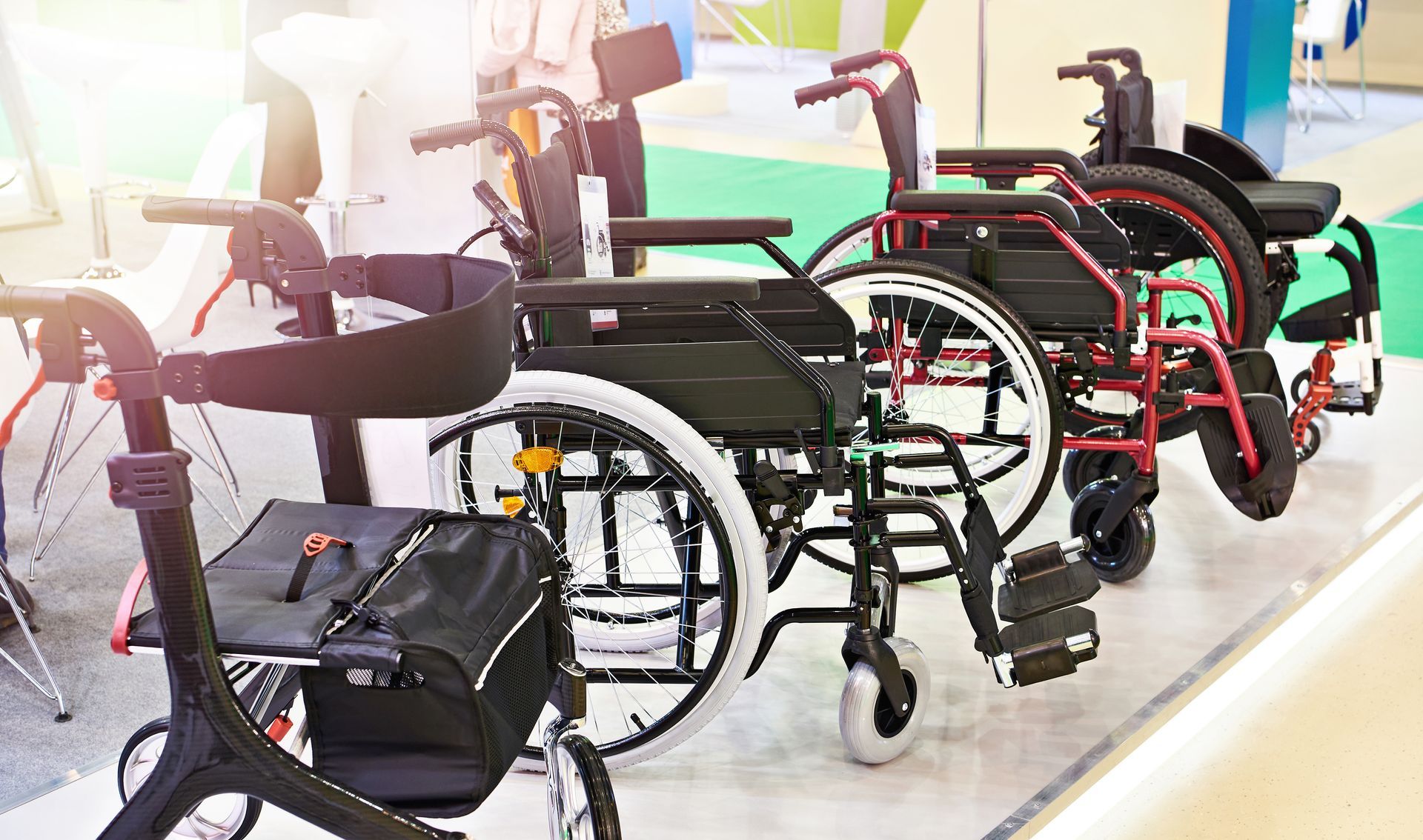
Compare renting vs. buying medical equipment for sale in Austin, TX. Lakeway Mobility offers both options with expert guidance. Call today.
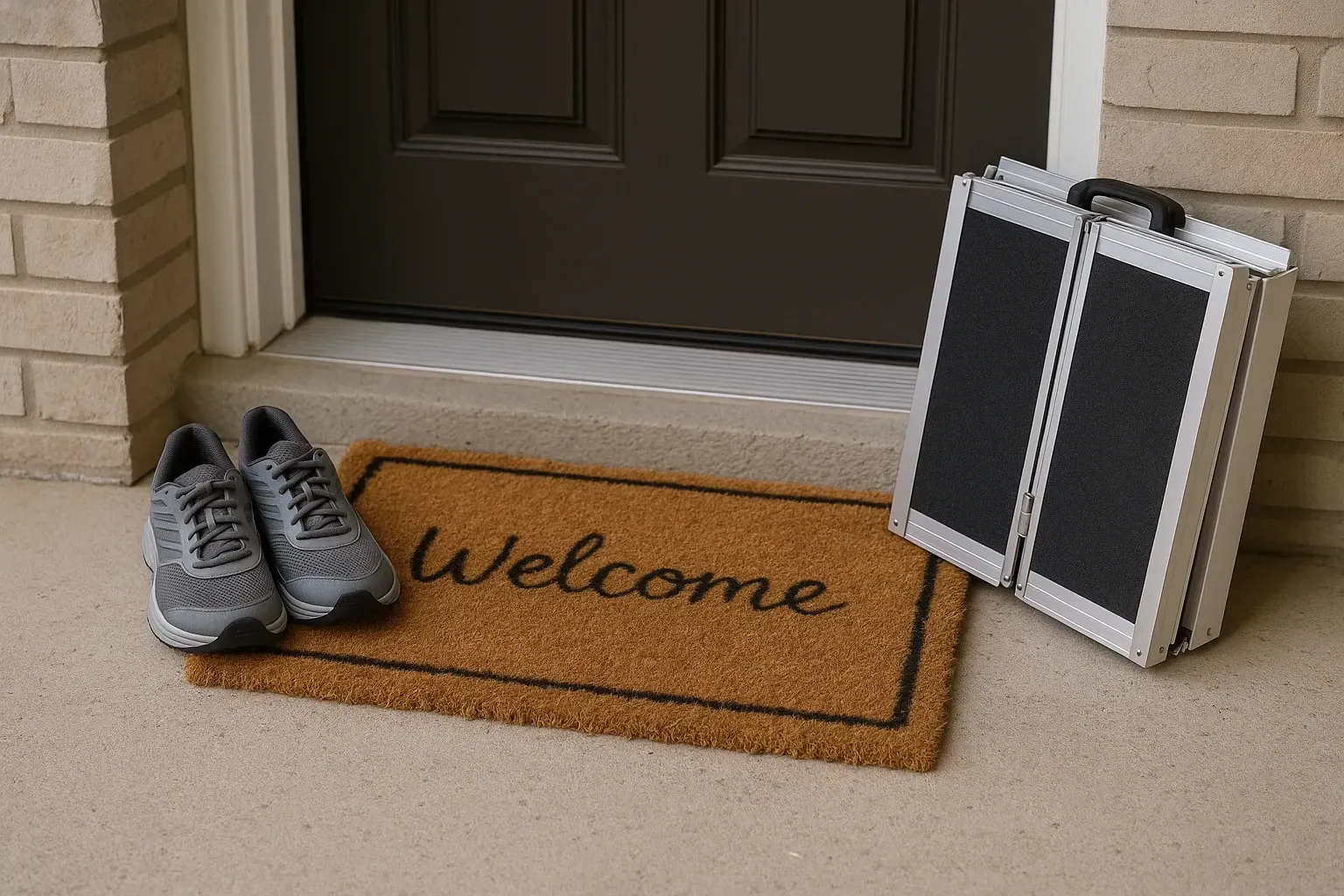
The Critical Transition: From Hospital to Home
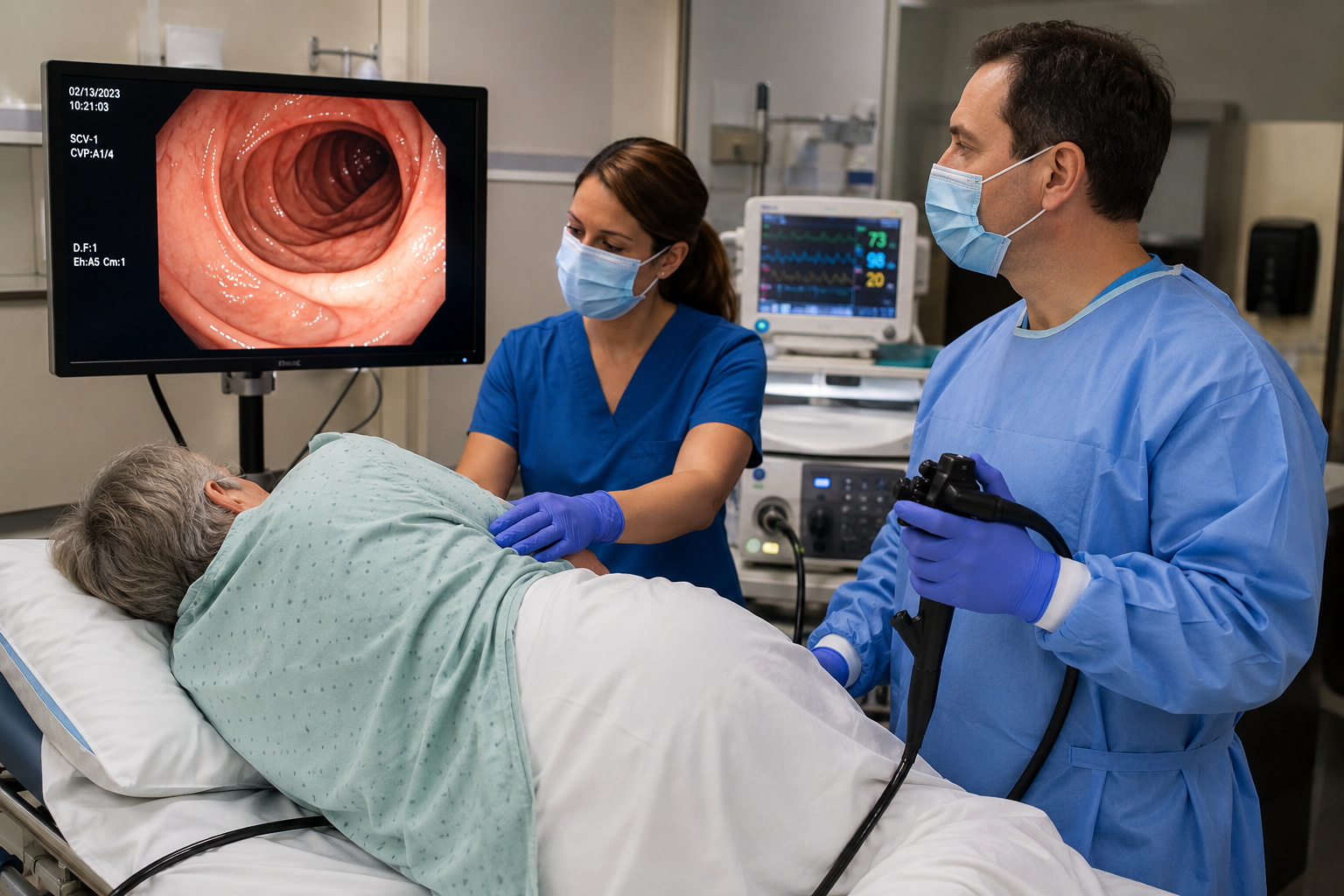
Choosing the Right Surgeon: A Multifaceted Approach

Many patients assume their insurance will cover transportation to and from medical appointments, rehabilitation facilities, or hospital discharges. Unfortunately, coverage limitations, pre-authorization requirements, and policy exclusions often result in unexpected out-of-pocket expenses. Understanding how insurance co

Maintaining Strength and Stability as We Age | Lakeway Mobility
From hospital discharge to home setup, Lakeway Mobility provides wheelchair transport, medical equipment, and RN oversight in Austin, TX—making recovery safe and seamless.