Non-Emergency Medical Transportation vs. Ambulance: What’s the Difference?
Tracie Slaoui • December 28, 2025
Non-emergency medical transport for complex mobility needs
When a loved one needs to get from point A to point B for medical reasons, families often assume there are only two options: call an ambulance or figure it out themselves. In reality, there’s a third option many people don’t learn about until they’re already overwhelmed.
Understanding the difference between Non-Emergency Medical Transportation (NEMT) and an ambulance can save you stress, time, and significant expense, while still keeping your loved one safe and comfortable.
As a Registered Nurse with decades of experience in acute care, case management, and patient transitions, I want to break this down clearly and honestly.
What Is an Ambulance Used For?
An ambulance is designed for medical emergencies.
Ambulance transport is appropriate when a patient:
Is unstable or medically critical
Needs active medical intervention during transport
Requires cardiac monitoring, IV medications, oxygen titration, or life-saving equipment
Is experiencing symptoms like chest pain, severe shortness of breath, uncontrolled bleeding, or altered consciousness
Ambulances are staffed by paramedics or EMTs and equipped to respond to emergencies in real time.
Important to know:
If the transport is not deemed medically necessary by insurance, you may be billed thousands of dollars out of pocket.
What Is Non-Emergency Medical Transportation (NEMT)?
Non-Emergency Medical Transportation is for patients who do not require emergency care, but cannot safely ride in a standard car.
NEMT is ideal for patients who:
Use a wheelchair, walker, or mobility aid
Are weak, post-surgical, or at high fall risk
Are being discharged from the hospital or rehab facility
Need transport to dialysis, chemotherapy, follow-up appointments, or assisted living
Require dignity, patience, and physical assistance rather than emergency intervention
NEMT vehicles are designed for comfort, accessibility, and safety, not crisis response.
Key Differences at a Glance
Ambulance
Emergency response
Advanced medical equipment
Paramedic/EMT care
Very expensive if not medically necessary
Often rushed and stressful for non-critical patients
Non-Emergency Medical Transportation
Planned, scheduled transport
Wheelchair-accessible vehicles
Trained drivers and patient-assist staff
Significantly more affordable
Calm, dignified, and patient-centered
Why Families Often Call an Ambulance When They Don’t Need One
This happens all the time, and it’s not anyone’s fault.
Families are often:
Told “discharge is today” with little notice
Unsure how to move someone safely
Afraid of doing the wrong thing
Exhausted and under pressure
In these moments, an ambulance feels like the safest default. But if no emergency care is required, it’s often not the best or most appropriate option.
Where Non-Emergency Medical Transportation Truly Shines
NEMT fills the gap between emergency care and independence.
It provides:
Safe transfers from bed to wheelchair
Help navigating stairs, elevators, and tight spaces
Time, patience, and clear communication
A calmer experience for patients who are already overwhelmed
For many seniors and recovering patients, this gentler approach makes all the difference.
An RN’s Perspective
From a clinical standpoint, the goal of any transport should be:
Safety
Dignity
Appropriate level of care
More medical equipment does not always mean better care. Sometimes, the best care is not being treated like an emergency when you’re not one.
That’s where non-emergency medical transportation fits beautifully.
How to Decide Which You Need
Ask yourself:
Is my loved one medically unstable?
Do they need active medical treatment during transport?
Could a calm, assisted, wheelchair-accessible vehicle meet their needs?
If the answer to the first two is no, Non-Emergency Medical Transportation is likely the right choice.
If you’re unsure, a reputable NEMT provider can help guide you.
You Don’t Have to Figure This Out Alone
Transitions are hard. Discharges are fast. Families are doing their best.
If you need help deciding what type of transport is appropriate, or if you need same-day assistance, reaching out early can make the process smoother and far less stressful.
At Lakeway Mobility, our approach is rooted in nursing judgment, safety, and compassion. We’re here to support families through moments that feel anything but simple.
Written by
Tracie Slaoui, RN, BSN, CCM
Founder, Lakeway Mobility
Wondering if medical equipment rental in Austin, TX, is covered by Medicare or insurance? Lakeway Mobility explains your options. Call for a free quote.

Need a safe ride home after surgery? Learn why professional post-surgical transportation can be a better choice for patients in Austin, Lakeway and Westlake.
Need outpatient medical transportation services in Austin, TX, after surgery? Lakeway Mobility provides RN-led NEMT for safe discharge. Call today.
Need medical equipment after hospital discharge? Lakeway Mobility provides fast DME delivery, rentals and mobility equipment throughout Austin, Texas.
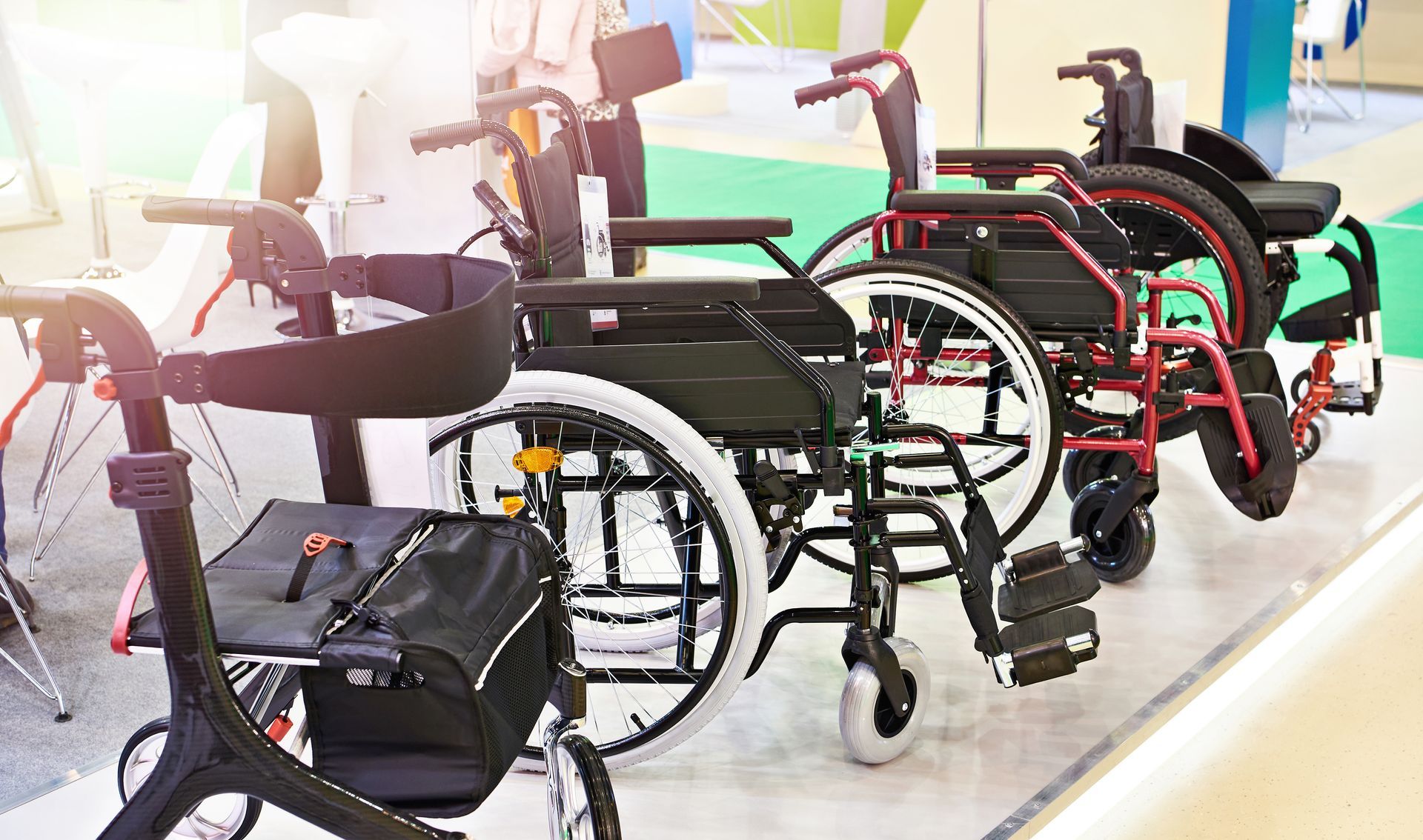
Compare renting vs. buying medical equipment for sale in Austin, TX. Lakeway Mobility offers both options with expert guidance. Call today.

The Critical Transition: From Hospital to Home
Choosing the Right Surgeon: A Multifaceted Approach

Many patients assume their insurance will cover transportation to and from medical appointments, rehabilitation facilities, or hospital discharges. Unfortunately, coverage limitations, pre-authorization requirements, and policy exclusions often result in unexpected out-of-pocket expenses. Understanding how insurance co

Maintaining Strength and Stability as We Age | Lakeway Mobility
From hospital discharge to home setup, Lakeway Mobility provides wheelchair transport, medical equipment, and RN oversight in Austin, TX—making recovery safe and seamless.