Falls and Broken Bones: The Silent Turning Point for Seniors
Tracie Slaoui • January 12, 2026
How everyday surroundings quietly increase fall risk for seniors
Falls are often talked about casually.
“They just tripped.”
“It was a small fall.”
“They’re okay now.”
But in seniors, a fall is rarely just a fall.
The Serious Reality of Falls in Seniors
Falls are often dismissed as simple accidents—"They just tripped." But in older adults, a fall is rarely just a fall. It can be the moment confidence breaks, often before the bone does.
Why Falls Pose a Greater Danger
As we age, bones become more fragile, reflexes slow, and balance changes. A seemingly minor stumble can result in:
A hip, wrist, or shoulder fracture
A serious head injury
Weeks or months of immobility
Crucially, many seniors never return to their previous level of independence after a serious fall. This is often due less to physical limitations and more to the crippling effects of fear.
The Fear-Weakness Cycle
Once a fall occurs, the body remembers. Fear moves in, causing seniors to walk more cautiously, avoid moving, and decline activities they once enjoyed. This stillness leads to muscle loss and weaker balance, ironically creating a higher risk of falling again.
Fear creates stillness.
Stillness creates weakness.
Weakness creates more falls.
A fracture does not just require physical healing; it often comes with a loss of confidence, emotional withdrawal, and increased reliance on others. It fractures the trust in one's own body.
Prevention: Beyond Grab Bars
While proper footwear and assistive devices like grab bars and walkers are essential, true fall prevention is an active strategy centered on mobility and confidence.
Effective Fall Prevention Includes:
Strength & Movement: Maintaining strength through regular, supported movement and walking in real environments (not just hallways).
Balance Practice: Practicing balance in safe, assisted ways.
Confidence as a Safety Tool: Creating a supportive environment where seniors feel stable, not restricted. A calm escort, a steady arm, and a pace that respects dignity reduce risk far more than isolation.
Keeping someone confined "for safety" often leads to muscle atrophy and increased fear, which does the opposite of protecting them.
The Goal: A Life That Still Moves
We cannot eliminate all risk from aging, but we can prevent many falls by:
Encouraging regular, supported movement.
Making outings safe instead of avoiding them.
Treating mobility as a form of care, not an inconvenience.
Addressing fear before it leads to immobility.
The goal is not zero risk. The goal is a life that still moves. Falls are a leading reason seniors lose independence, but with the right support, strength is built by moving safely, together.
It can be the moment where confidence breaks before the bone does.

Need a safe ride home after surgery? Learn why professional post-surgical transportation can be a better choice for patients in Austin, Lakeway and Westlake.
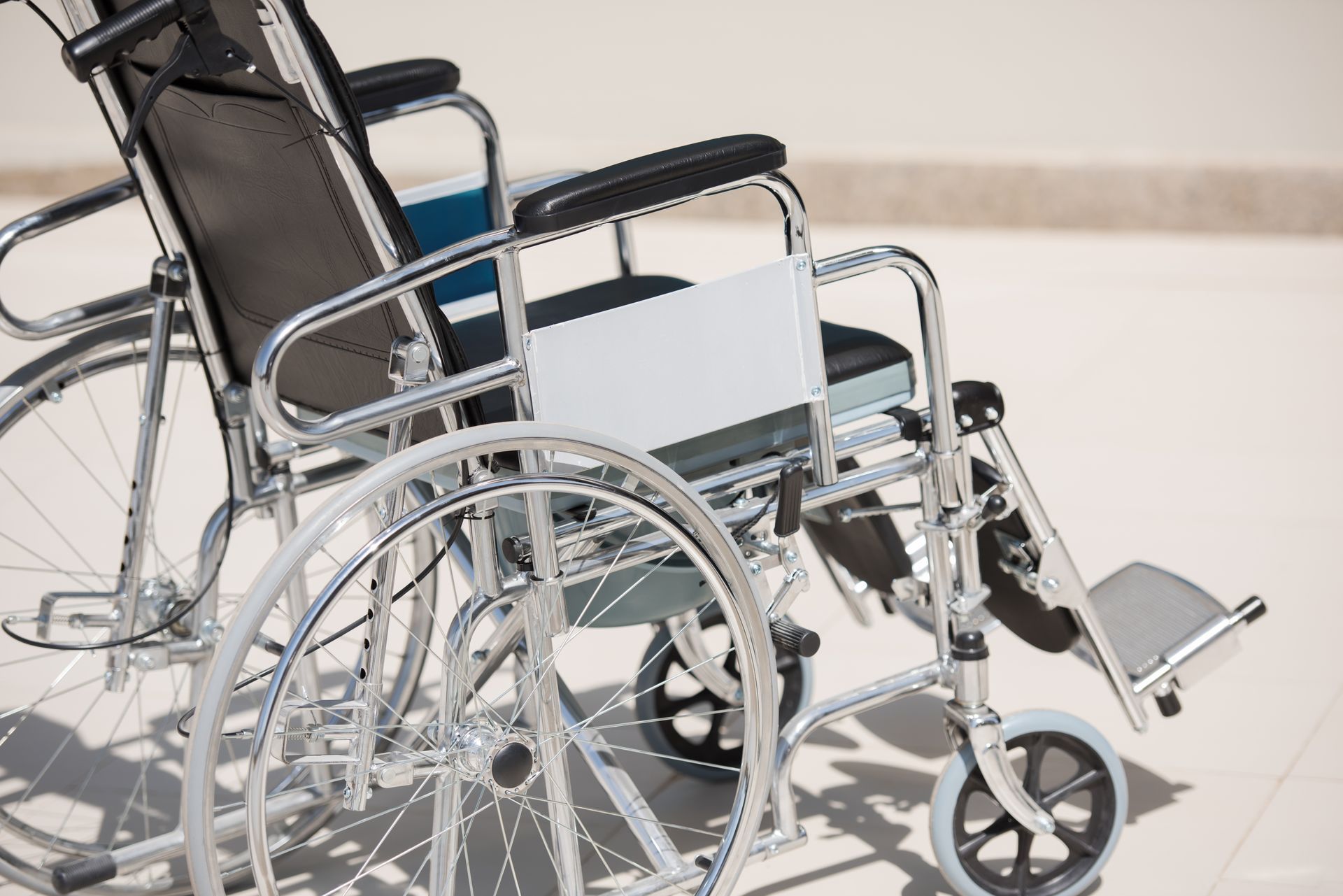
Need outpatient medical transportation services in Austin, TX, after surgery? Lakeway Mobility provides RN-led NEMT for safe discharge. Call today.
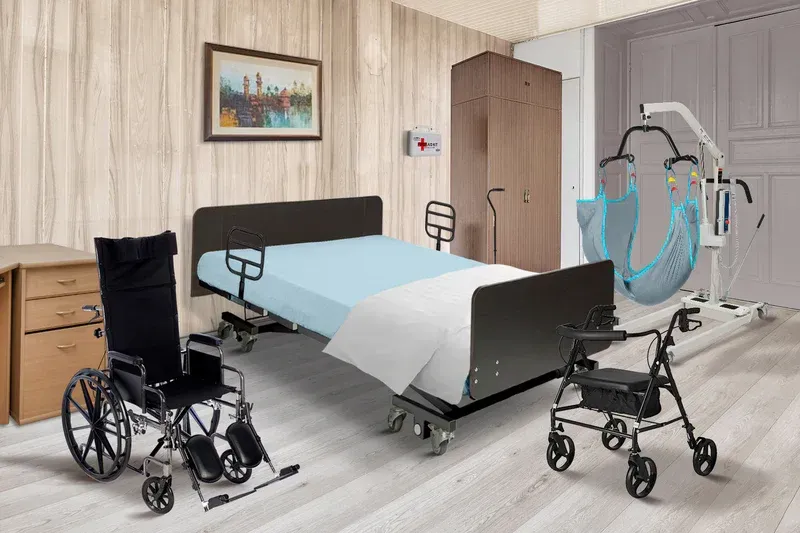
Need medical equipment after hospital discharge? Lakeway Mobility provides fast DME delivery, rentals and mobility equipment throughout Austin, Texas.
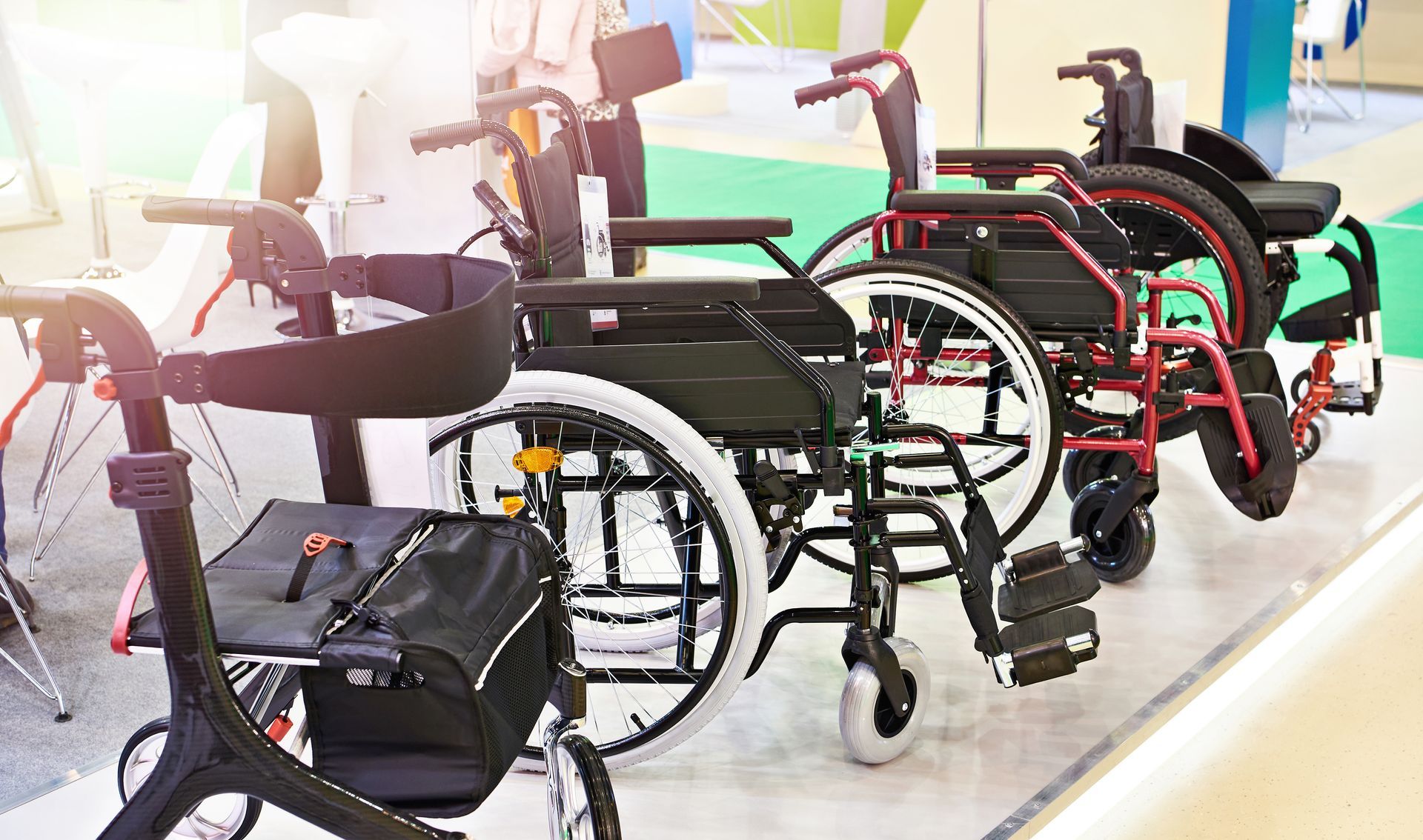
Compare renting vs. buying medical equipment for sale in Austin, TX. Lakeway Mobility offers both options with expert guidance. Call today.
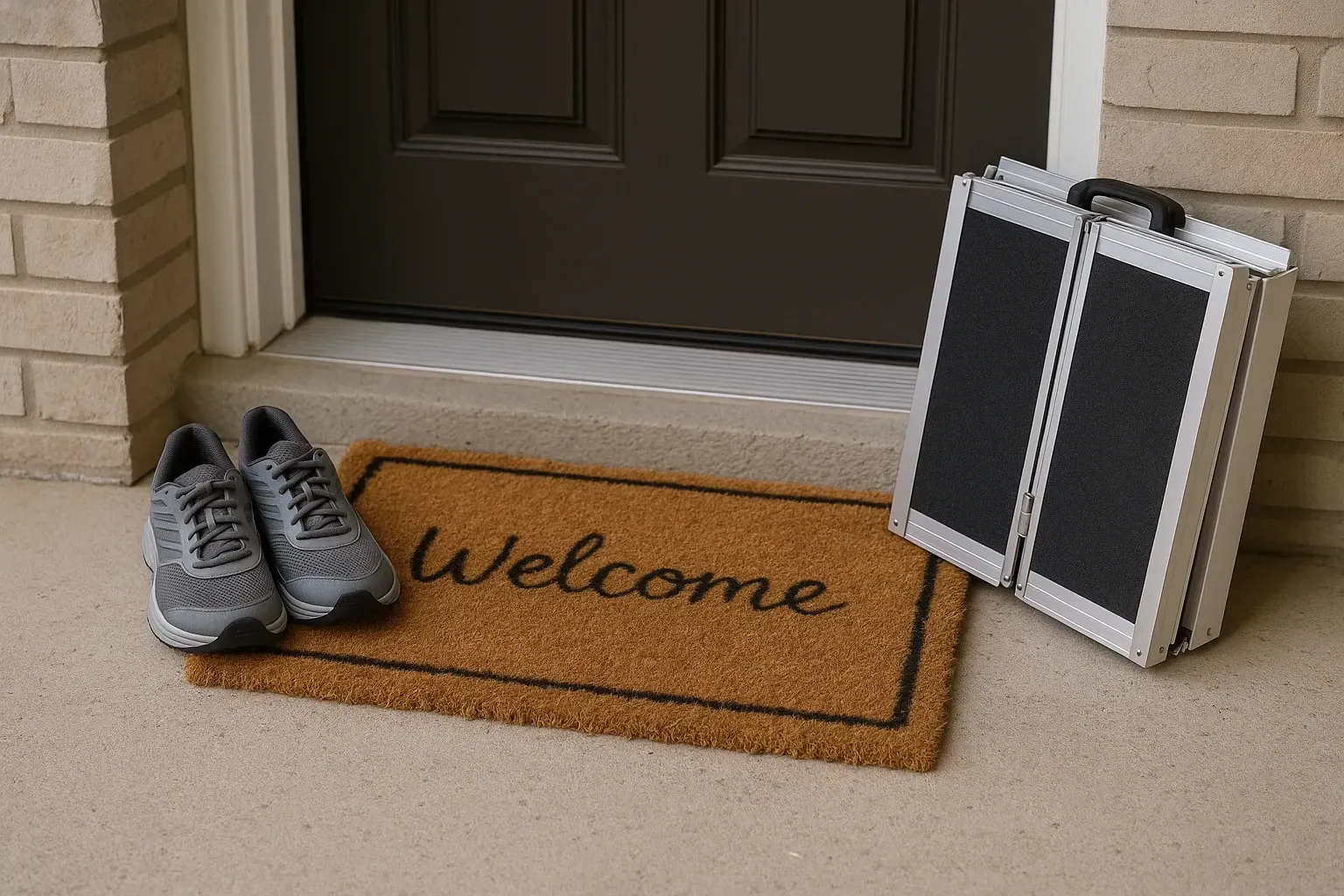
The Critical Transition: From Hospital to Home
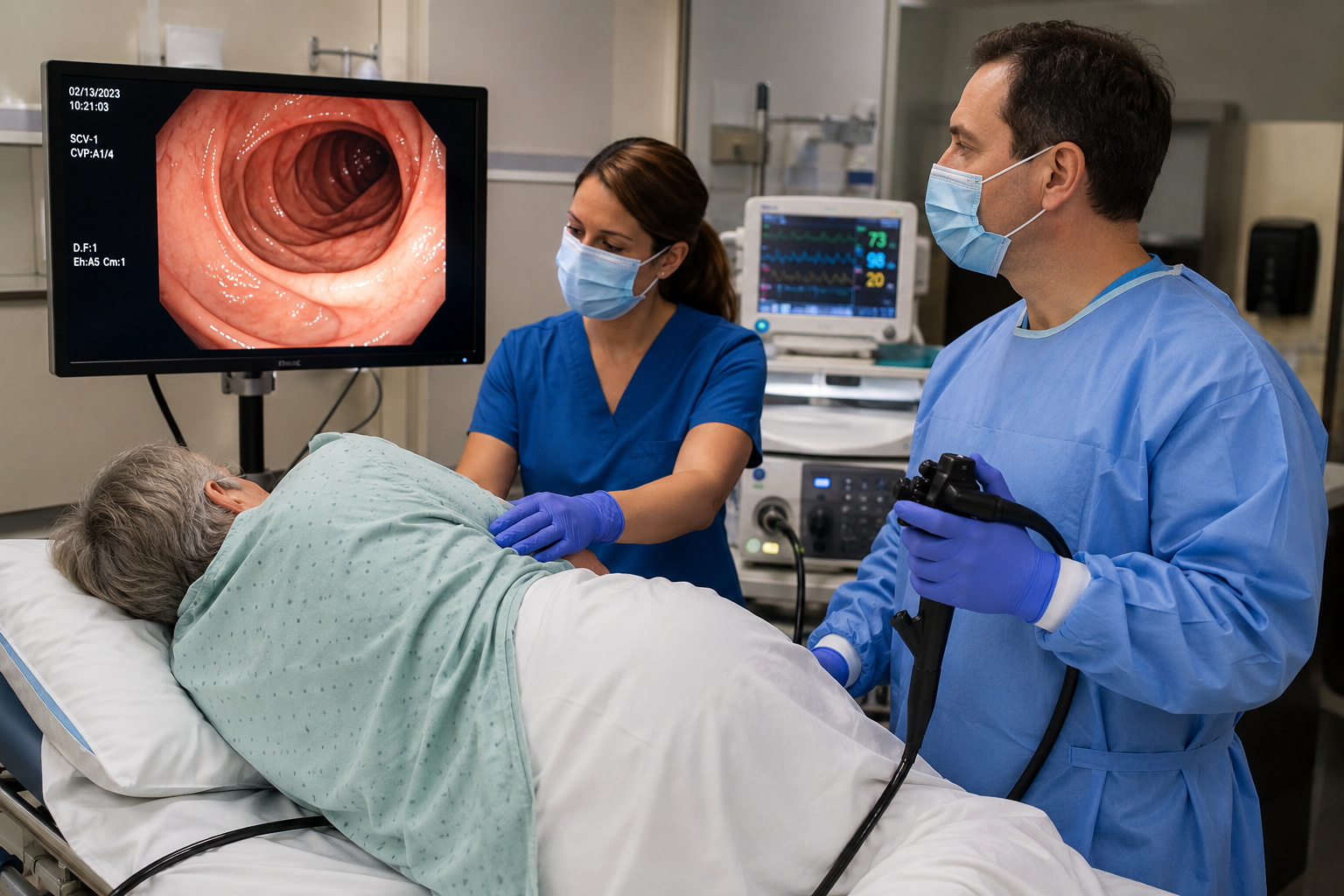
Choosing the Right Surgeon: A Multifaceted Approach
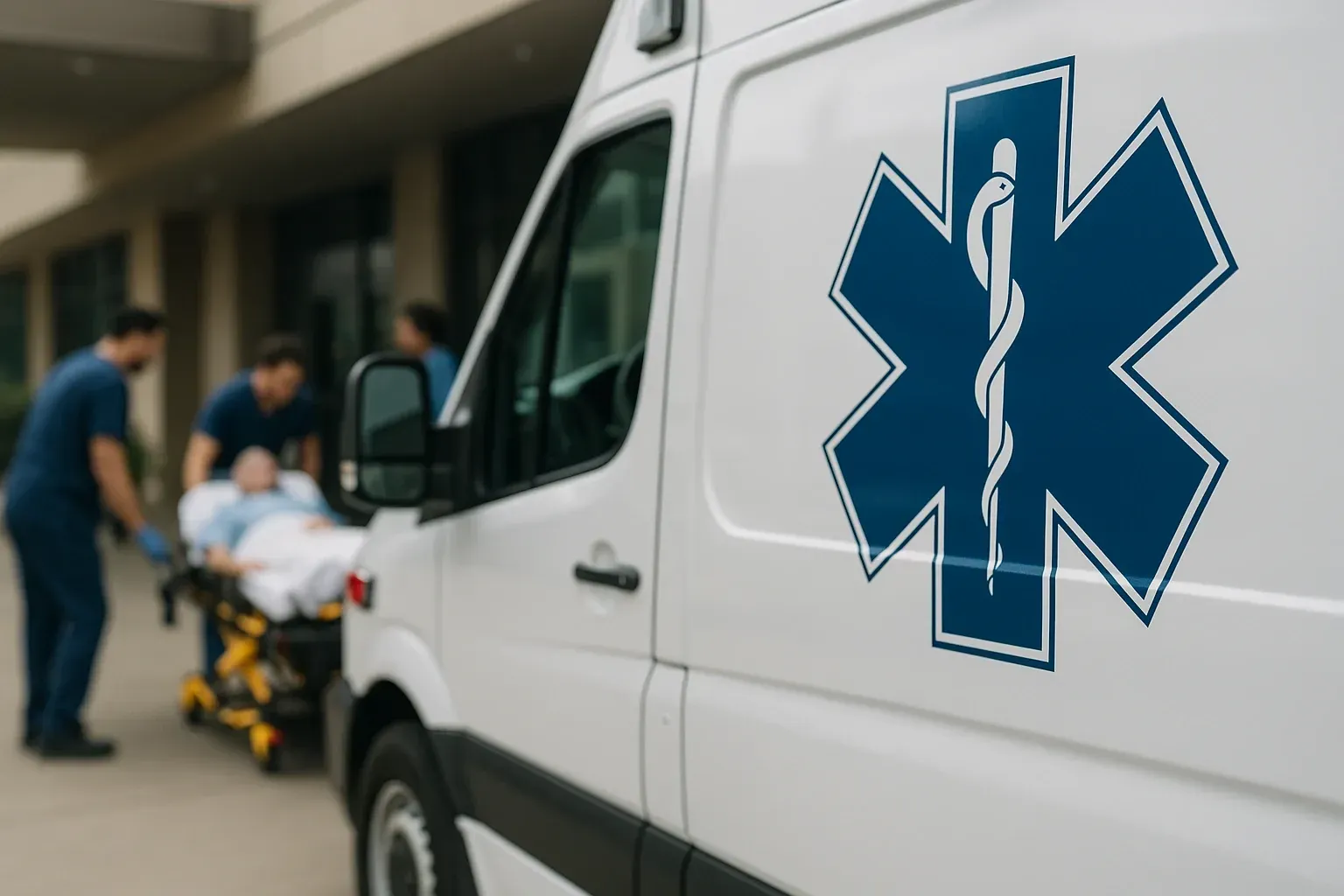
Many patients assume their insurance will cover transportation to and from medical appointments, rehabilitation facilities, or hospital discharges. Unfortunately, coverage limitations, pre-authorization requirements, and policy exclusions often result in unexpected out-of-pocket expenses. Understanding how insurance co

Maintaining Strength and Stability as We Age | Lakeway Mobility
From hospital discharge to home setup, Lakeway Mobility provides wheelchair transport, medical equipment, and RN oversight in Austin, TX—making recovery safe and seamless.
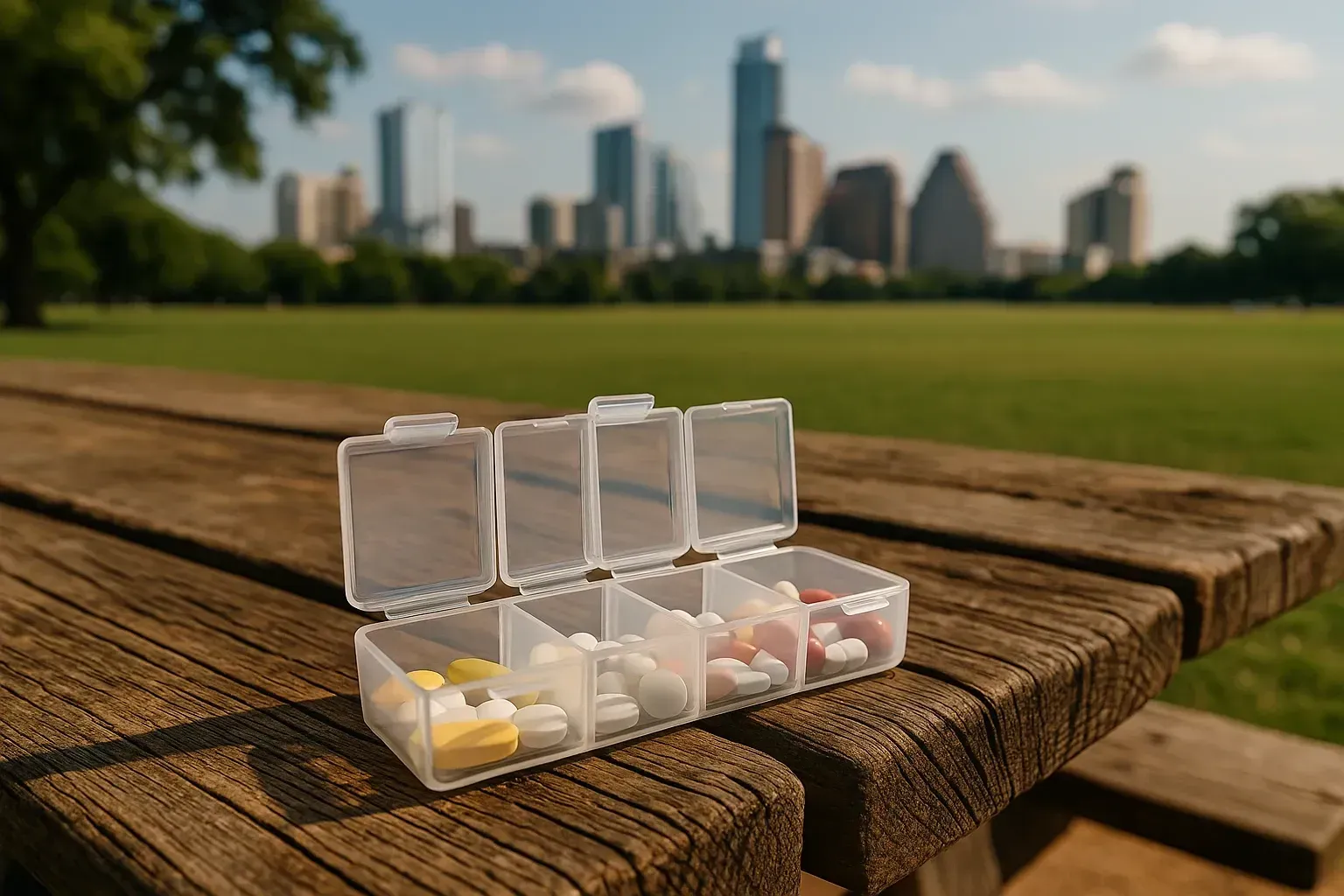
Avoid the 3 biggest mistakes families make after a medical event in Austin. Learn RN-led tips for safe recovery, mobility support, and discharge planning.