Weight Loss, Medication Adjustments, and Why Following Up With Your Doctor Matters
Tracie Slaoui • January 15, 2026
Why weight loss can change medication needs — especially for older adults
Weight loss can be a positive step toward better health. Many people notice improved energy, easier movement, and better lab numbers as the scale goes down. But there’s an important part of the conversation that often gets missed:
As weight changes, medications may need to change too.
As a nurse, I’ve seen situations where people feel “off” not because something new is wrong — but because their medication doses were never adjusted after weight loss. This is especially important for older adults.
Why Weight Loss Can Change How Medications Work
Medications are absorbed, distributed, and cleared by the body based on several factors — including body weight, muscle mass, and organ function. When weight decreases, especially over a short period of time, the body may respond differently to the same dose it tolerated before.
This can lead to:
Dizziness or lightheadedness
Low blood pressure
Fatigue or weakness
Confusion or brain fog
Increased risk of falls
Stronger side effects than expected
In seniors, these effects can show up quickly and may be mistaken for “just getting older” when in reality the dose is simply too high for the current body weight.
Why Seniors Need Extra Caution
As we age, the liver and kidneys process medications more slowly, and muscle mass naturally decreases. When weight loss is added to that equation, medications can become more concentrated in the body.
This means a dose that was appropriate months ago may now be too much.
That’s why medication reviews are not optional for seniors — they’re a safety measure.
The Importance of Following Up With Your Doctor
If you or a loved one is losing weight — whether through lifestyle changes or weight-loss medications — it’s important to schedule follow-up visits with your primary care provider.
At these appointments:
Bring a complete list of all medications and supplements
Review current dosages
Discuss any new symptoms like dizziness, fatigue, or balance changes
Ask if labs are needed to reassess medication levels
Medication adjustments should never be guessed at or done alone. These conversations protect your progress and your safety.
Transportation Shouldn’t Stop Good Care
One of the most common barriers I see is simple — getting to the appointment.
If transportation is a challenge, Lakeway Mobility is here to help. We provide safe, reliable rides to medical appointments so seniors and families don’t have to delay care or skip important follow-ups.
Good healthcare only works if you can get there.
Nurse Tracie’s Takeaway
Weight loss can be healthy and empowering — but it doesn’t happen in isolation. Medications, mobility, and safety all need to be reassessed along the way, especially for older adults.
Regular doctor visits and safe transportation help ensure weight loss leads to better health — not unintended complications.
💙 Nurse Tracie
Registered Nurse | Senior Care Advocate

Need a safe ride home after surgery? Learn why professional post-surgical transportation can be a better choice for patients in Austin, Lakeway and Westlake.
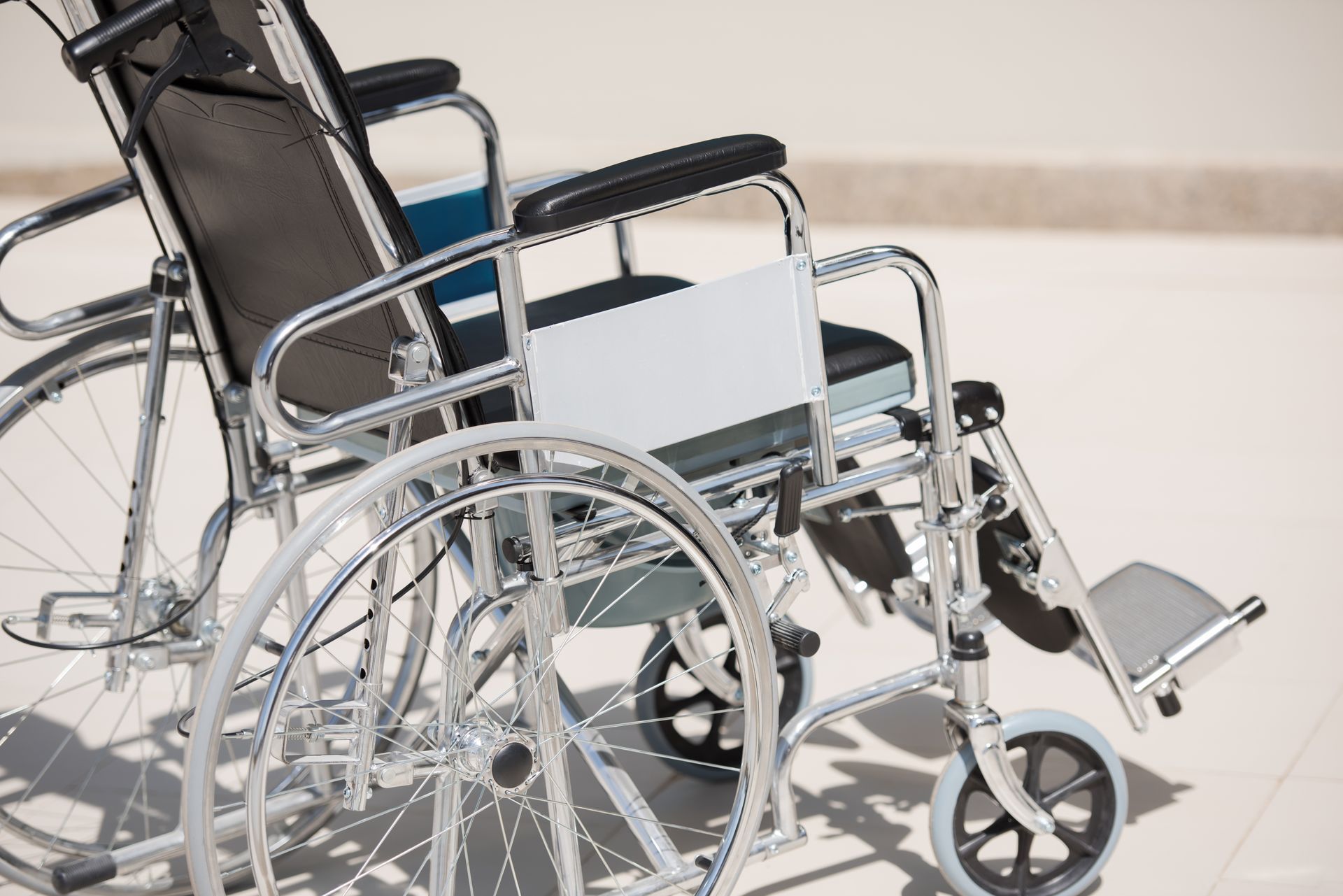
Need outpatient medical transportation services in Austin, TX, after surgery? Lakeway Mobility provides RN-led NEMT for safe discharge. Call today.

Need medical equipment after hospital discharge? Lakeway Mobility provides fast DME delivery, rentals and mobility equipment throughout Austin, Texas.
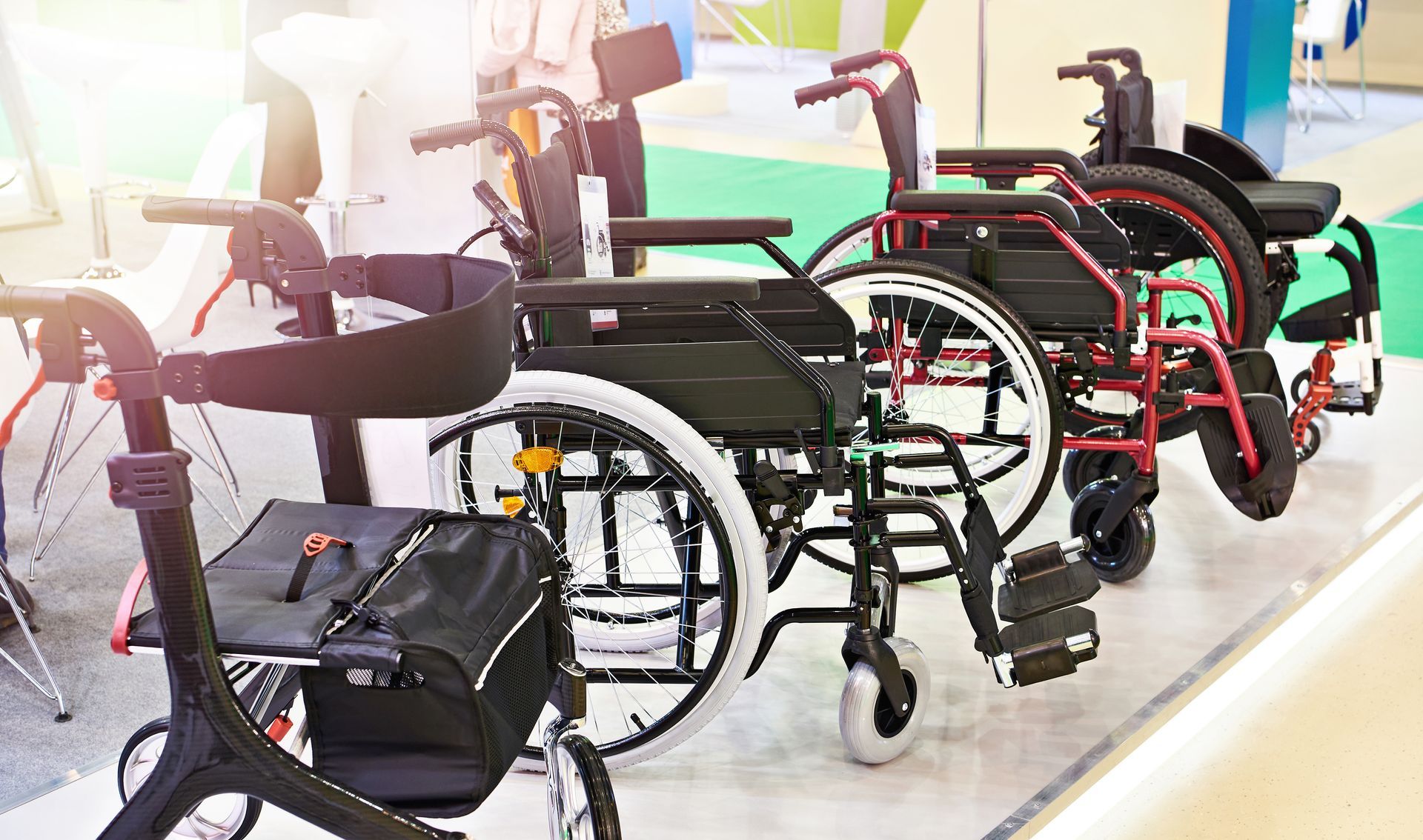
Compare renting vs. buying medical equipment for sale in Austin, TX. Lakeway Mobility offers both options with expert guidance. Call today.

The Critical Transition: From Hospital to Home
Choosing the Right Surgeon: A Multifaceted Approach

Many patients assume their insurance will cover transportation to and from medical appointments, rehabilitation facilities, or hospital discharges. Unfortunately, coverage limitations, pre-authorization requirements, and policy exclusions often result in unexpected out-of-pocket expenses. Understanding how insurance co

Maintaining Strength and Stability as We Age | Lakeway Mobility
From hospital discharge to home setup, Lakeway Mobility provides wheelchair transport, medical equipment, and RN oversight in Austin, TX—making recovery safe and seamless.

Avoid the 3 biggest mistakes families make after a medical event in Austin. Learn RN-led tips for safe recovery, mobility support, and discharge planning.